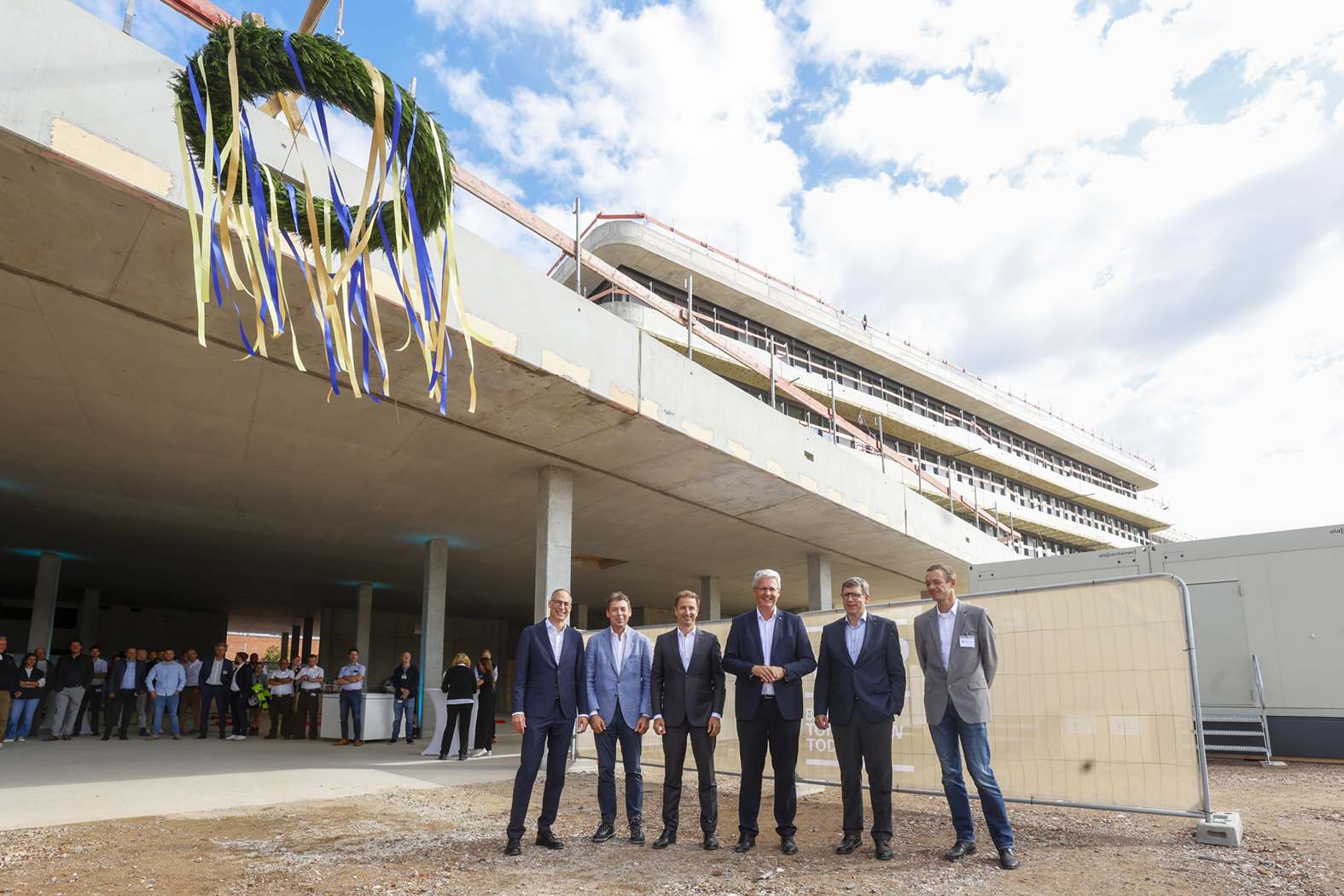
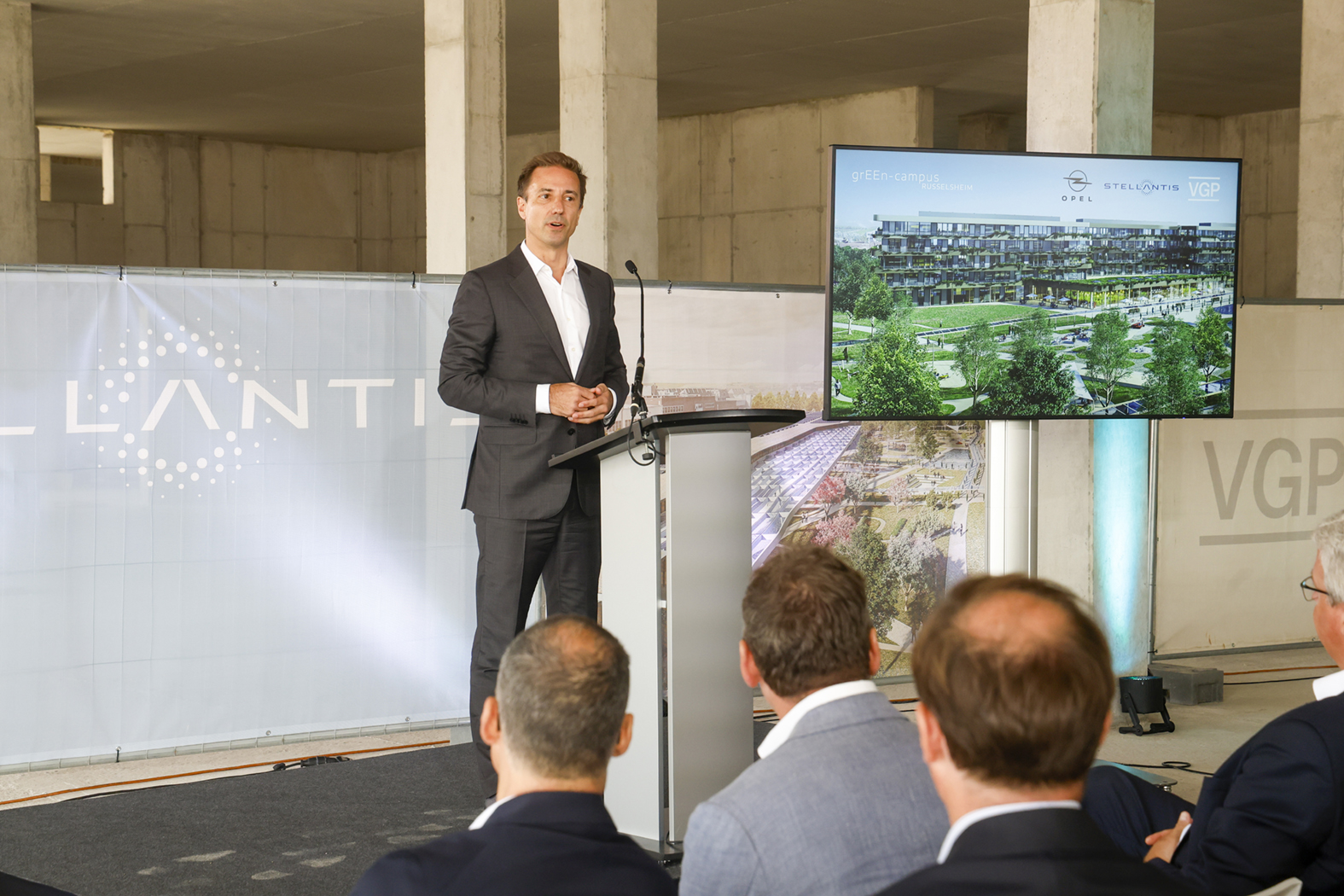
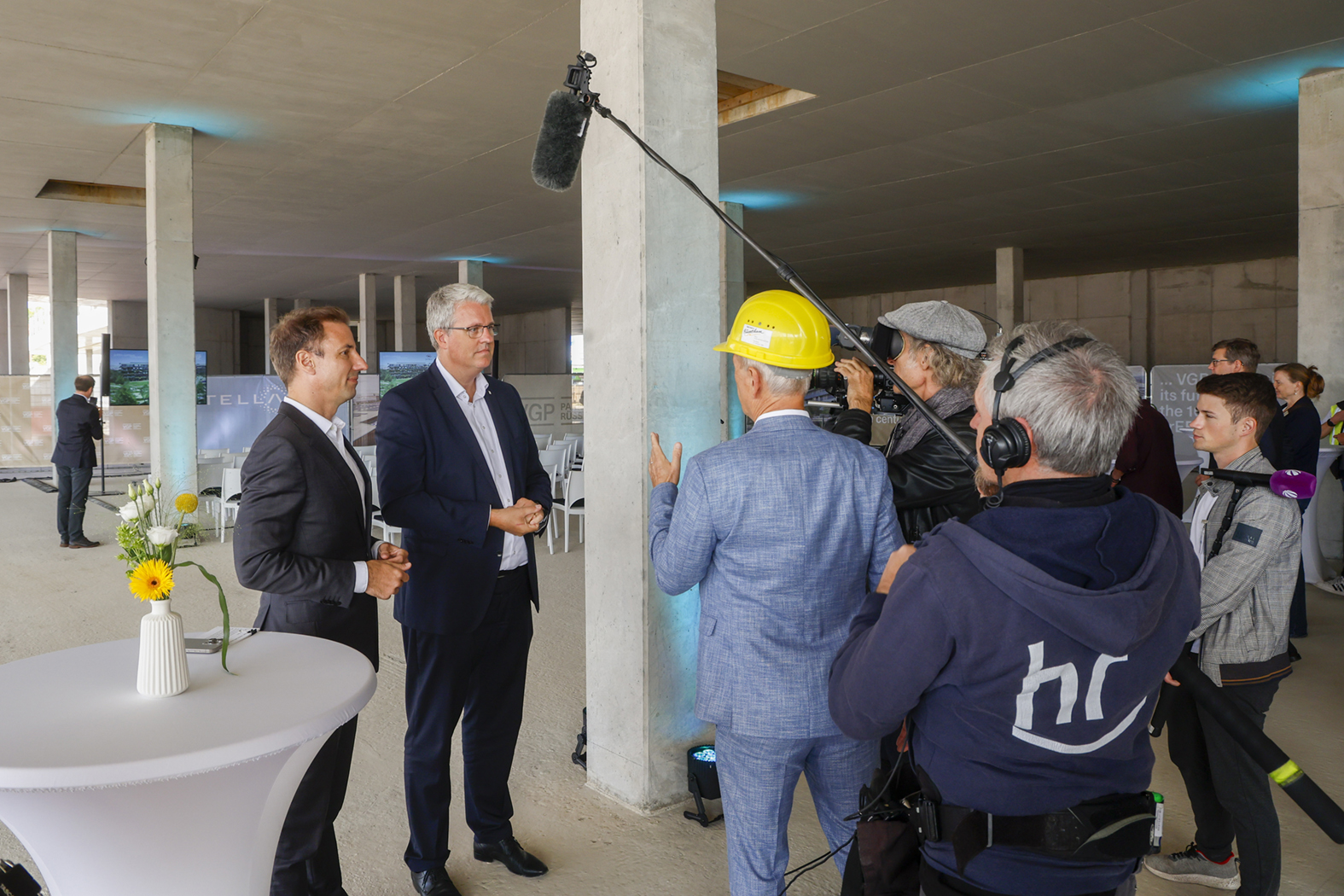
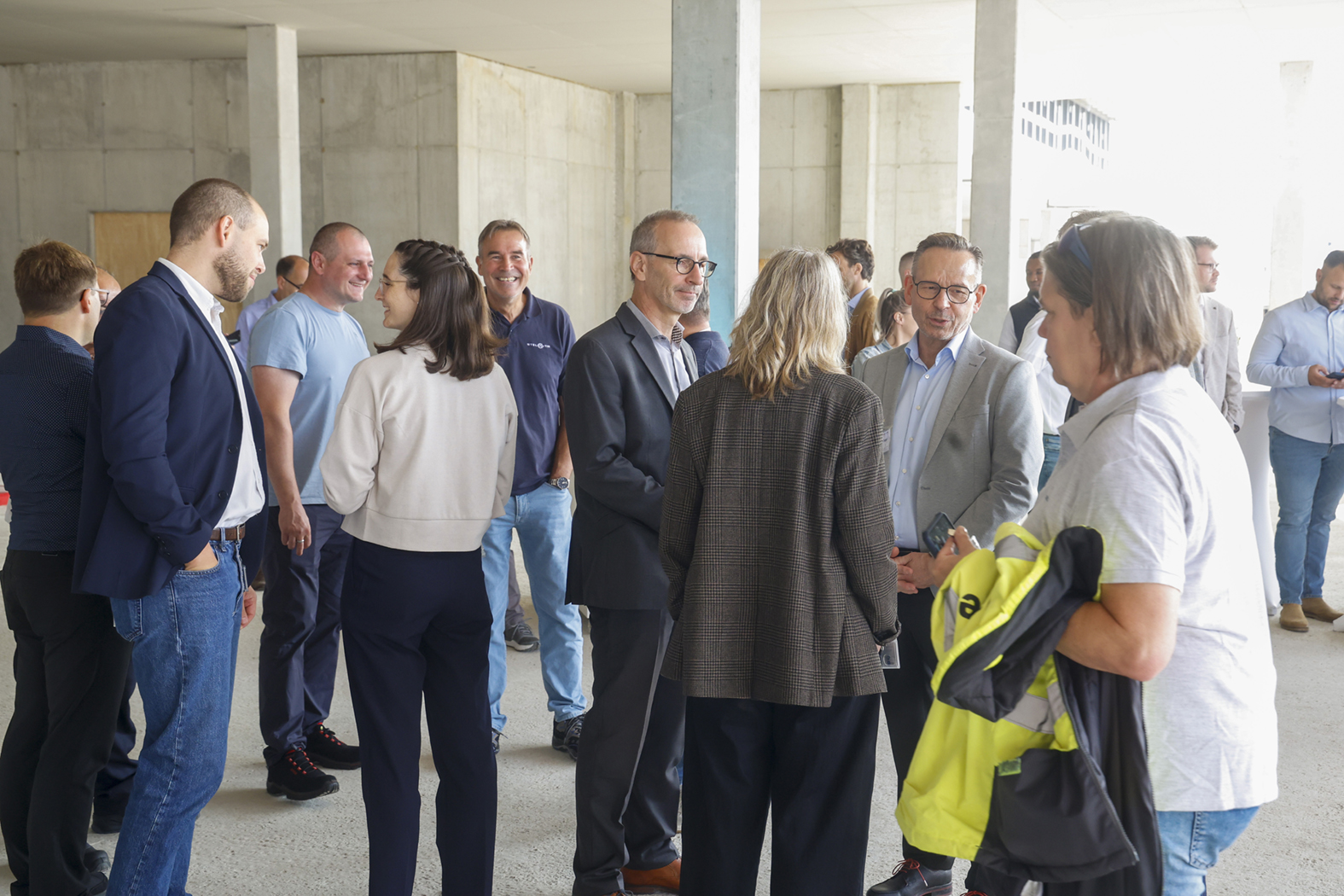
Plans become rooms. Where teams will work together in the future, ideas will emerge and new models developed, the grEEn-campus will take shape. A good year and a half ago, Opel employees were still exploring the campus with VR glasses. Now the shell of the central parts of the building is largely complete. The topping-out ceremony marks the next step and the interior work will now gradually begin.
The grEEn-campus will be much more than an office address. On 114,000 square metres – around 16 football fields – research, development and design will sit alongside Opel’s global headquarters and Stellantis‘ German headquarters. A parking garage is also part of the site. From the first draft to the technical development of the Opel models of tomorrow, many things come together in one place. “We are creating a modern and sustainable working environment here that focuses on the needs of our employees and offers space for collaboration, creativity and innovation,” says Opel CEO Florian Huettl.
“We are creating a modern and sustainable working environment.”
– Florian Huettl, Opel CEO –
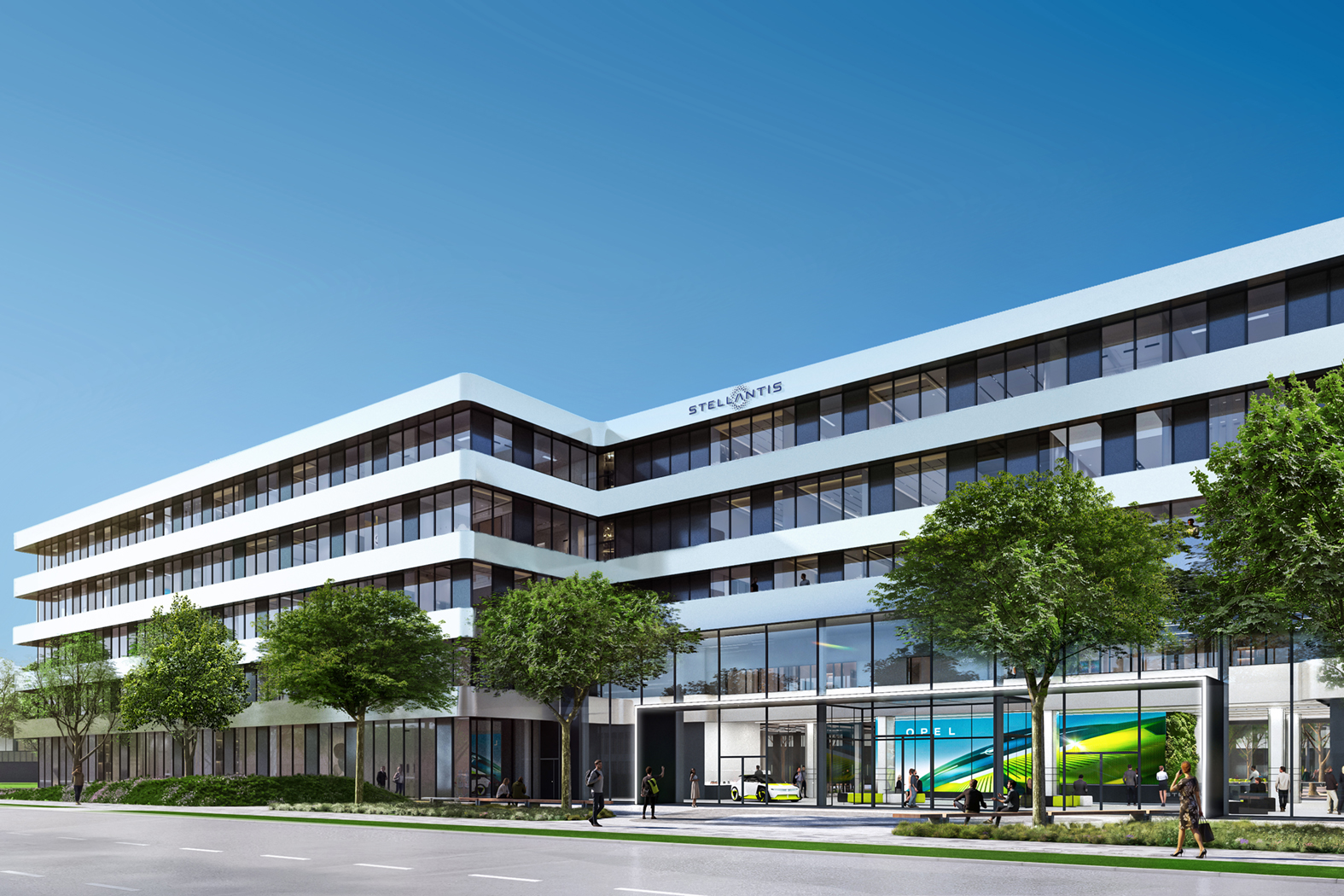
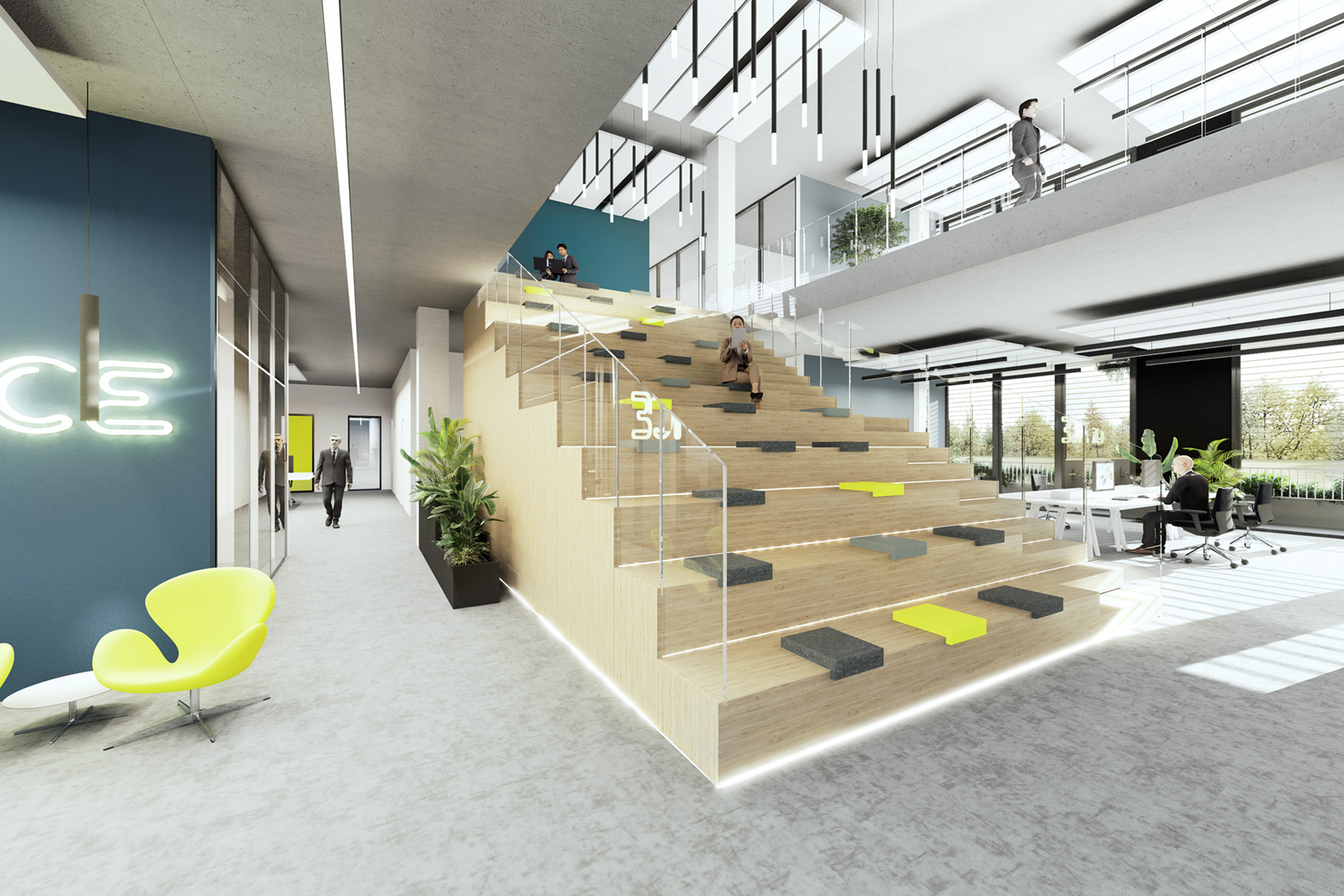
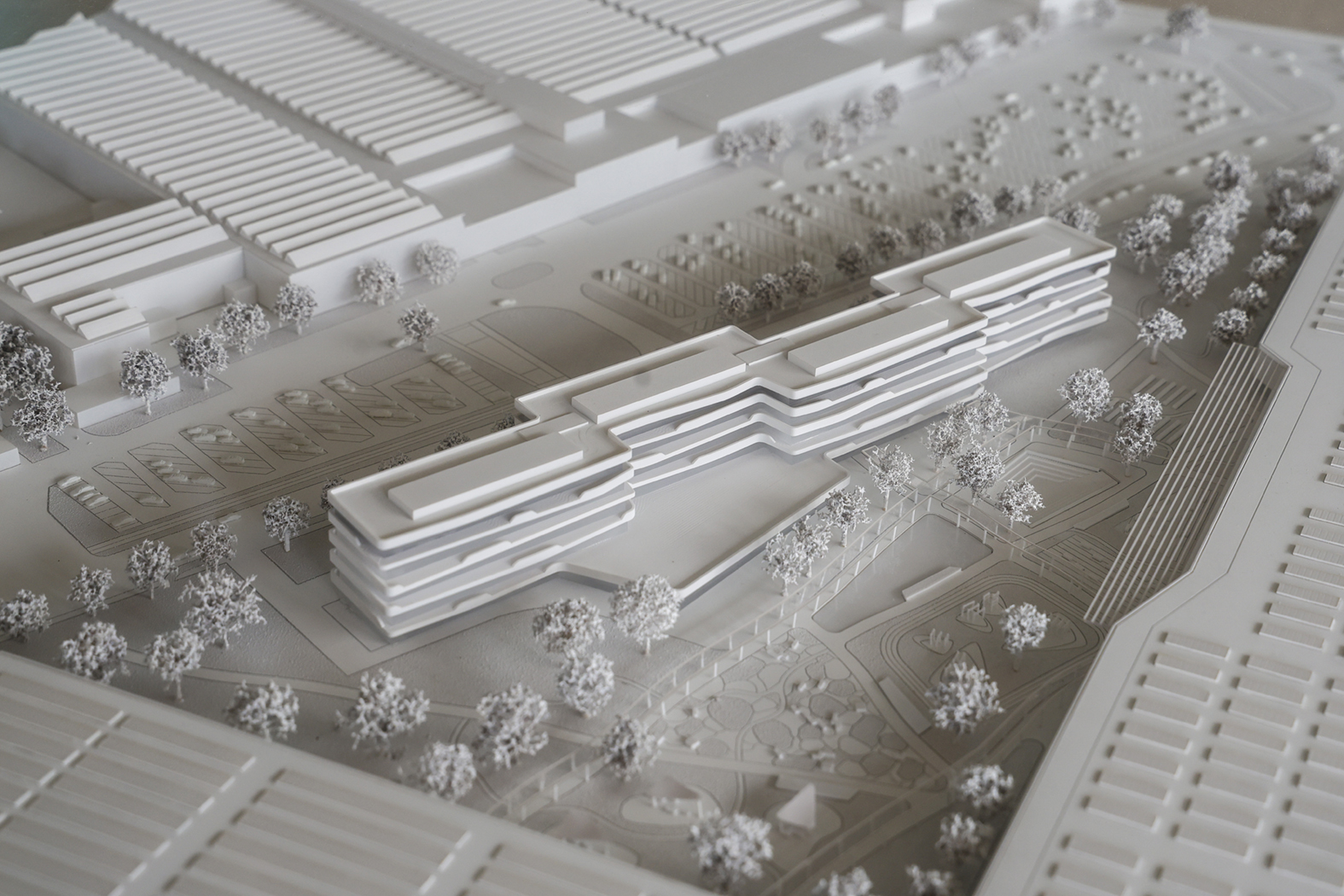
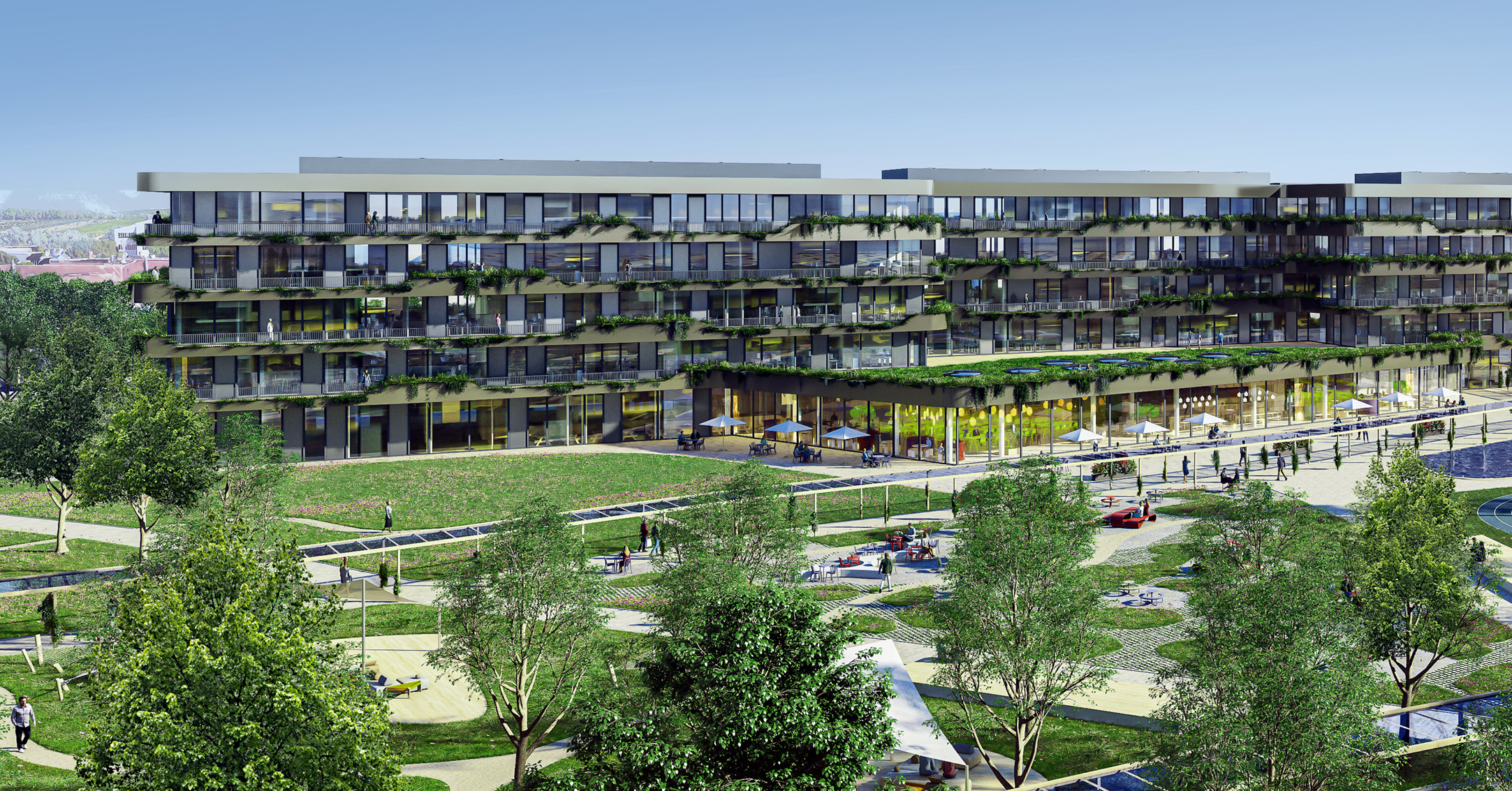
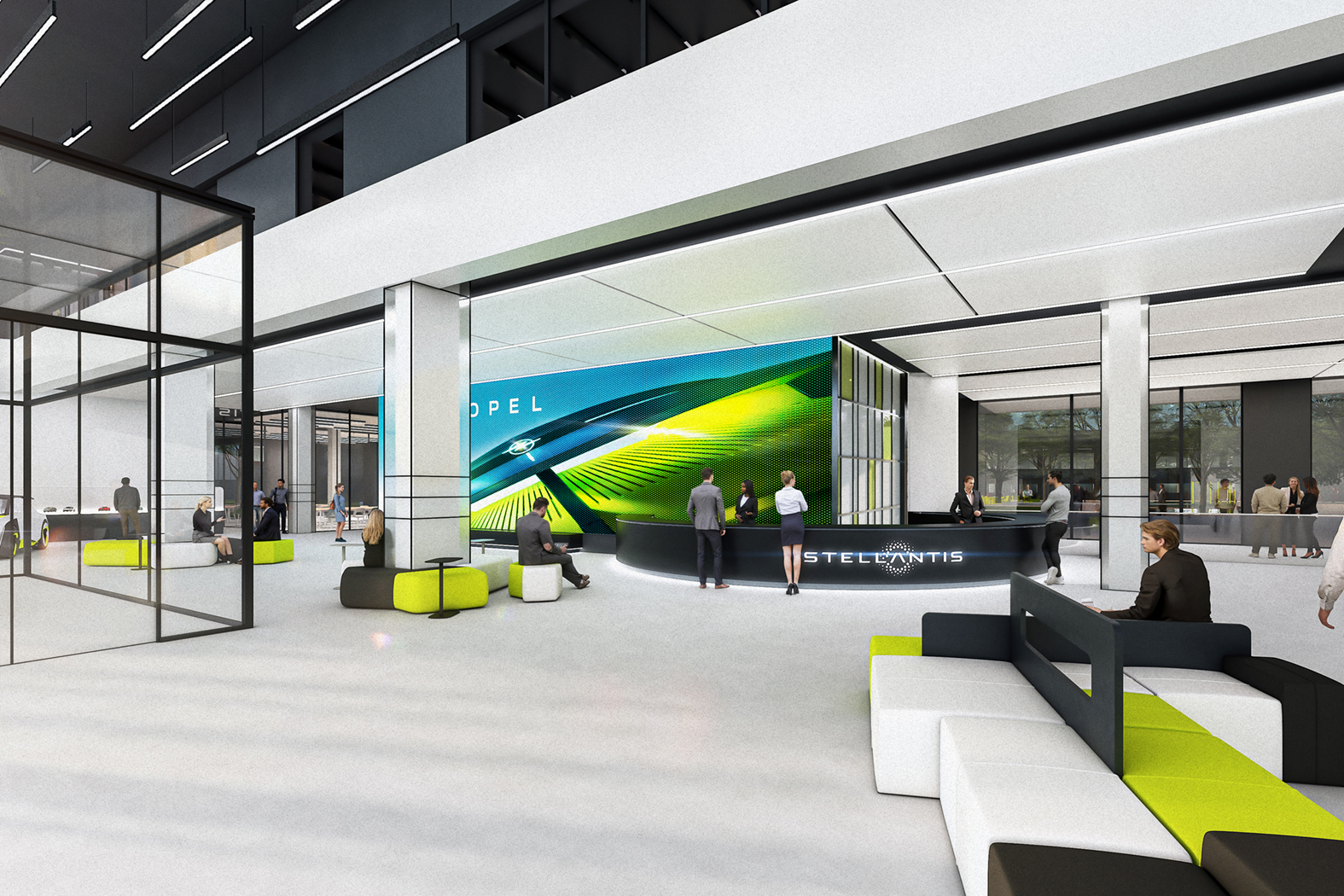
The visualisations show how the site will change: a green campus with recreation areas and short distances will be created between the buildings. Open, flexibly usable workspaces will facilitate exchange. The roofs will also be green. There, green areas meet photovoltaic systems. They supply electricity, promote biodiversity and microclimates and help with cooling. The aim is to achieve DGNB certification in gold for the entire campus; CO₂ footprint and wellbeing living also play a role in the construction and materials.
The most unusual part of the energy concept, however, is located where you can’t see it: under the multi-storey car park. A near-surface geothermal system is being built there, which is to be one of the largest of its kind in Germany. The ground serves as a heat storage system. Together with heat pumps, geothermal energy is used to heat the buildings in winter and cool them in summer. A large part of the necessary electricity is supplied by the photovoltaic systems on the campus.
“We are sustainably developing a traditional industrial location.”
– Jan Van Geet, CEO VGP –
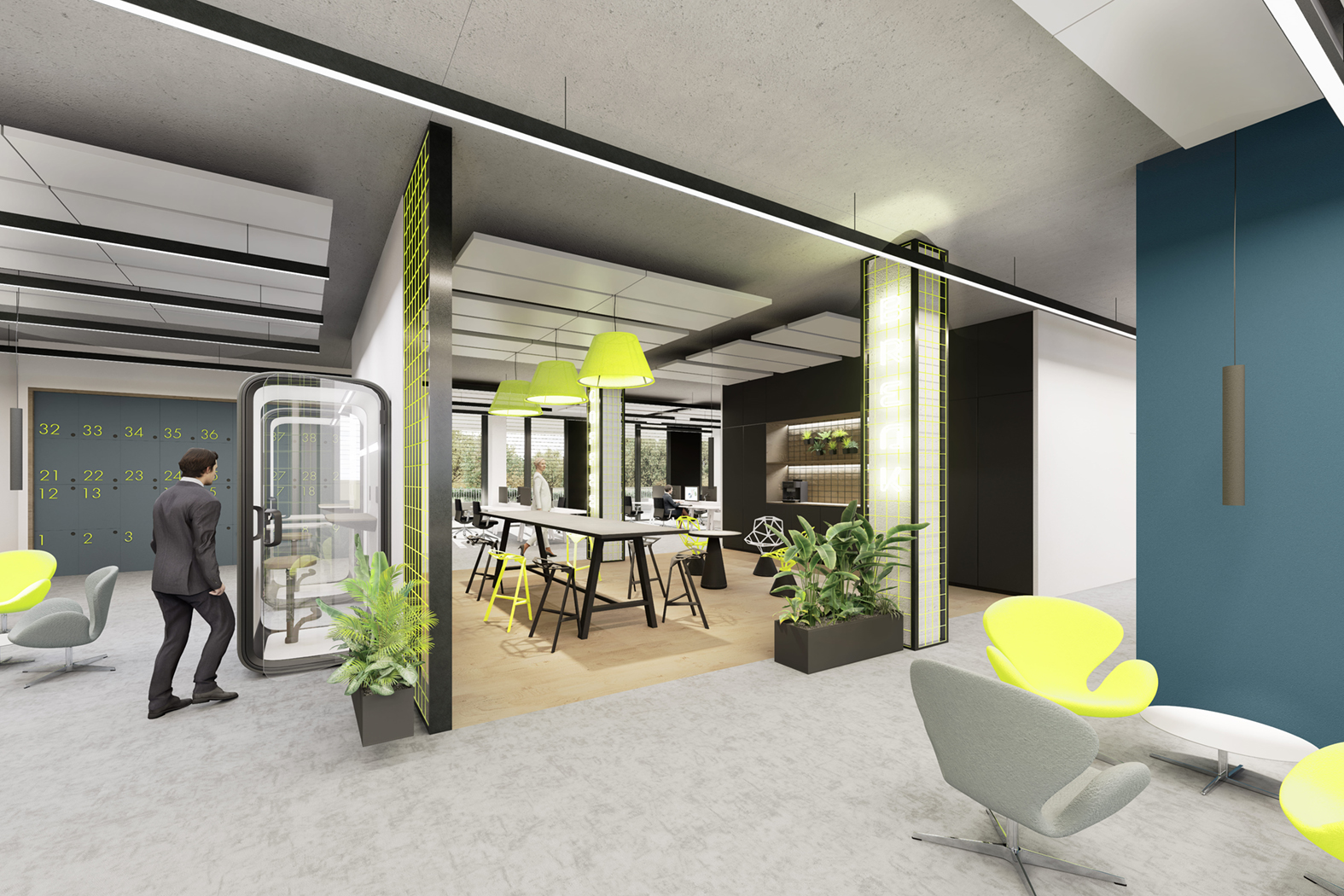
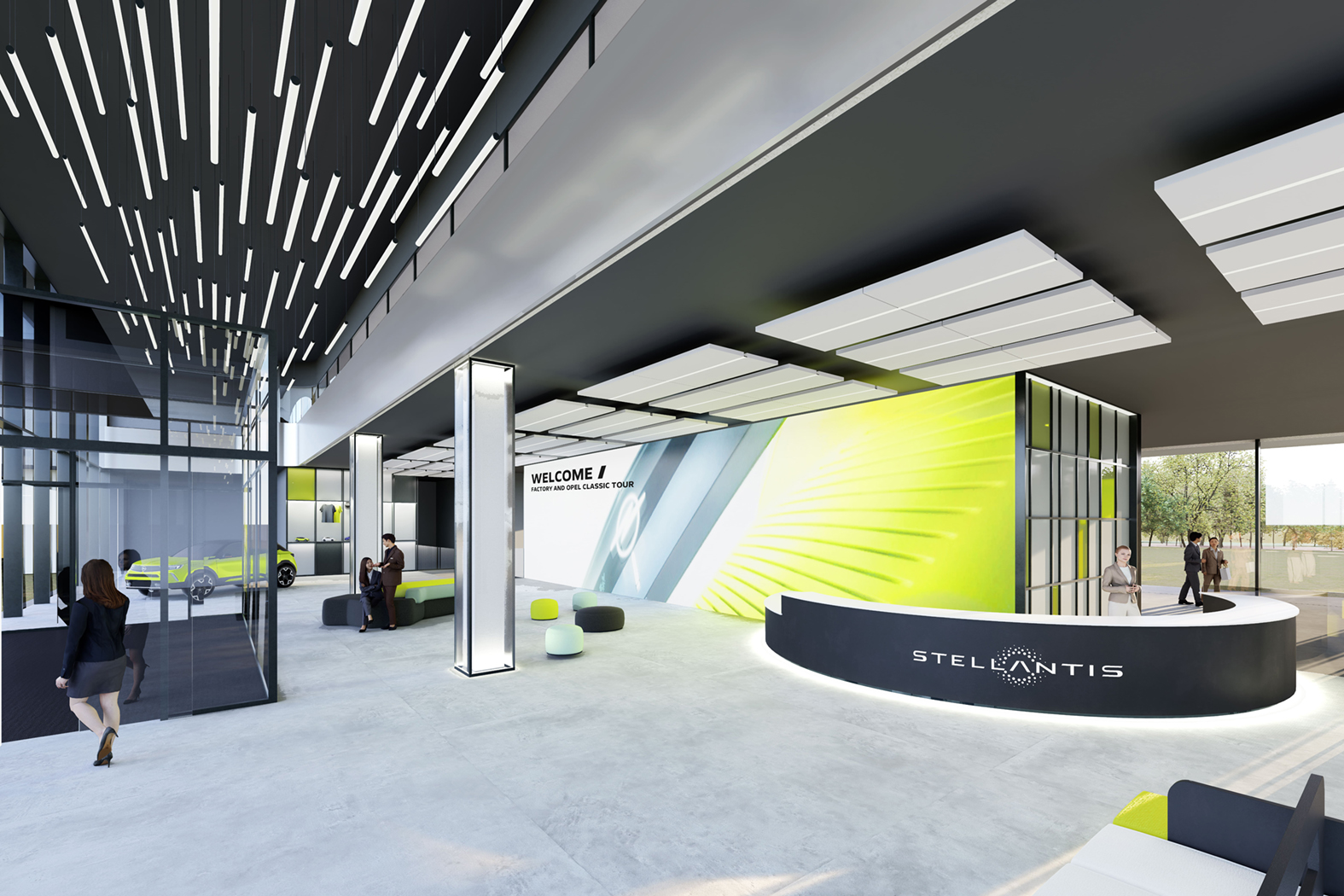
In this way, the systems interlock: the sun supplies electricity, the ground stores heat, and green roofs support cooling and microclimate. Sustainability thus becomes part of the infrastructure. For VGP boss Jan Van Geet, the project is therefore more than just a new building: “With the grEEn-campus, we are sustainably developing a traditional industrial site and transforming it into a new, future-proof use.”
The new campus is being built at a location with a long Opel history. And this should remain visible: Historic bricks from former Opel buildings will be integrated into the design. In this way, a new working environment will meet more than 160 years of Rüsselsheim’s industrial history. There is still a lot to do before the first desks move in. According to the project partners, the project is on schedule. Construction work is scheduled to be completed in the second half of 2027.
September 2026