
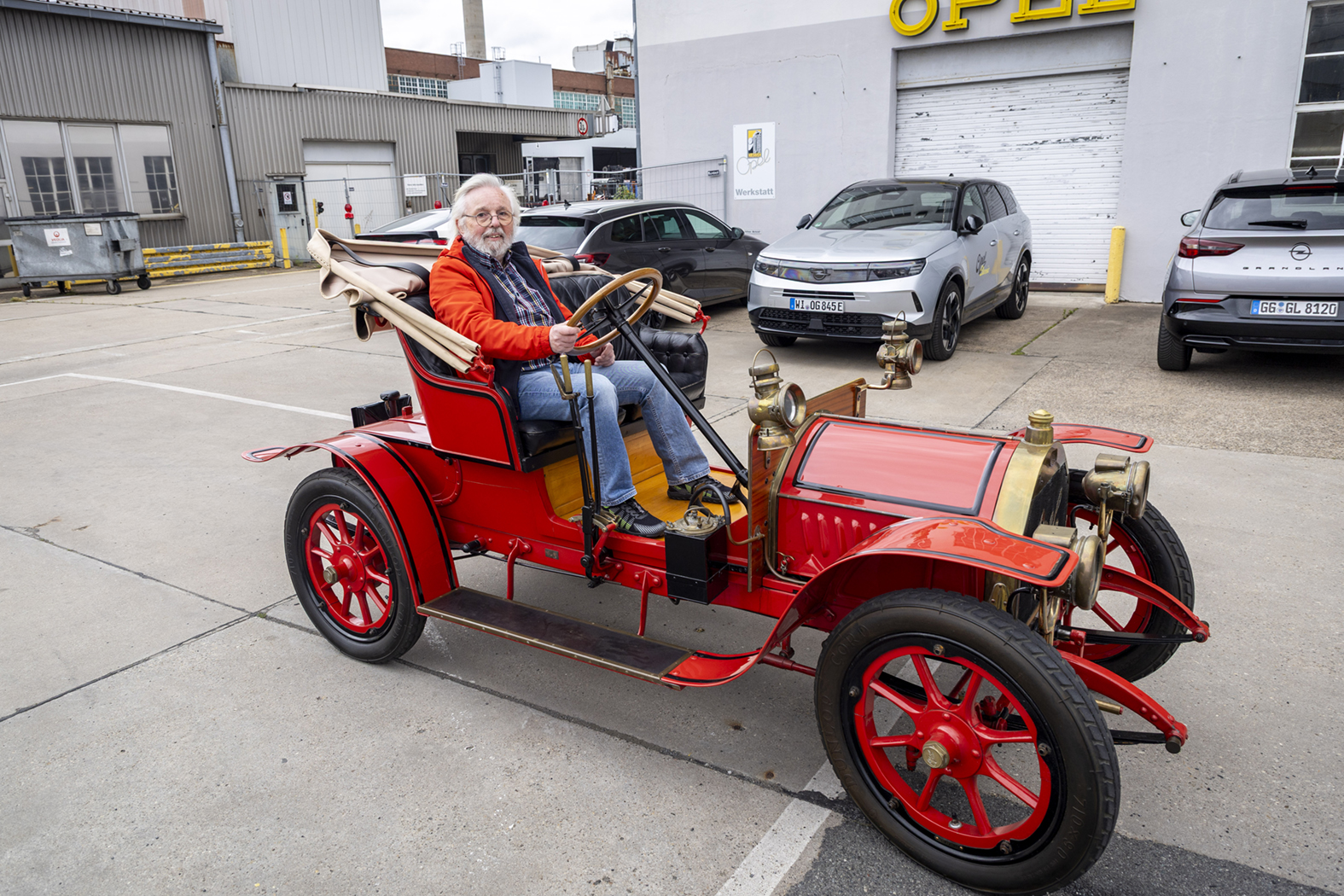
The roller door goes up. Behind it is a small red Opel. Built in 1909. Hans Reitinger stops. First, he looks at the car. Then at Leif Rohwedder. “Am I really allowed to drive it?” Rohwedder smiles. „Of course.“ This answer is the climax to a well-planned surprise for the 70-year-old. His brother-in-law Daniel Neumann had secretly asked Opel Classic whether it would be possible to fulfil the very special request.
No press campaign. No official date. Just a birthday wish: to drive an automobile from the early days of the brand. Such requests are not part of everyday life. Historical originals are unique contemporary witnesses. The joy is all the greater when Leif Rohwedder’s team decides: We will fulfil this wish.
“The Doktorwagen turned a luxury good into a vehicle with practical use.”
– Leif Rohwedder, Head of Opel Classic –
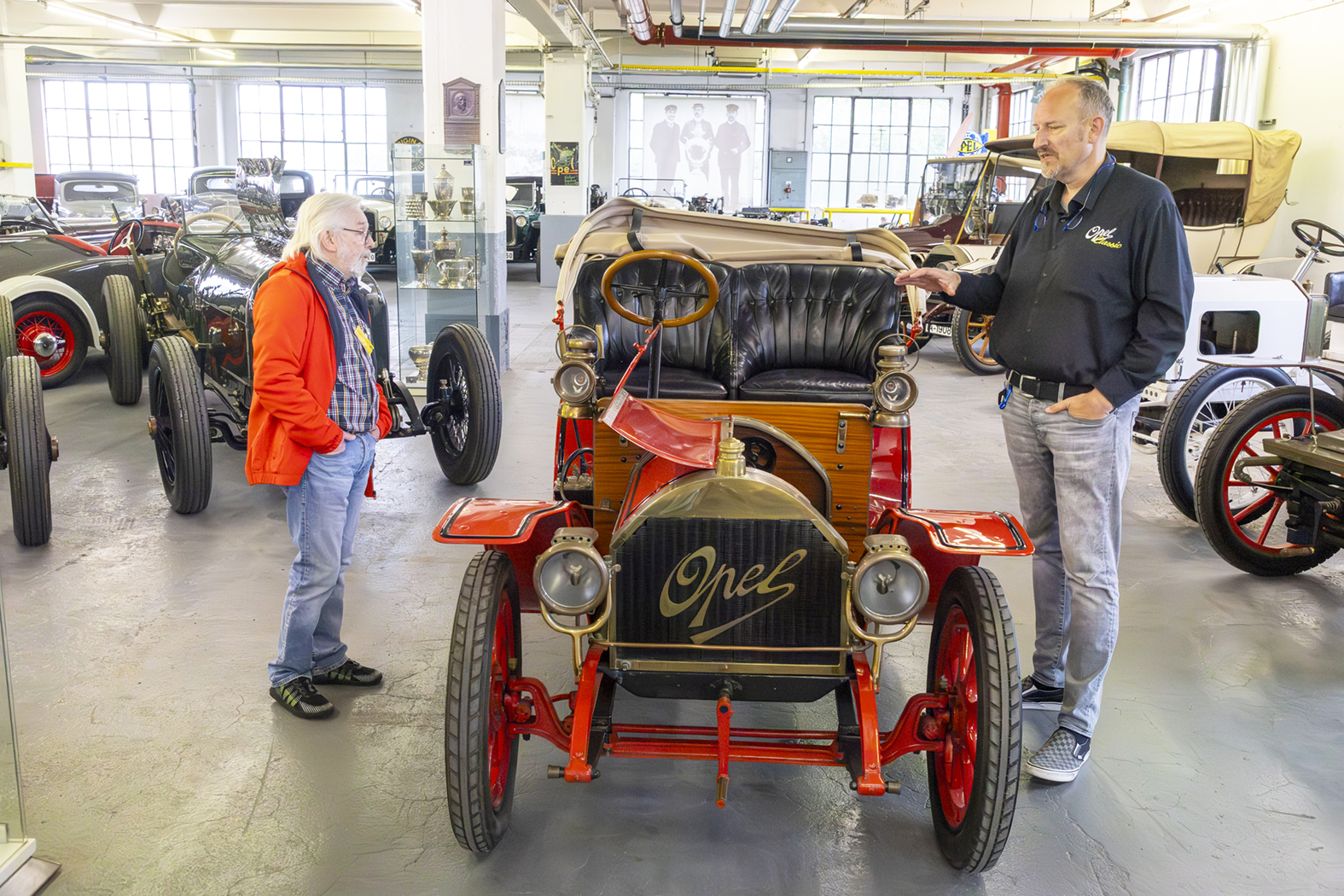
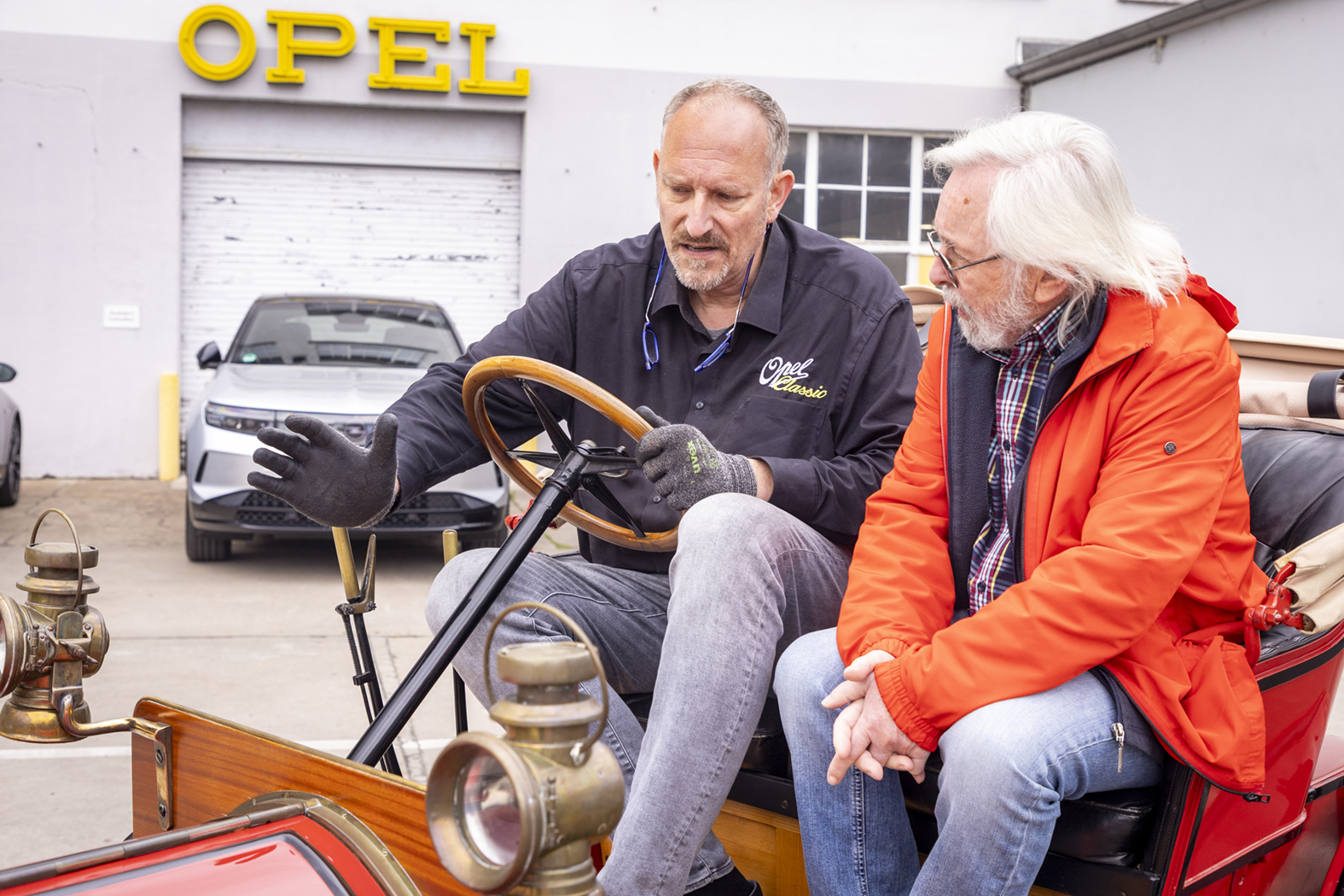
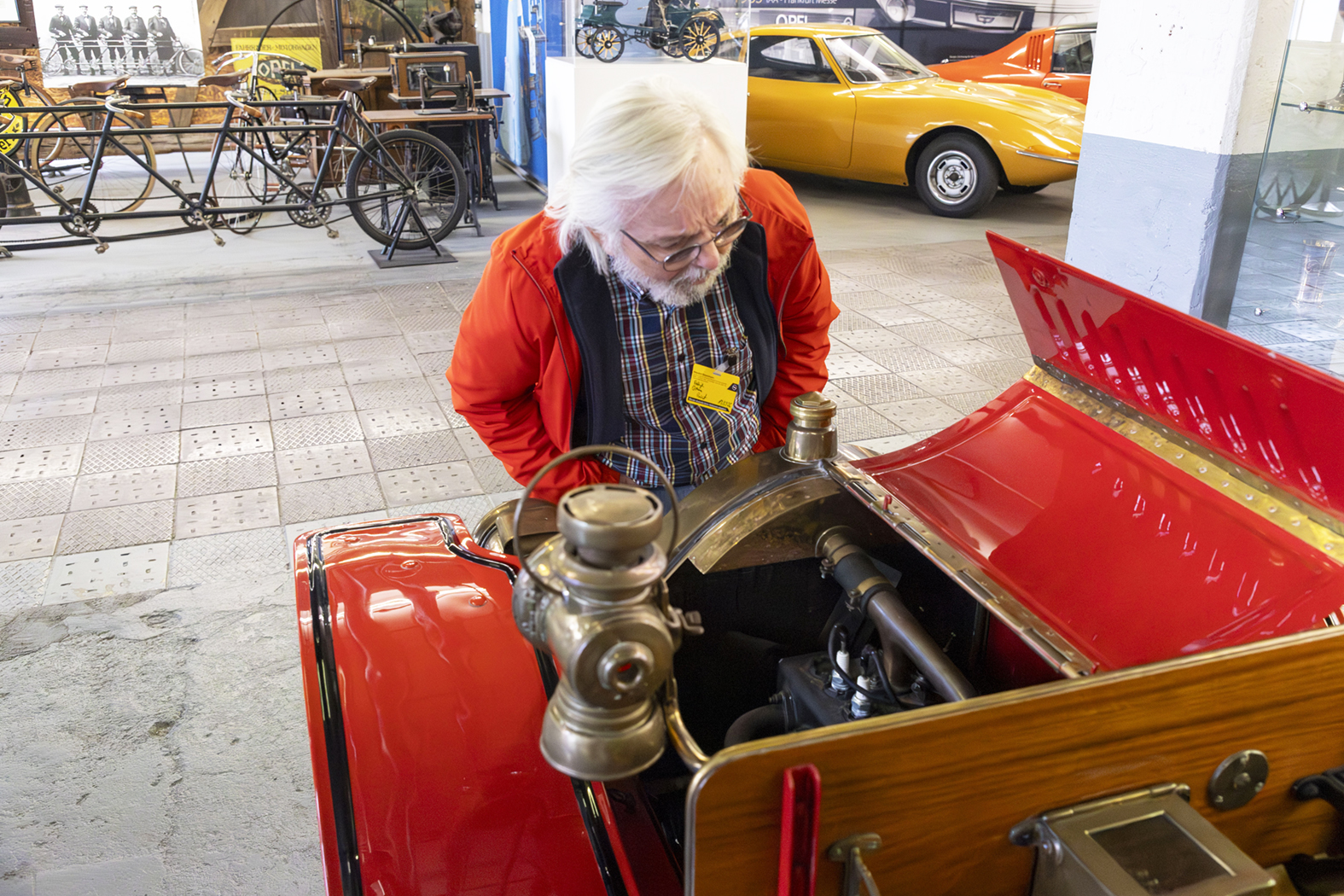
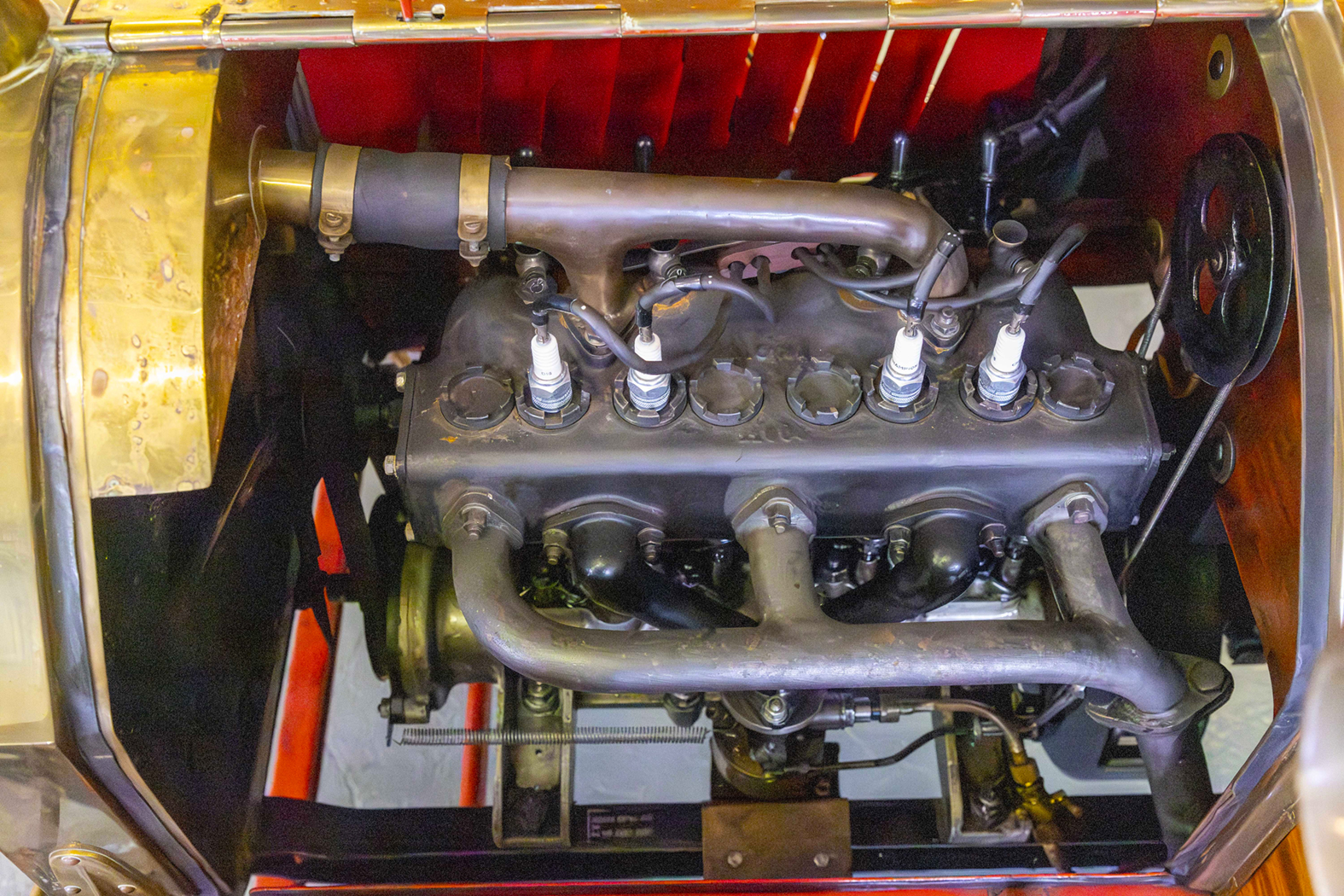
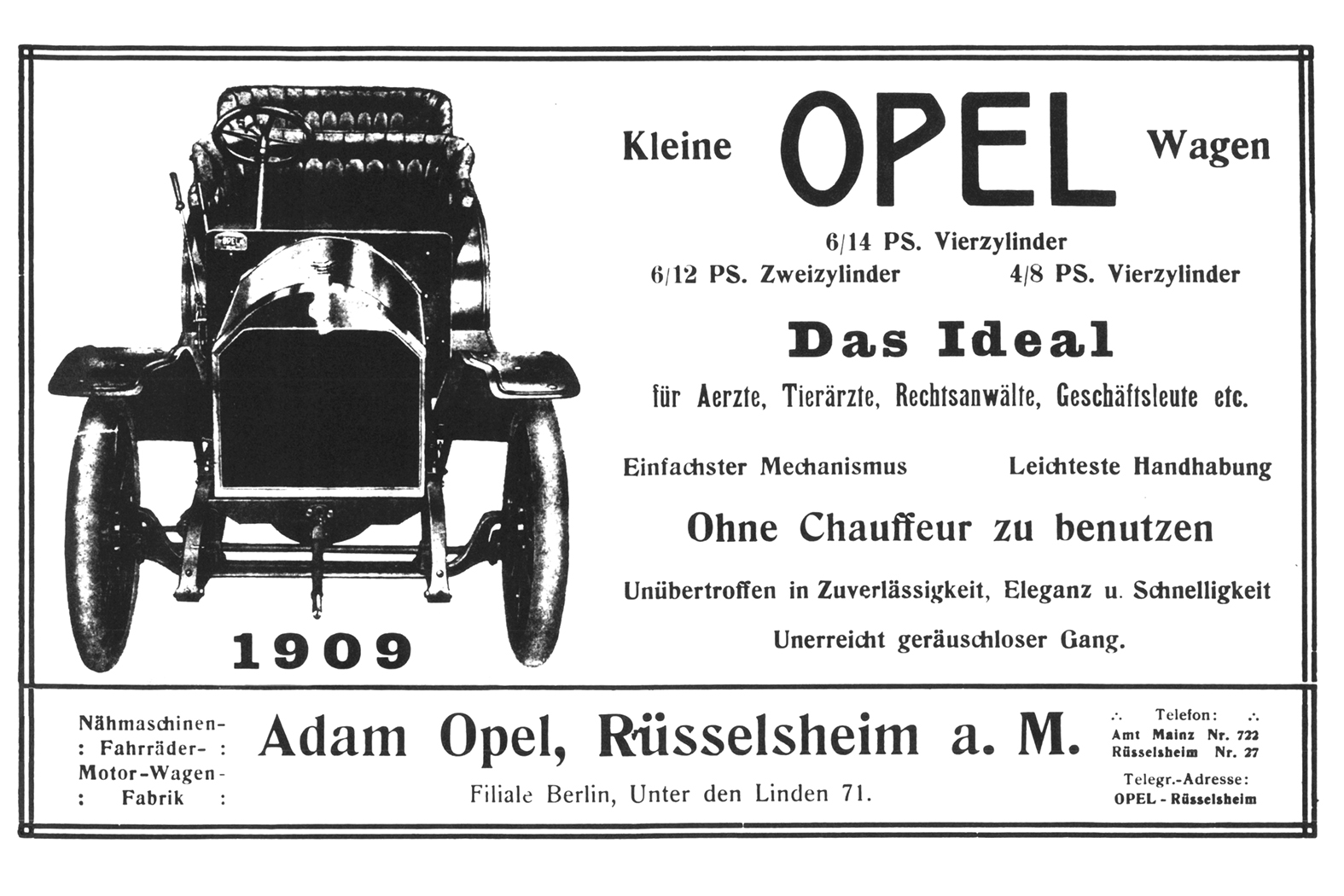
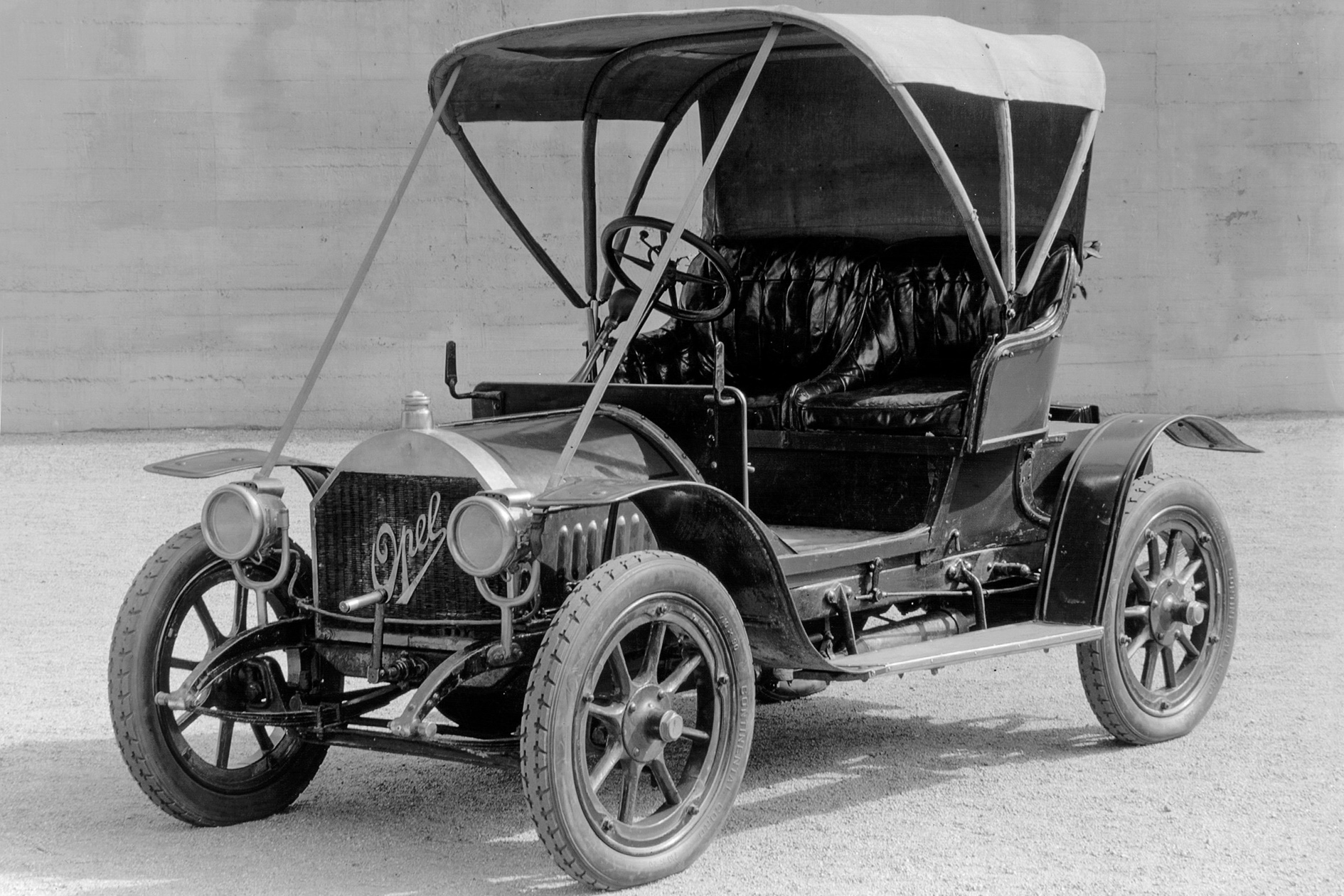
While Hans Reitinger circles the car, Leif Rohwedder tells its story. In 1909, the automobile is still predominantly a luxury good. Adam Opel himself had once sceptically described the new vehicles as “toys for millionaires”. In fact, large Opel luxury cars cost up to 19,000 marks at the time – unaffordable for most people. But the Rüsselsheim-based company recognised a gap in the market. Doctors, veterinarians, lawyers or travelling salesmen needed a car that was reliable, mastered narrow country roads and could be driven without a chauffeur. This is exactly why Opel developed the 4/8 hp. The starting price was 3,950 marks.
From luxury goods to utility cars
This also makes the automobile interesting for people who need it for their profession. The sales brochure confidently states: “The ideal car for doctors, veterinarians, lawyers, etc., without needing a chauffeur.” This is how its nickname, which is still famous today, was born: Doktorwagen or doctor’s car. For Opel, the model was a breakthrough in automotive engineering. The example that Hans Reitinger marvels at today has probably been part of the company’s historical collection since the 1930s. One thing is certain: As early as 1937, it drove through Rüsselsheim at the company’s 75th anniversary.
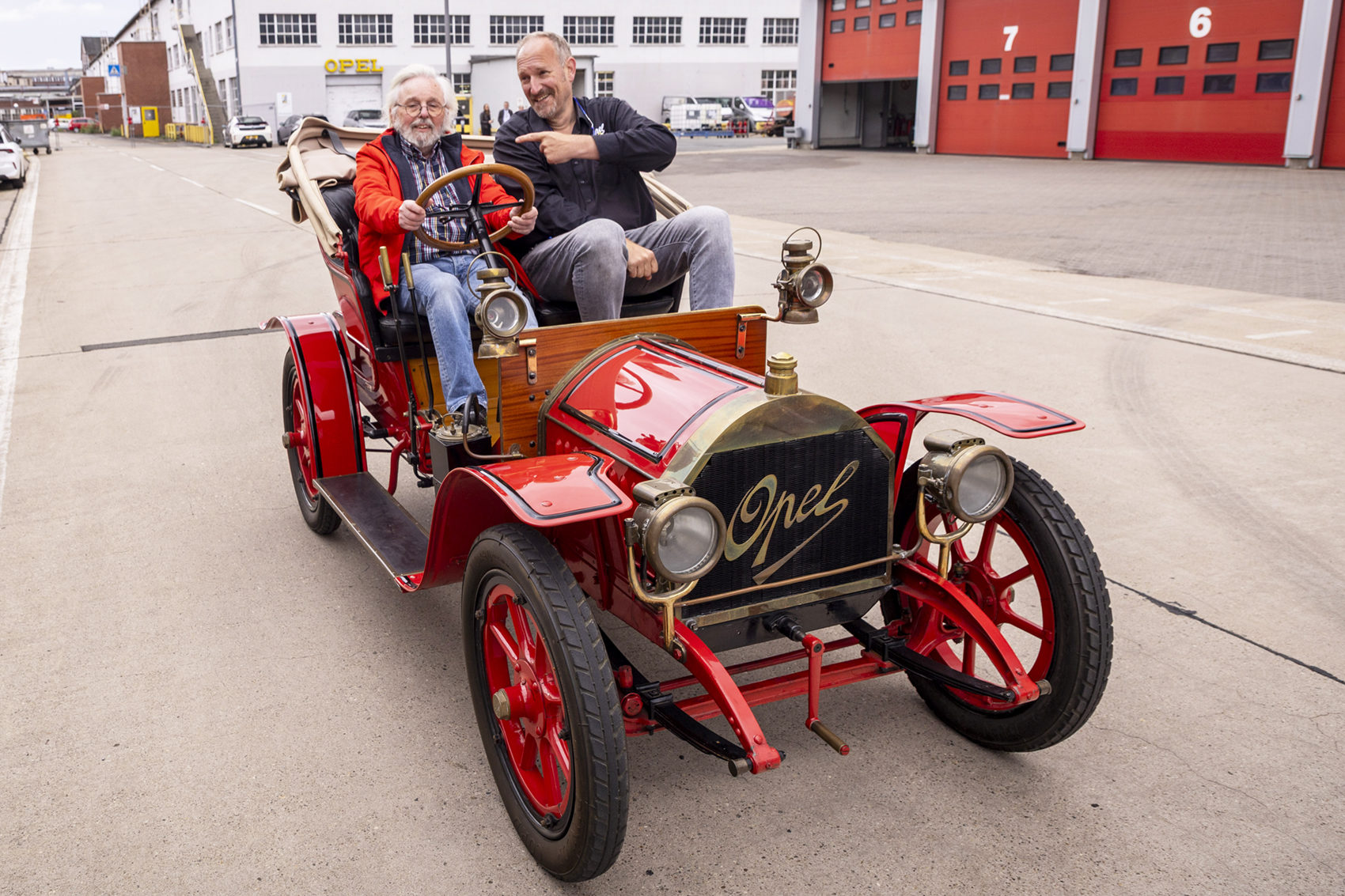
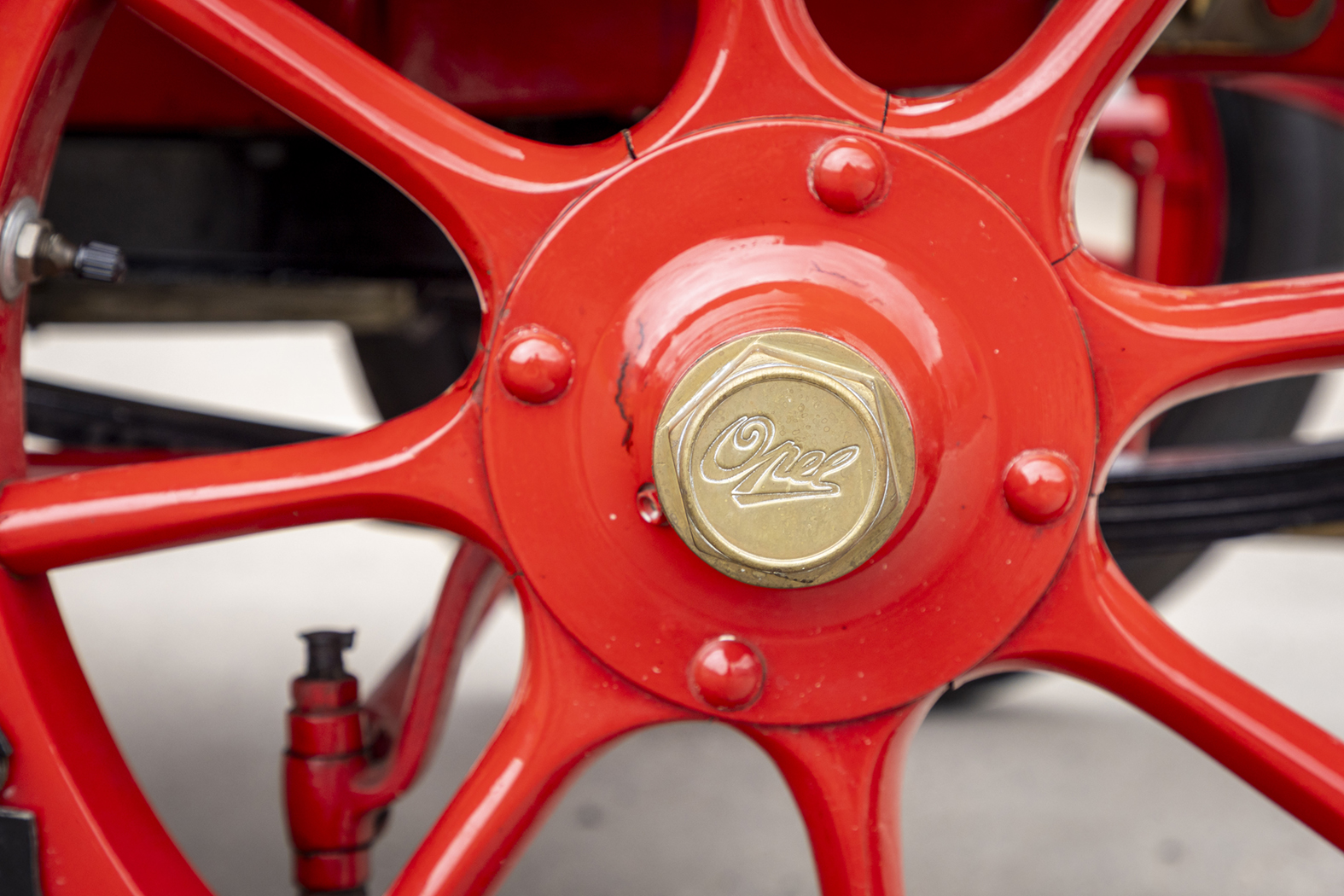
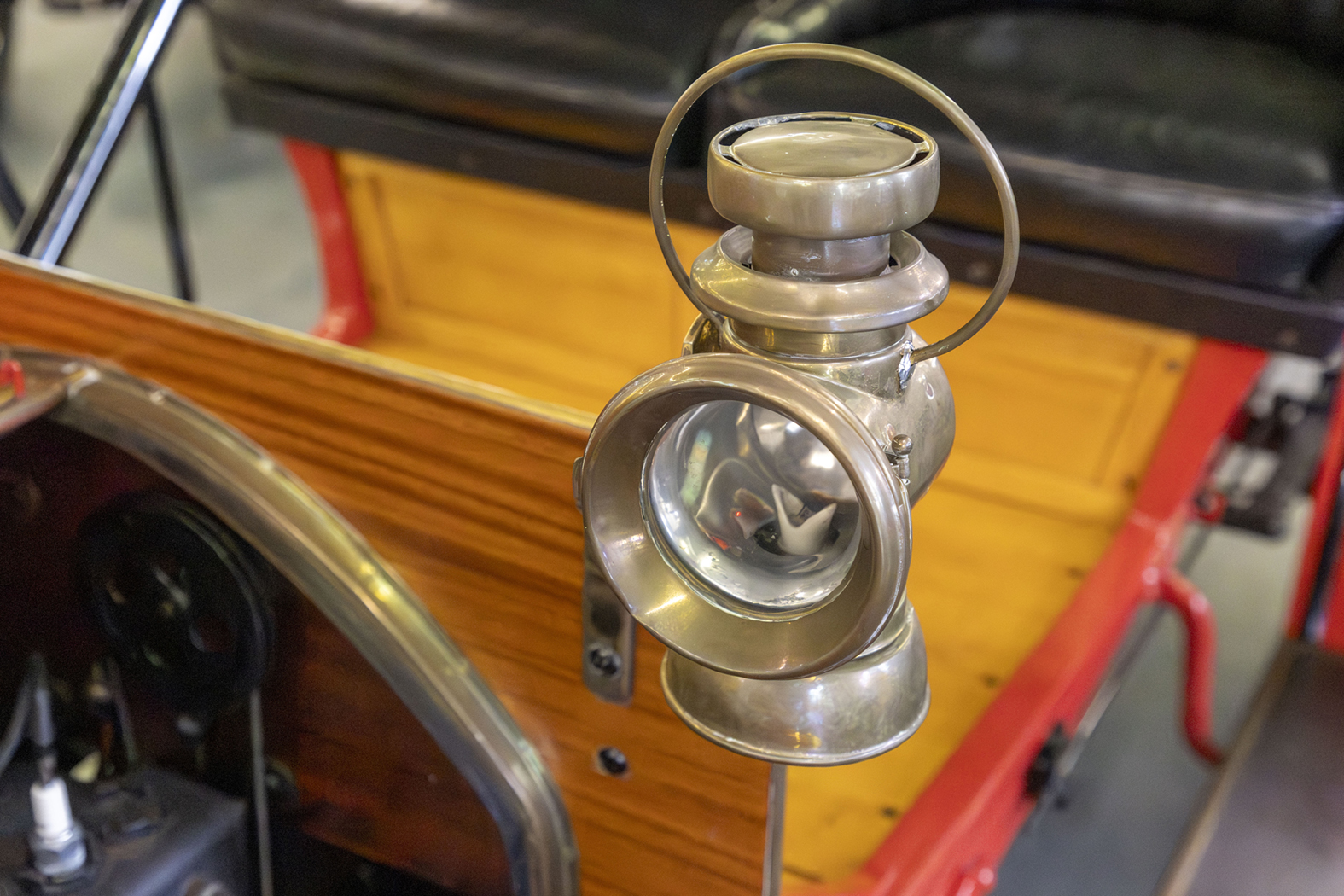
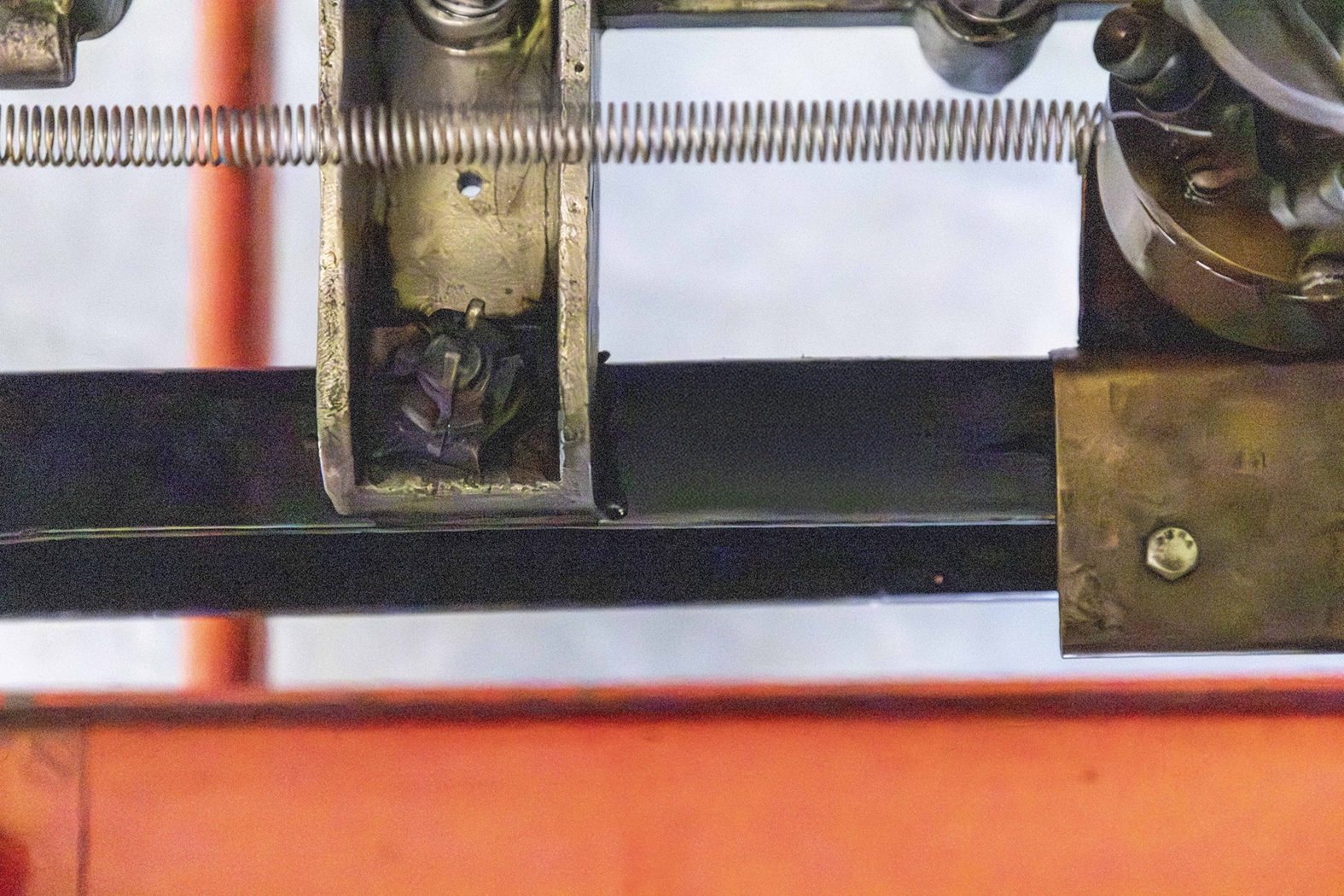
Before driving, there are lessons. Electric starter? Not on this car. Open the fuel tap. Pump. Crank. “In the past, it could be dangerous,” explains Rohwedder. If the engine backfired, it could result in a painful wrist. “The invention of the electric starter was therefore a real blessing.” Hans Reitinger applies the starter crank. A powerful swing. The small four-cylinder engine wakes up with its quiet mechanical chugging. The small Opel is also ahead of its time technically: For the first time, Opel casts all four cylinders in one block.
More levers than pedals
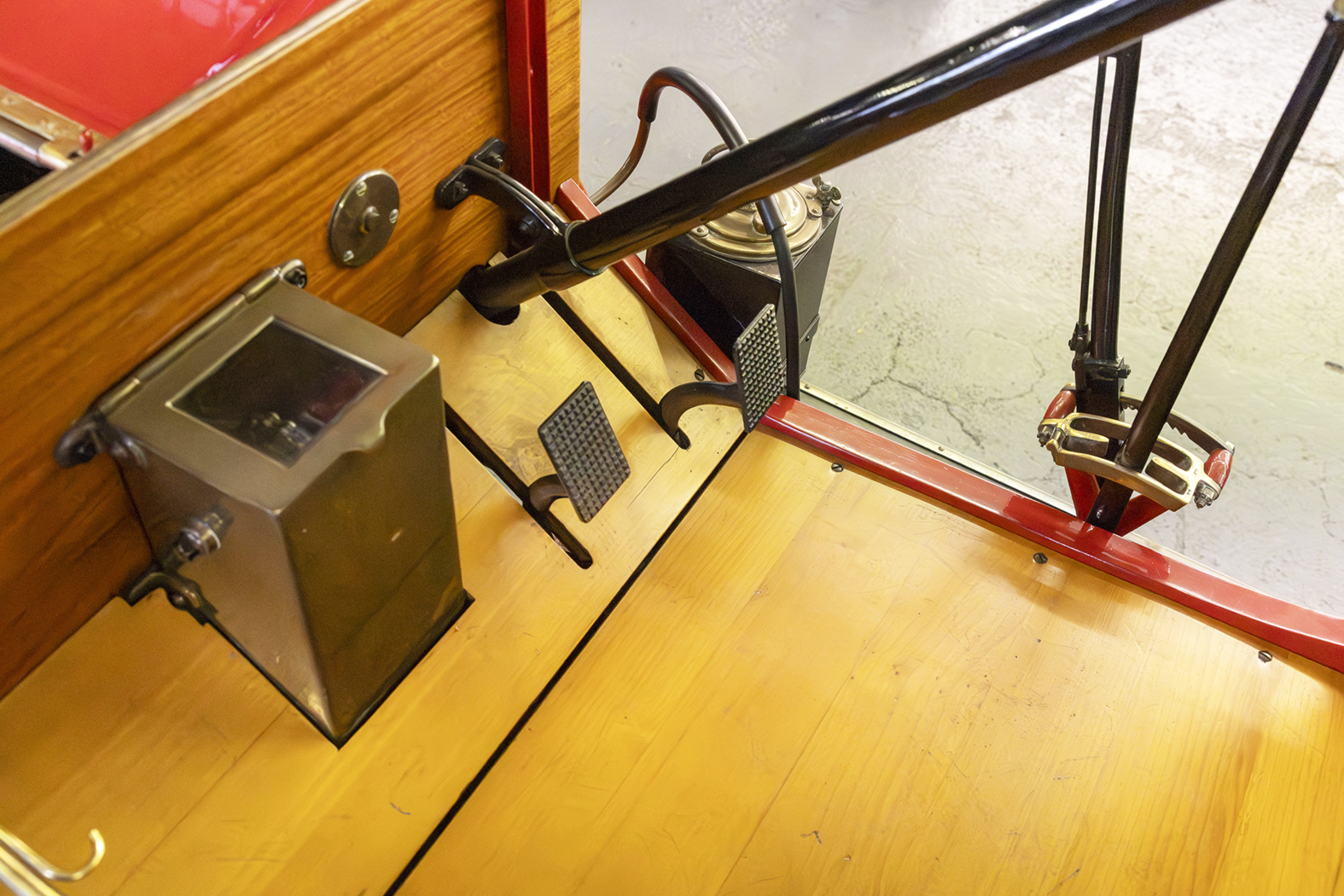
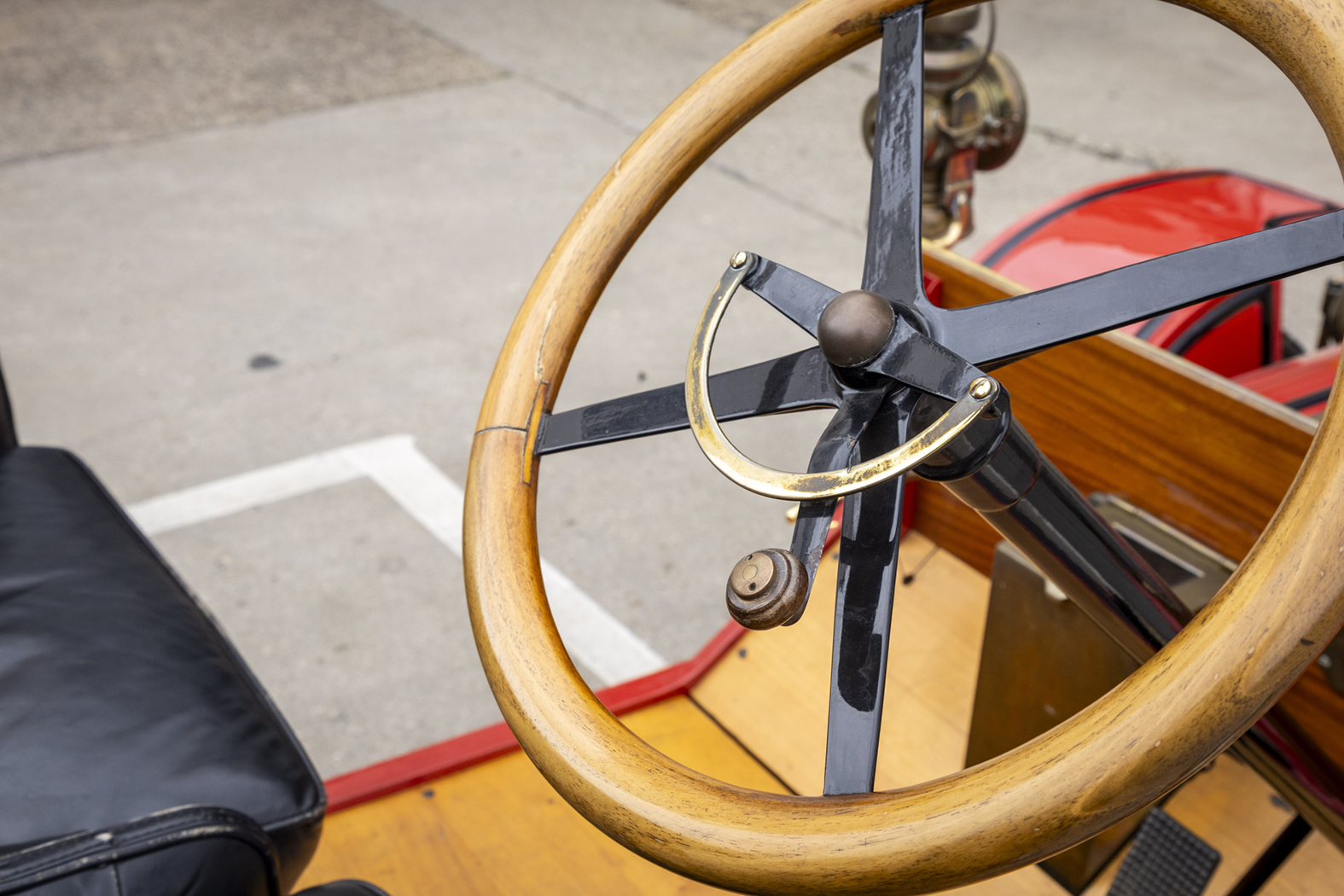
Hans Reitinger takes a seat on the leather-covered seat – almost a metre above the road. There are no doors, nor is there a windscreen. You get in via the curved running board. Normally, the former Opel employee drives an Opel Mokka. Today he holds a large wooden steering wheel in his hands. And almost everything works differently. Reitinger does not accelerate with his foot, but via a lever on the steering wheel. Shifting is done with the external gear lever to the right of the seat. Rethinking is also required when braking: the foot brake acts on the drivetrain, the handbrake on the rear wheels. Both are required if the Doktorwagen needs to stop as quickly as possible.
“You don’t just drive a car. You drive a piece of history.”
– Hans Reitinger –
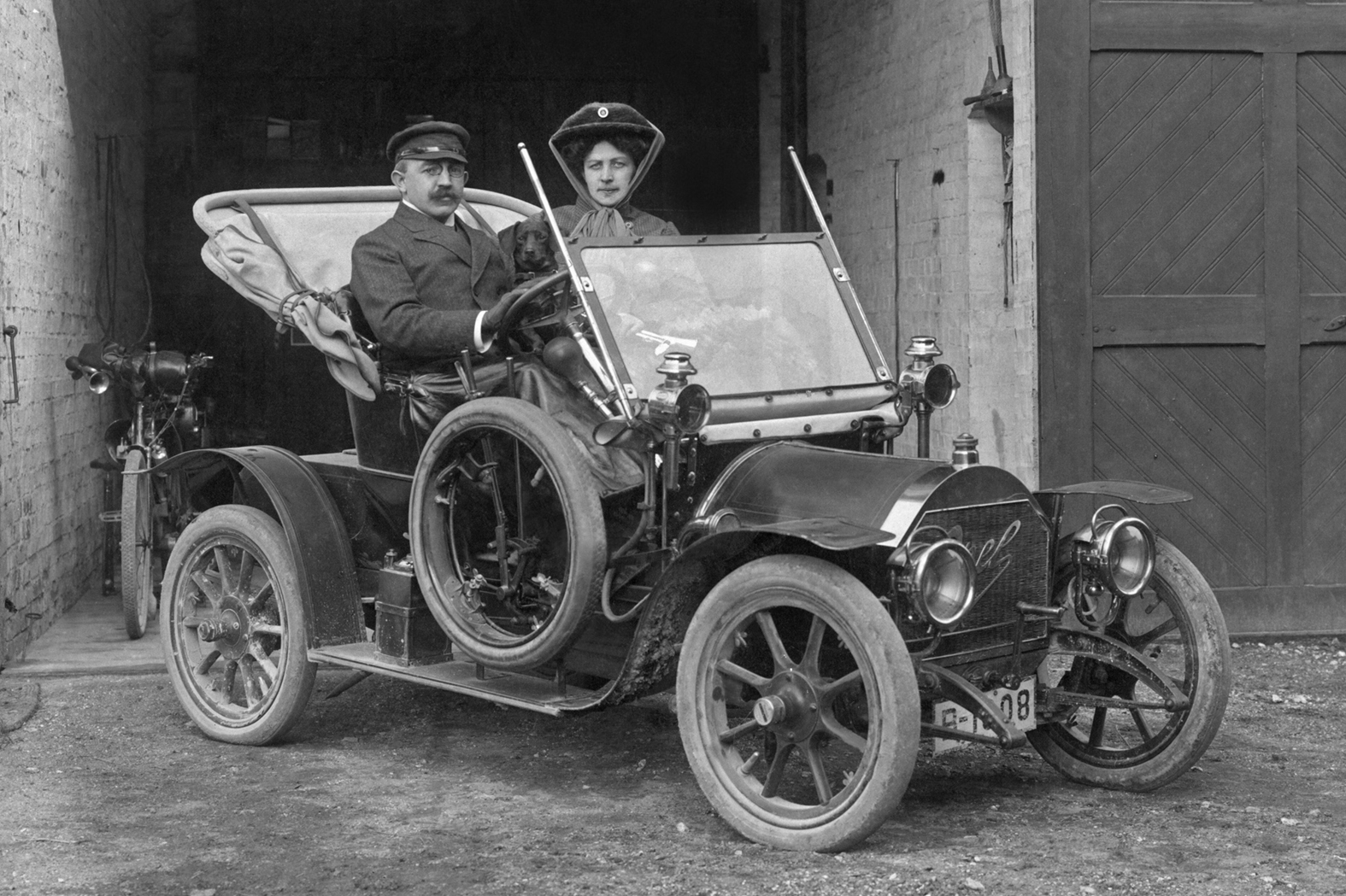
For decades, Hans Reitinger has loved everything that has four wheels – and drives everything that can be driven. He also quickly got to grips with the unusual technology of 1909. He drives off. Carefully at first, then more and more naturally. The small four-cylinder chugs along, Leif Rohwedder sits on the right. There is not much car between the driver and the road. For this reason alone, speed feels different than in a modern car. What sounds comfortable today can feel surprisingly fast in the Doktorwagen. Reitinger steers, accelerates by hand, shifts gears – and smiles. After a few metres, the more than 100-year-old controls have lost its terror. “You don’t just drive a car,” he says later. “You drive a piece of history.”
For the Opel Classic team, it is part of everyday life to preserve historic vehicles. Nevertheless, experiencing them on the road remains something special. After all, each of them is an irretrievable original. Hans Reitinger gets out with a broad smile. His brother-in-law Daniel Neumann gave him an extraordinary birthday present – and Opel Classic made it a little journey through time. 117 years ago, the Doktorwagen made the automobile accessible for more people. Today, it does one thing above all: make a birthday boy very happy.
September 2026