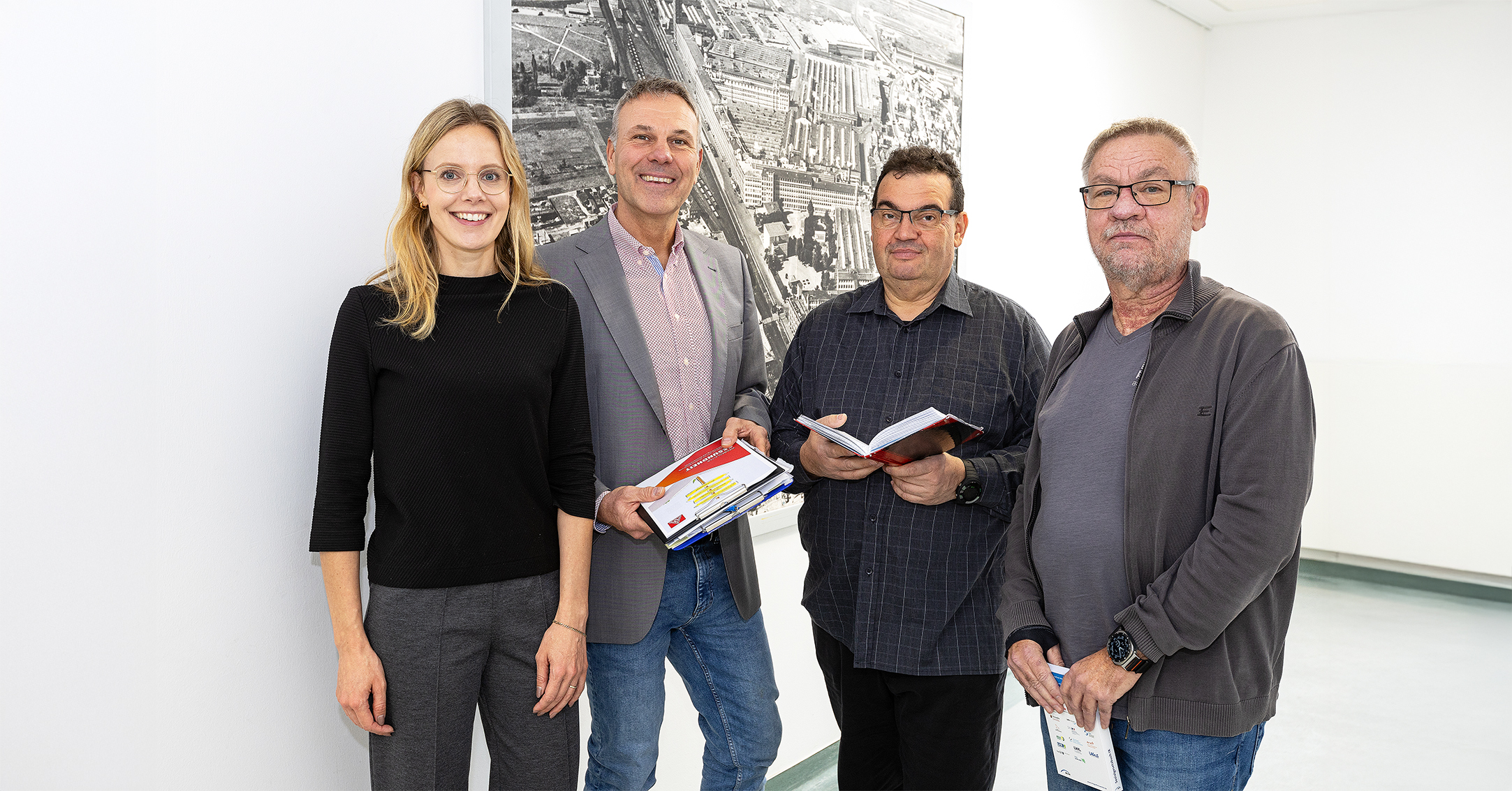
Inclusion is not brought about by paragraphs, ramps or subsidies. It is created by looking, listening, taking people seriously – and by the will to leave no one behind. At Opel, Thomas Wedde, the employer’s inclusion officer, and Dietmar-Karl Wagner, the voice of severely disabled employees, shape this attitude in everyday life. They are representative of many who are committed to accessibility, health and participation in the company – in different roles, with a common goal: work must remain possible for everyone.
Thomas Wedde refers to a number to start with: 46 – the average age of the workforce in Rüsselsheim, and the trend is rising. With age, the stresses grow: physically, psychologically, family-wise. „Inclusion has long since ceased to be a marginal issue – it is a way of securing the future,“ he says. For Dietmar-Karl Wagner, representative of severely disabled, one thing stands out in addition to attitude: visibility. „It is important that our work becomes more present.“


The representative body for severely disabled employees is located in building K40 and in the Adam Opel Haus, e-mail: sbv.ruesselsheim@stellantis.com
„Bring us in when there are problems“
On December 3, the ‘International Day of Persons with Disabilities’ reminds us of how necessary this visibility is: 7.9 million people in Germany have a severe disability – around nine percent of the population. Many experience barriers, prejudices or disadvantages. Self-determination, participation and equality have to be worked on anew every day – in society as well as in the company.
Wagner’s eight-member team advocates exactly this. It accompanies colleagues with visible and invisible limitations, organises workplace adjustments, applies for help, uses its network – and defuses conflicts. „Get us involved when there are problems: We support you with everything that needs to be done – every situation is different, the help we provide is individually tailored.“ Currently, for example, three job coaches from the integration service are working for the team in Rüsselsheim, who accompany employees directly at the workplace, analyse stress and help structure tasks in such a way that they remain feasible.
„We provide support with everything that needs to be done – every situation is different, the help we provide is individually tailored.“
– Dietmar-Karl Wagner, representative of the severely disabled –
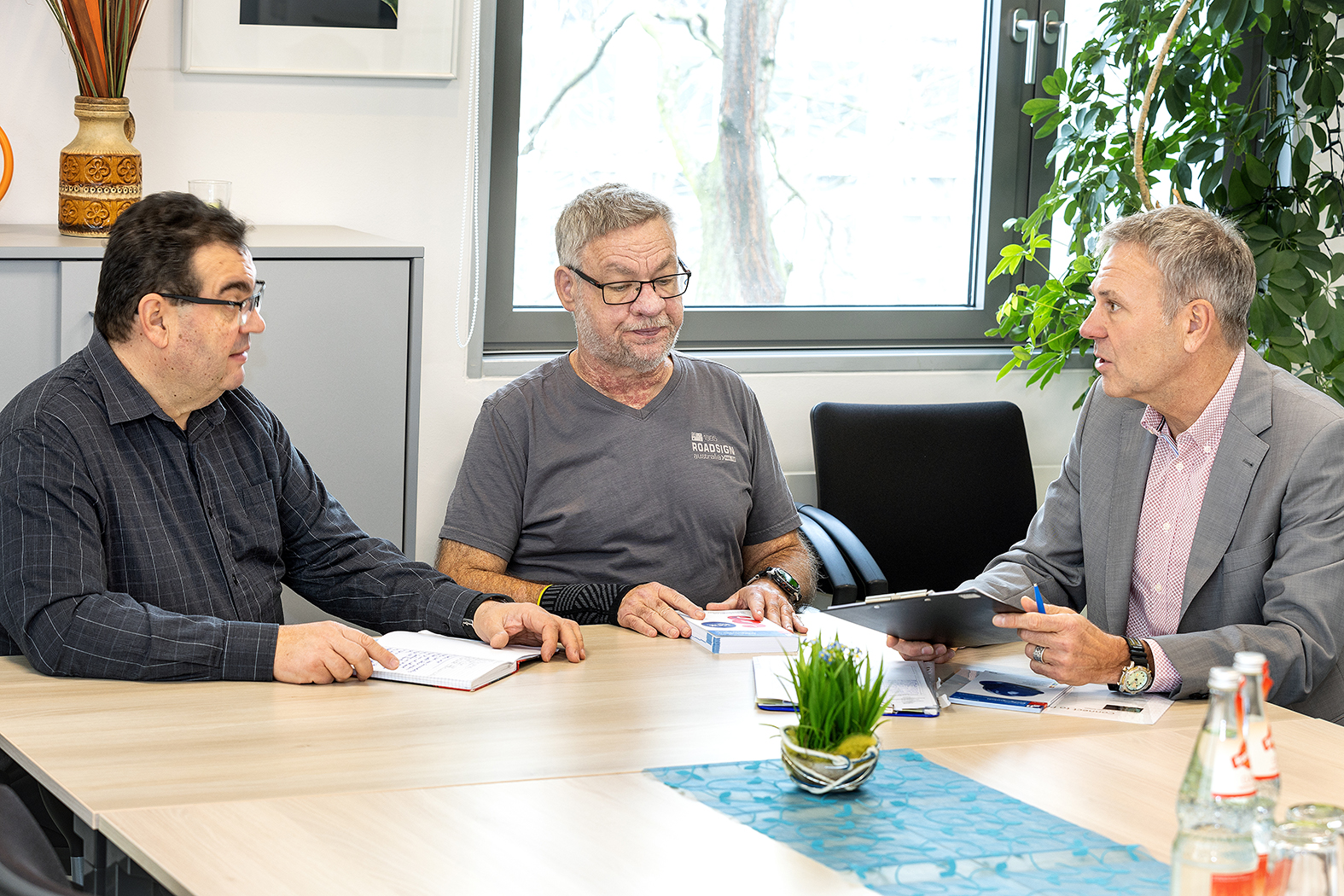
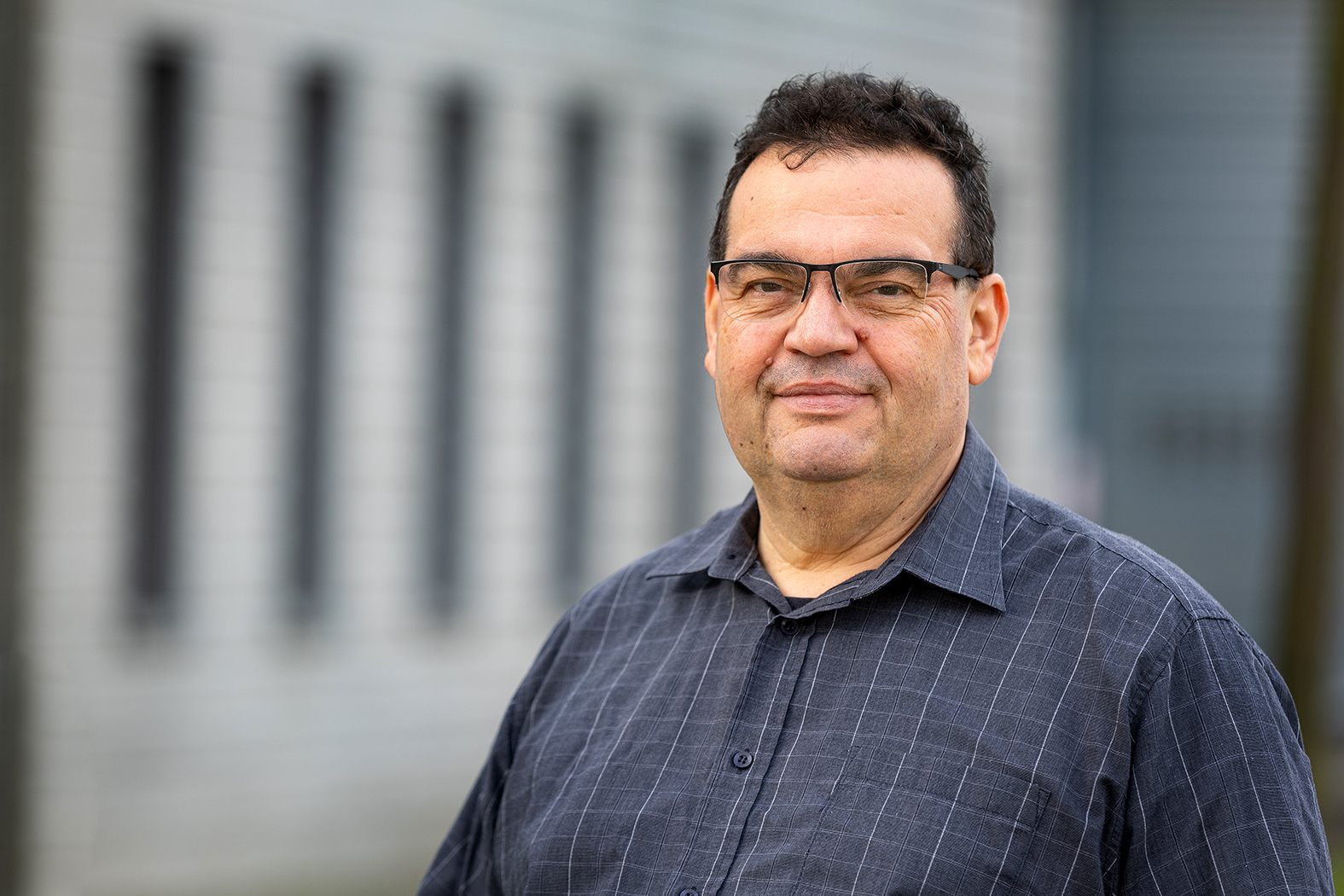

Representation is also in demand for strategic projects. Wagner has been part of the planning team for the new company headquarters, the green-campus, since January: talks with the investor and the state welfare association, coordination with architects, all in accordance with DIN 18040 – the standard for barrier-free construction. In May, the commitment came: accessibility will be fully implemented in the new building. „If inclusion is considered from the very beginning, it often doesn’t generate any additional costs,“ Wagner emphasises.

„A broken arm heals in weeks. Burnout takes months.“
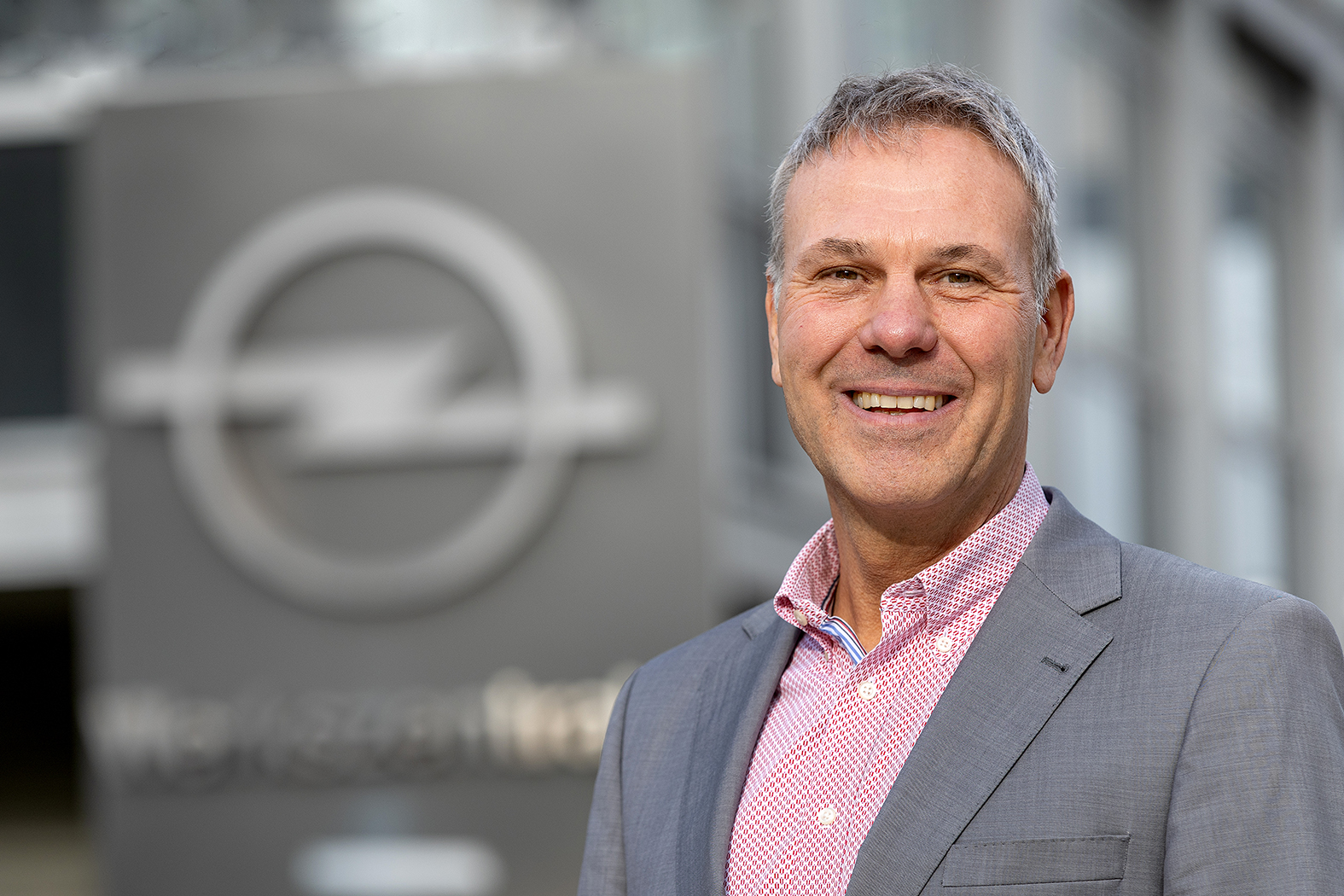
Thomas Wedde, supported by his colleague Thomas Preis, works on the employer’s side – as an inclusion officer. His office on the second floor of the company medical service is inconspicuous, but his task is not. He advises, mediates, warns. He ensures that the employer fulfils its obligations before conflicts escalate. His role is particularly clear in a topic that concerns companies everywhere: „The effects of mental illness are increasing: a broken arm heals in weeks. Burnout takes months.“
The topic closest to Wedde’s heart is therefore occupational health management. It bundles occupational health and safety and health promotion. For 2025/26, programmes are available to help before a situation escalates: seminars on psychological stress, healthy leadership, nutritional advice, diagnostics, ergonomics programmes. The problem: „Those who need it most urgently have such a heavy workload that they don’t take the time.“ His appeal: „More self-esteem.“
„Those who need it most have such a heavy workload that they often don’t take the time.“
– Thomas Wedde, Inclusion Officer –
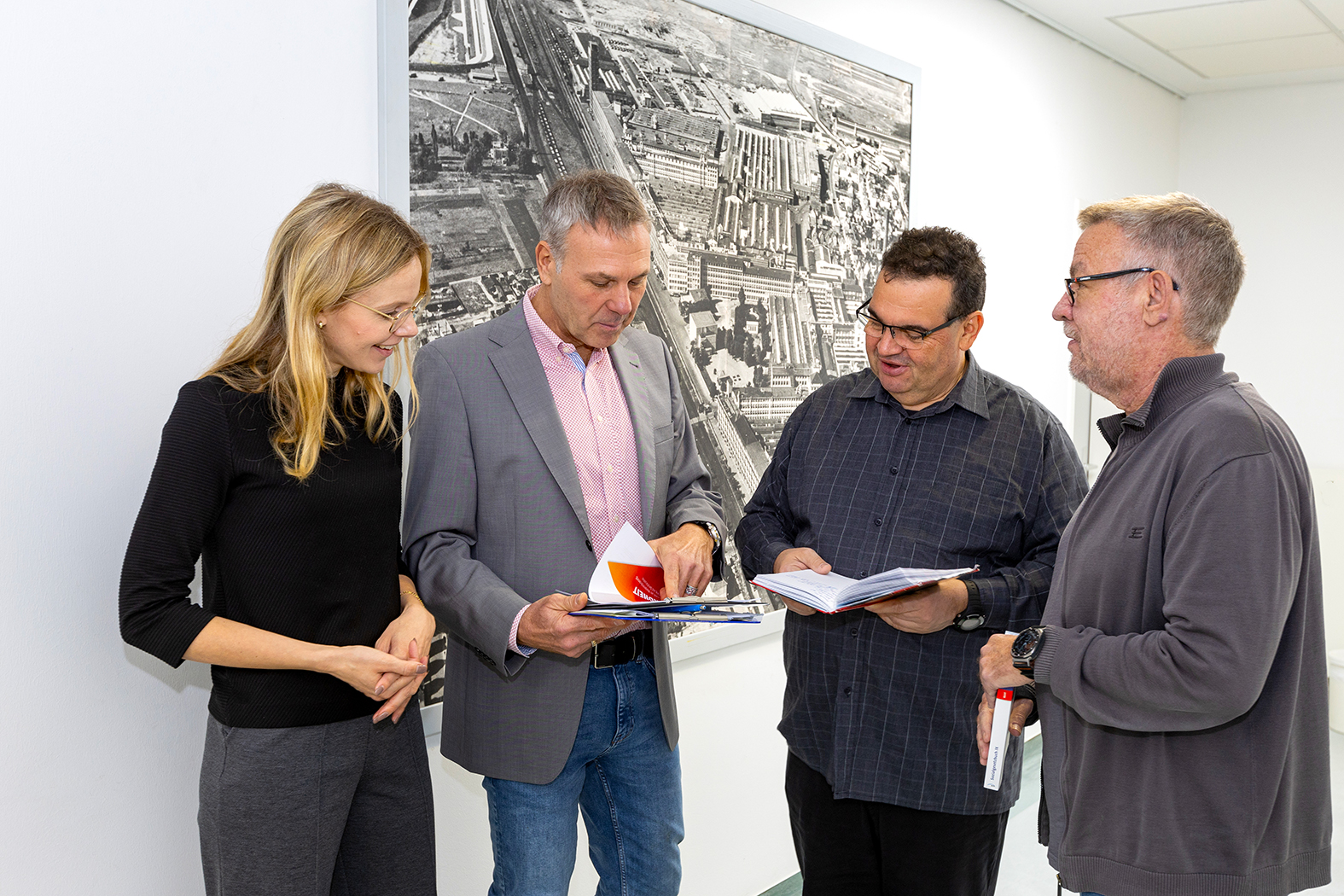
What Wedde means by this: take care of yourself in good time before something goes wrong. Many employees feel overloaded – sleep worse, are exhausted, lose strength – but continue to give their all out of a sense of duty or concern about burdening others. For Wedde, this is the wrong way. Self-esteem means taking warning signals seriously and accepting support before stress turns into an illness. This includes the services that Opel provides: prevention courses and counselling. „We are creating structures that help,“ says Wedde. „But they only work if people use them.“
Under his direction, subsidies from the state welfare association are also used in a targeted manner: electric door openers, converted toilets, crane extensions, lifting aids, floor mats, handrails – investments that can be felt every day. Of course, there are also points where there are problems. An alarm system for deaf people at the Rüsselsheim site has been on the team’s wish list for a long time – the implementation is taking time. „In principle, as a representative body for severely disabled employees, we work very closely and in partnership with the employers‘ representatives,“ Wagner emphasises.

More than a compulsory exercise: the BEM
In one field, the teams of Wedde and Wagner work particularly closely together: company integration management (BEM). It is required by law – but at Opel it is much more than a compulsory exercise. The goal: to bring employees back after a long-term illness so that they can stay. Without relapse. Without being overwhelmed.
It is never just those affected who sit at the same table. A representative for the severely disabled, the inclusion officer, the works council, sometimes the integration service are present. Together, they look for solutions: changed tasks, new working hours, technical assistance, qualification. Because several hundred BEM cases occur every year, the works council, management and the representatives for the severely disabled are currently working flat out on a comprehensive works agreement – and on its practical implementation. „The faster we reach the finish line, the better for our employees,“ says Wagner.
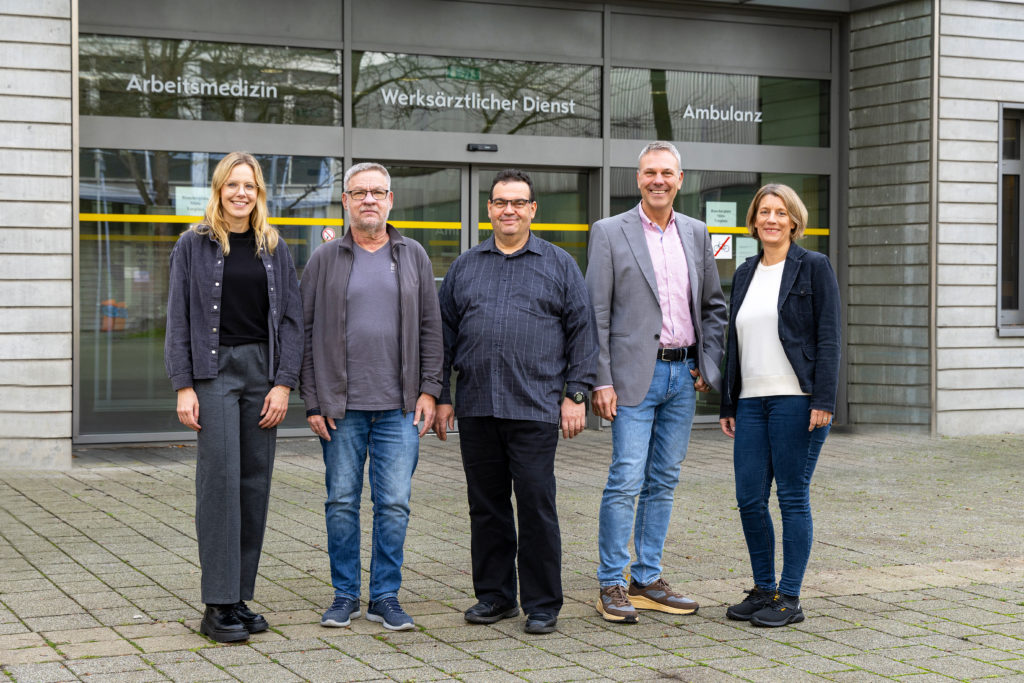
„Companies that anchor diversity sustainably increase innovative strength.“
Saskia Harms, Manager for Diversity & Inclusion at the company, adds to the strategic perspective of this work: „Diversity is and will remain a strategic success factor. Economic uncertainties and political upheavals are putting diversity strategies to the test worldwide – but studies clearly show that companies that anchor diversity sustainably increase innovation, employer attractiveness and resilience.“
Her words connect the operational actions of the teams around Wedde and Wagner to the bigger picture: Inclusion is not just care – it is a competitive factor. That’s why inclusion at Opel is not an addition, but a lived responsibility – borne by people who make sure every day that no one is left behind in their everyday work.

November 2025