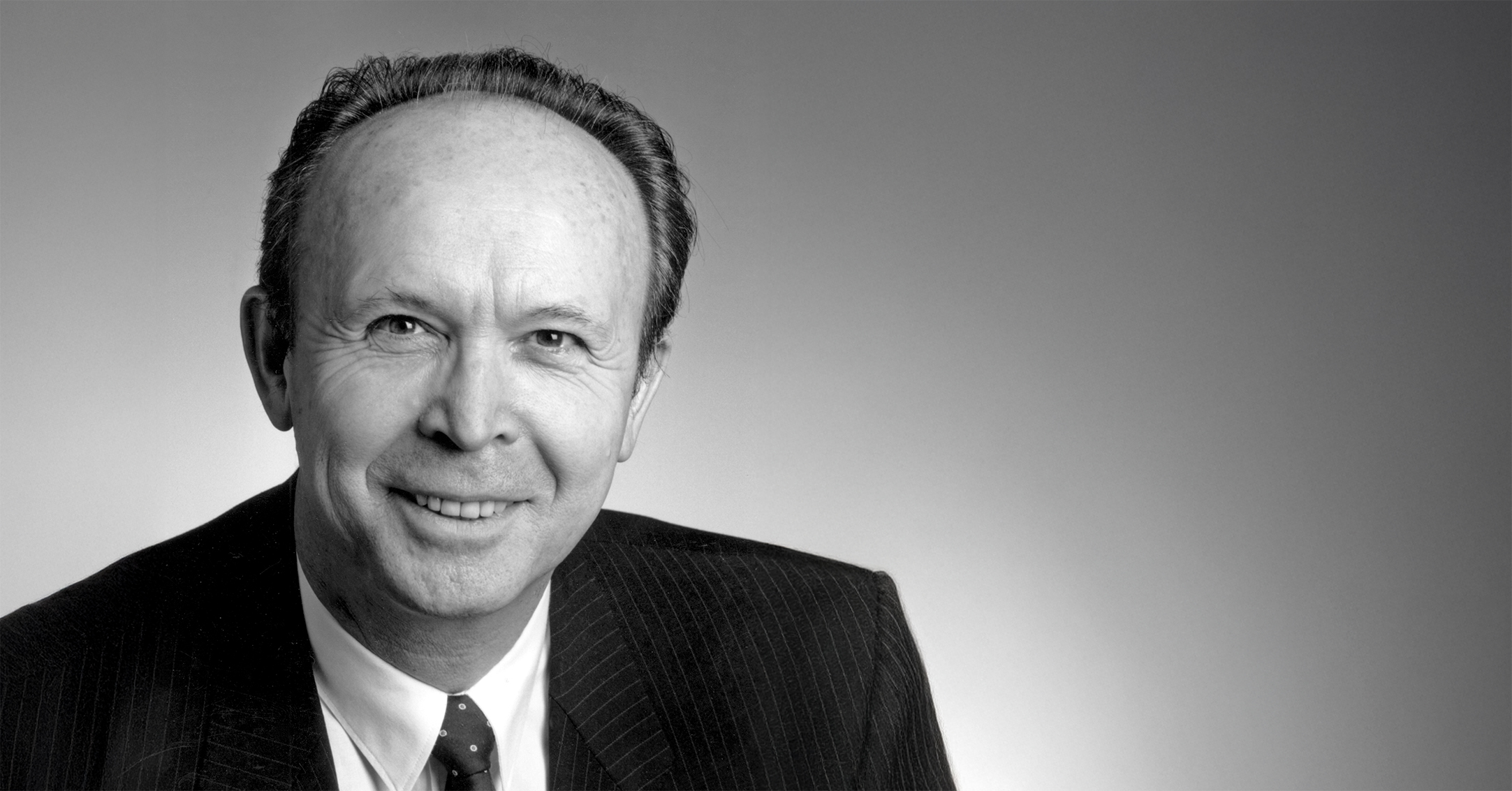
Herbert Oberhaus began his career at Opel in 1949 as an apprentice machinist. What followed was an exemplary career that took him from a young engineer to the top of technical development in a total of 42 years. From 1977 onwards, he headed the chassis development department, and in 1980 he took over the function of chief engineer for engines before being appointed director of product development and design in 1985. In these roles, he played a key role in shaping almost every chassis and vehicle concept that went into series production at Opel – from the Kadett A to the Calibra. A part of his work lives on in all these vehicles.
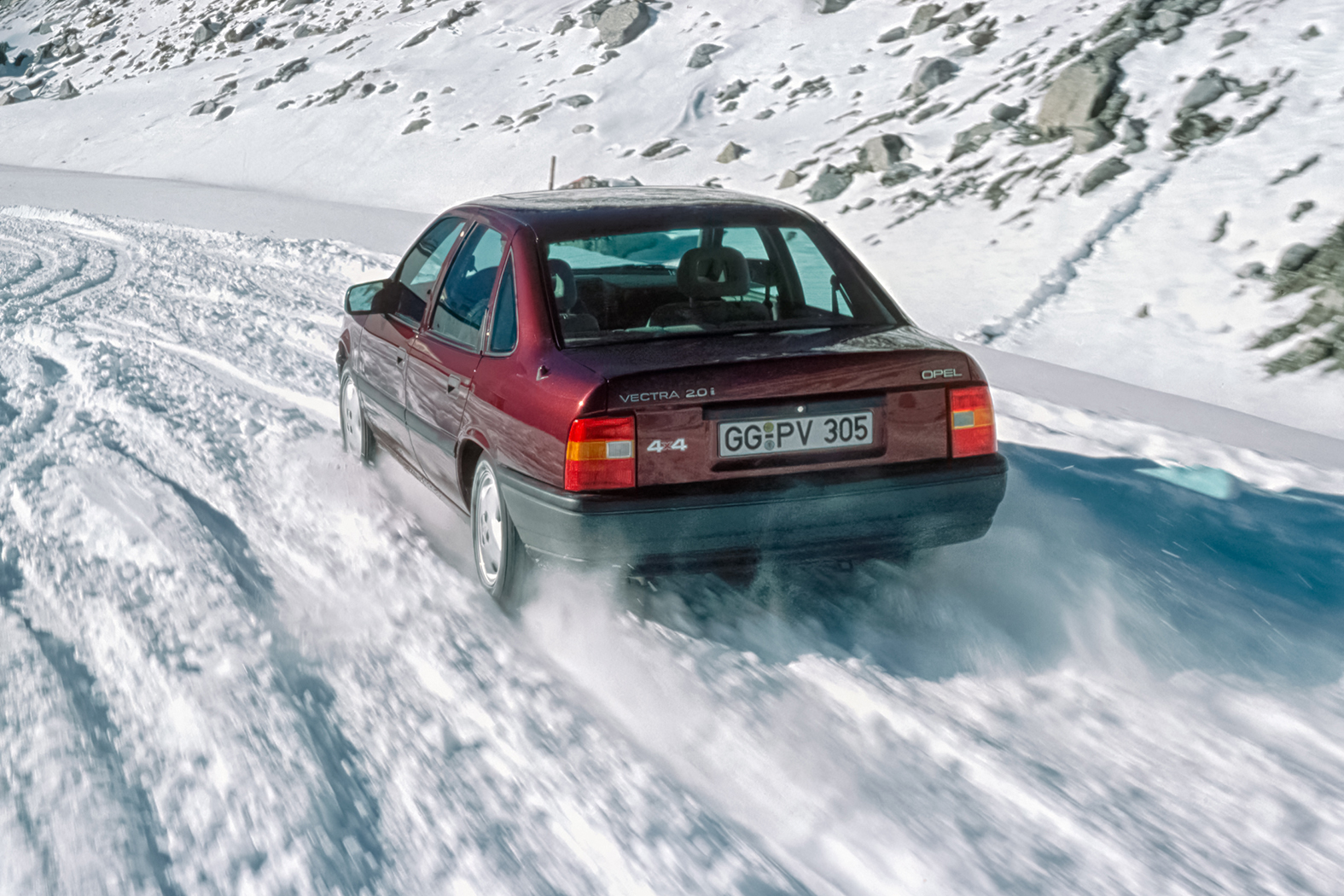
As one of the fathers of the modern Opel range, Herbert Oberhaus set decisive standards in the field of chassis development. Together with his team, he introduced the self-stabilising DSA suspension to the Omega and Senator. Further technological milestones followed with the electronically adjustable chassis in the Opel Senator and the innovative all-wheel drive of the Vectra 4×4. His early achievements also include the development of the De Dion rear axle for the KAD (Kapitän, Admiral and Diplomat) models.
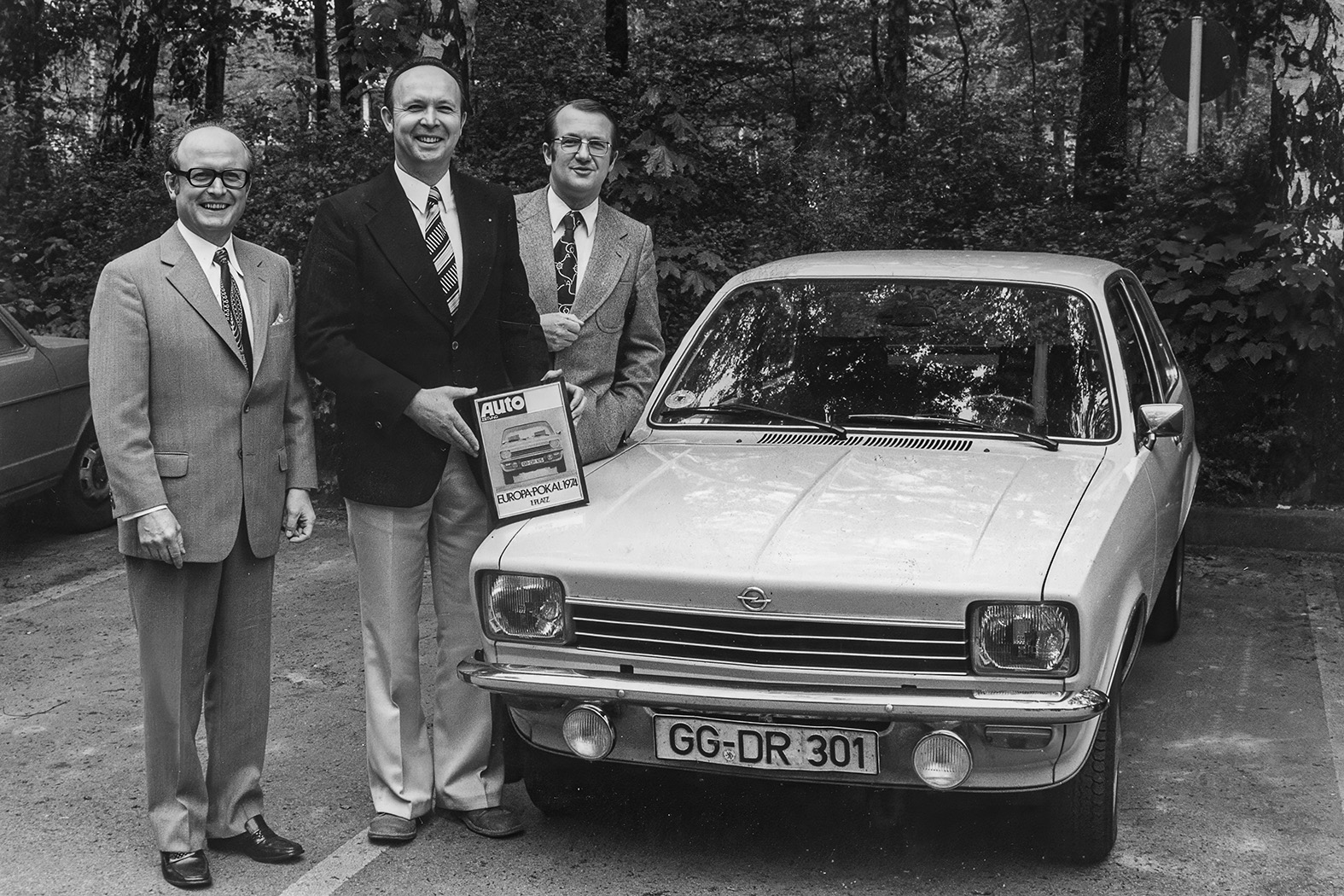
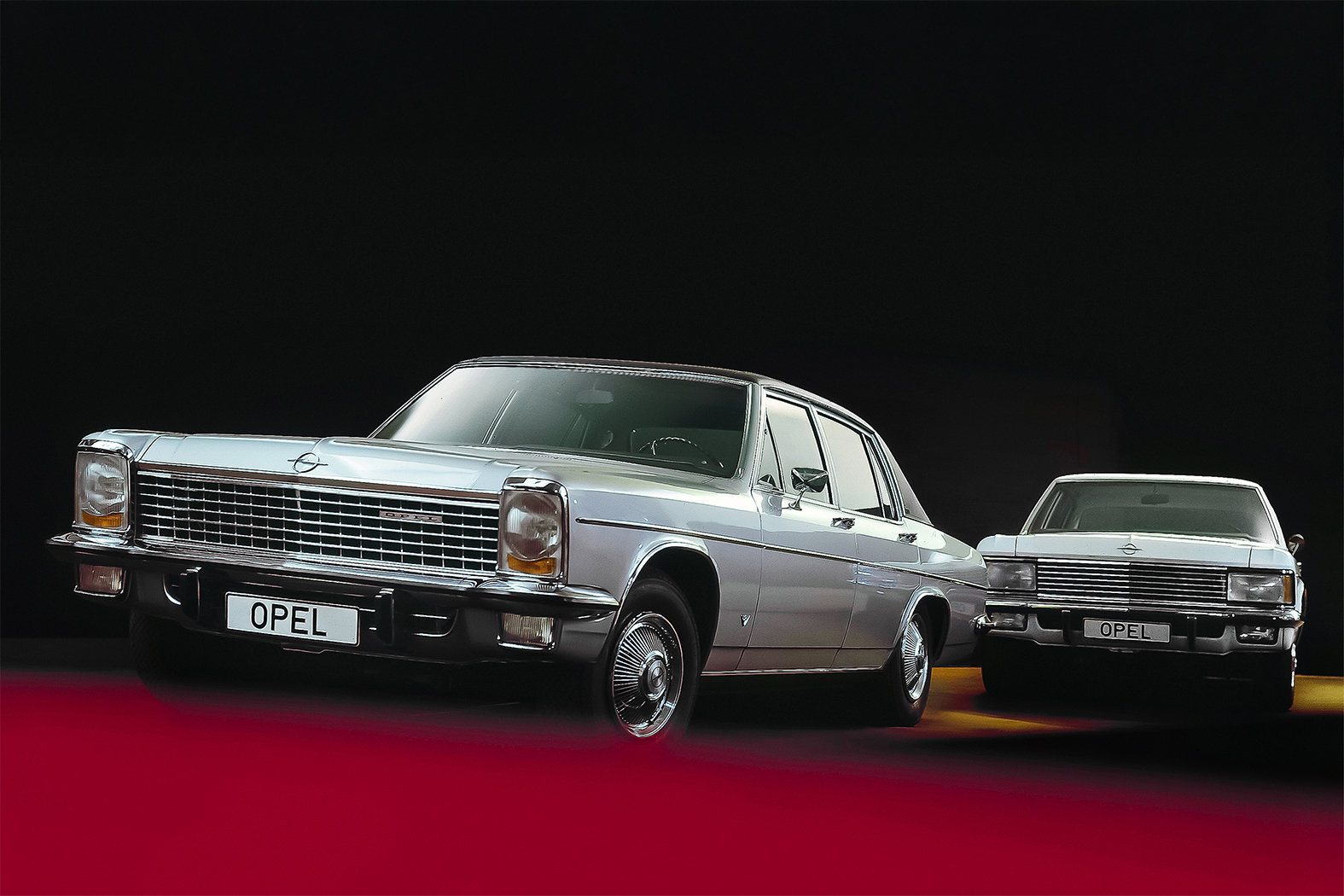
The beginnings of his engineering career fell into a pioneering phase of vehicle development. Test methods had to be rethought, and measuring systems often had to be improvised. Brake tests took him to the Alps with the Kapitän, Admiral and Diplomat, and the construction of the test site in Dudenhofen was also shaped by his direct commitment – from the design of the various test tracks to the realistic recreation of a wide variety of road surfaces. His aim was always to test vehicles under the most realistic conditions possible.
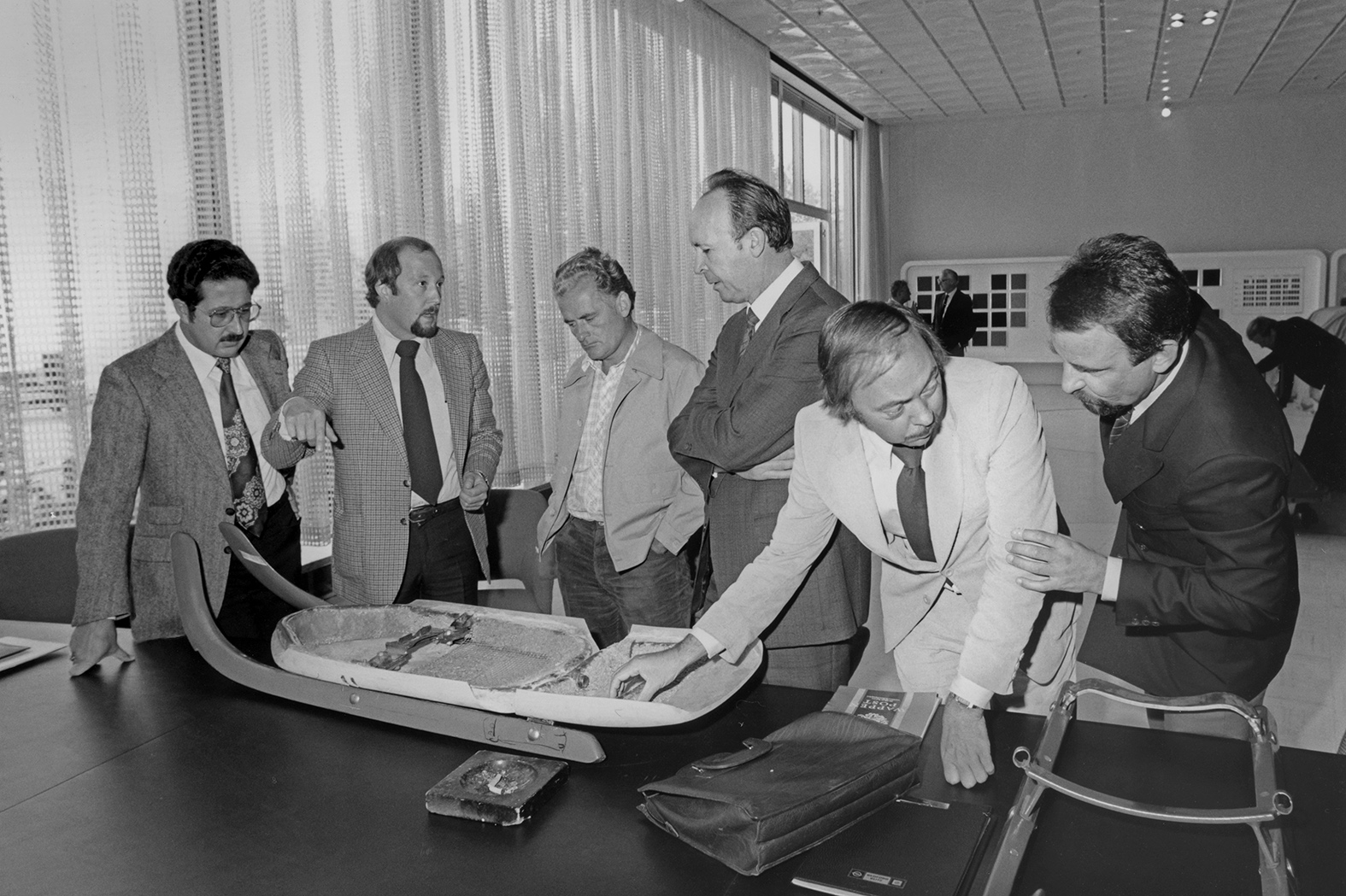
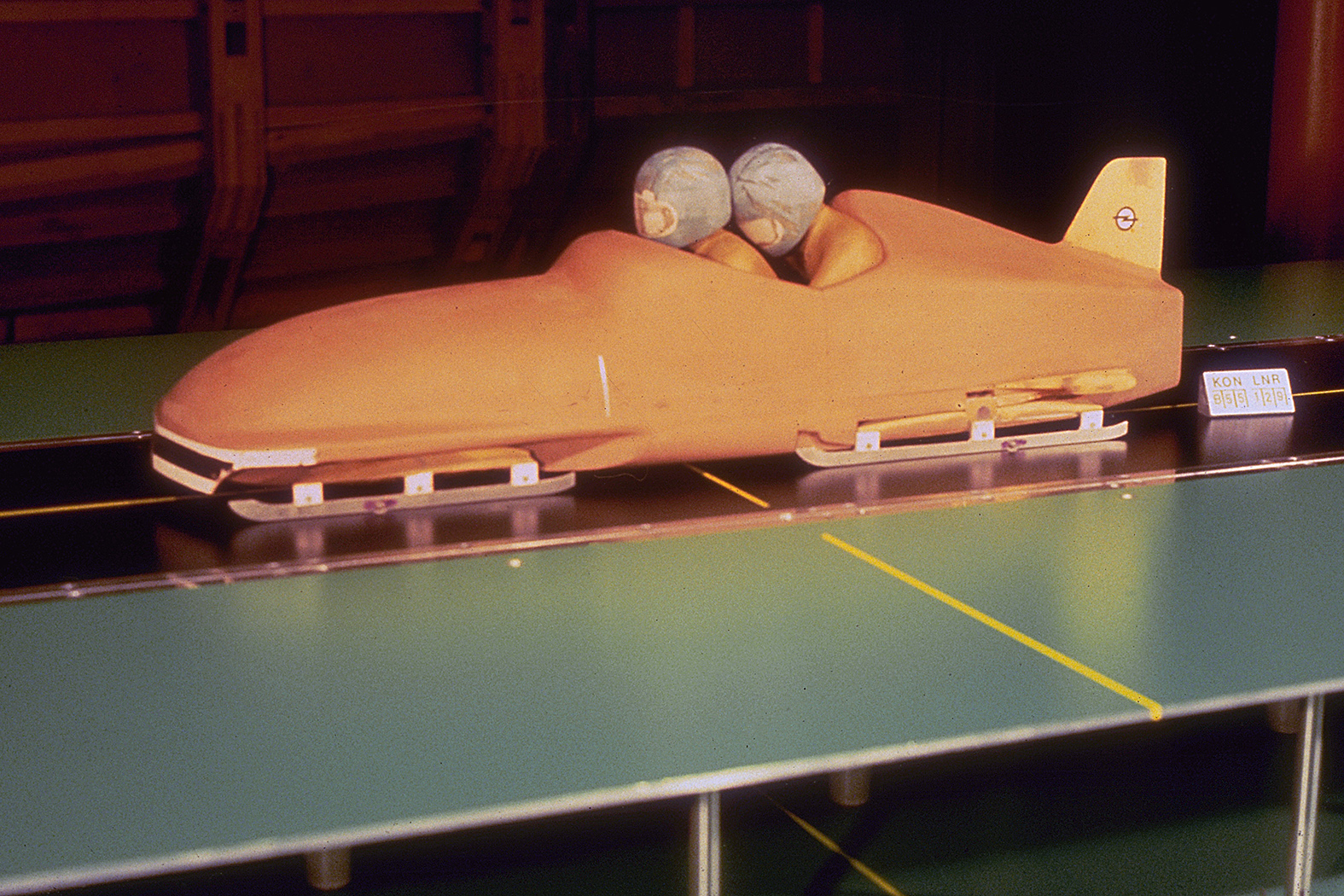
Oberhaus was also involved in key future technologies that have had a lasting impact on Opel and continue to do so: front- and all-wheel drive, injection engines, independent suspension, catalytic converter and plastic recycling. His technical work extended beyond classic automobile construction – for example, the Opel bobsleigh for the 1980 Winter Olympics, which set international standards with innovative aerodynamics.
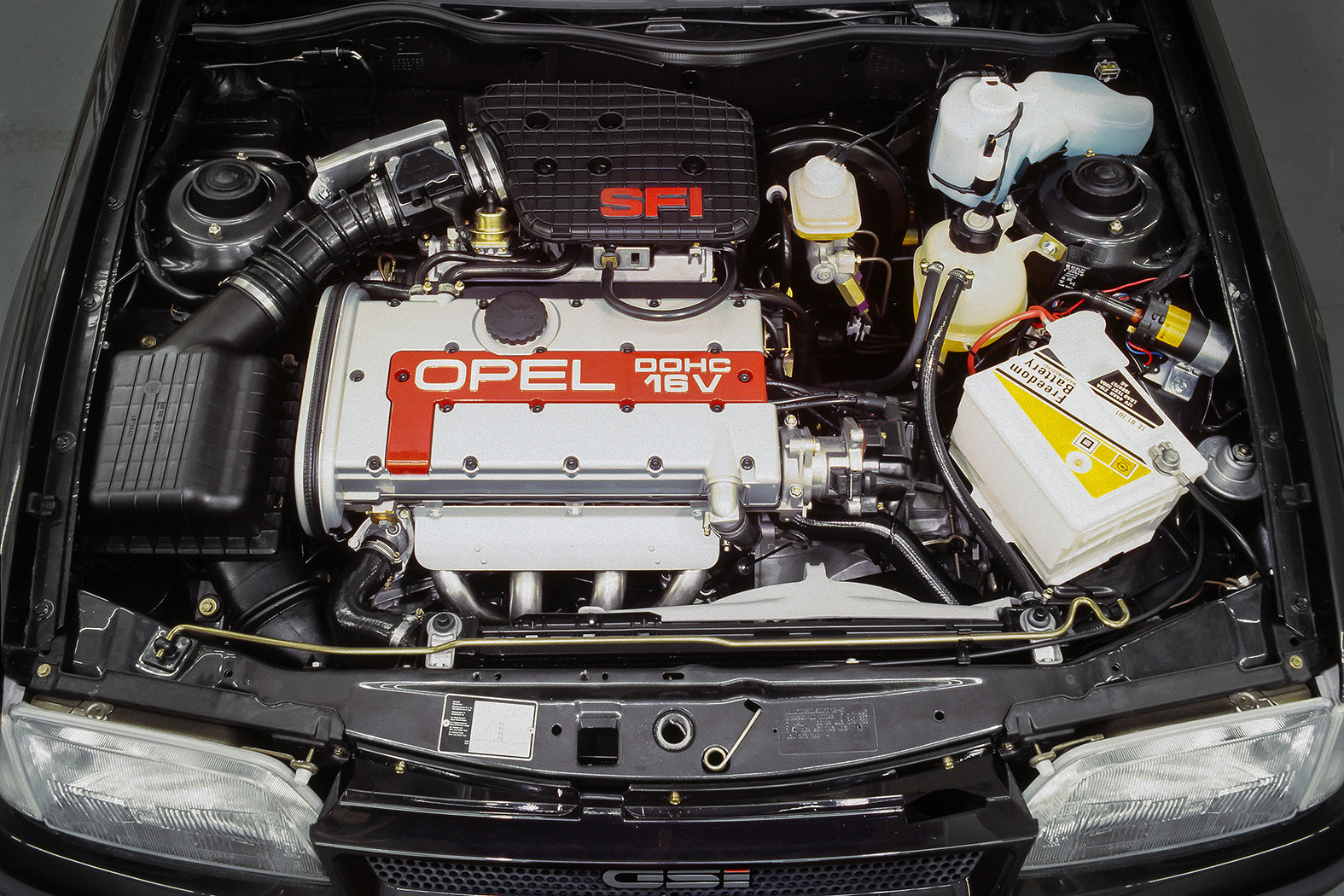
Herbert Oberhaus was particularly proud of the legendary C20XE engine, for which he was responsible as chief engineer for powertrains. The 150 hp two-liter 16V four-cylinder engine was long considered technically and economically hardly feasible. However, thanks to the close integration of development and production, he succeeded in bringing this engine into series production – and thus set new standards in the competitive environment.
He maintained his keen eye for technical details and the instinct of an engineer even after retiring. Anyone who spoke to him quickly realised that Herbert Oberhaus still thought like an engineer – analytical, precise and passionate. And Opel was always more than an employer for him. “I’m proud to drive Opel,” he once said. This identification shaped his entire professional life.
In the early 1990s, he spent three years as an engine development consultant at the then parent company General Motors in the USA – a time that he found enriching despite cultural differences. Despite all his successes, Herbert Oberhaus always remained down-to-earth, collegial and approachable. In photos you can almost always see him smiling. Numerous awards and honours testify to the high esteem in which he was held within the company and in the professional world.
In 1991, Herbert Oberhaus retired from professional life. It was difficult for him to say goodbye – the connection to “his” Opel remained until the end. Herbert Oberhaus died at the age of 96. With him, Opel loses not only an outstanding engineer, but also a person who combined technology with attitude, responsibility and passion. His work still shapes the brand today.
February 2026