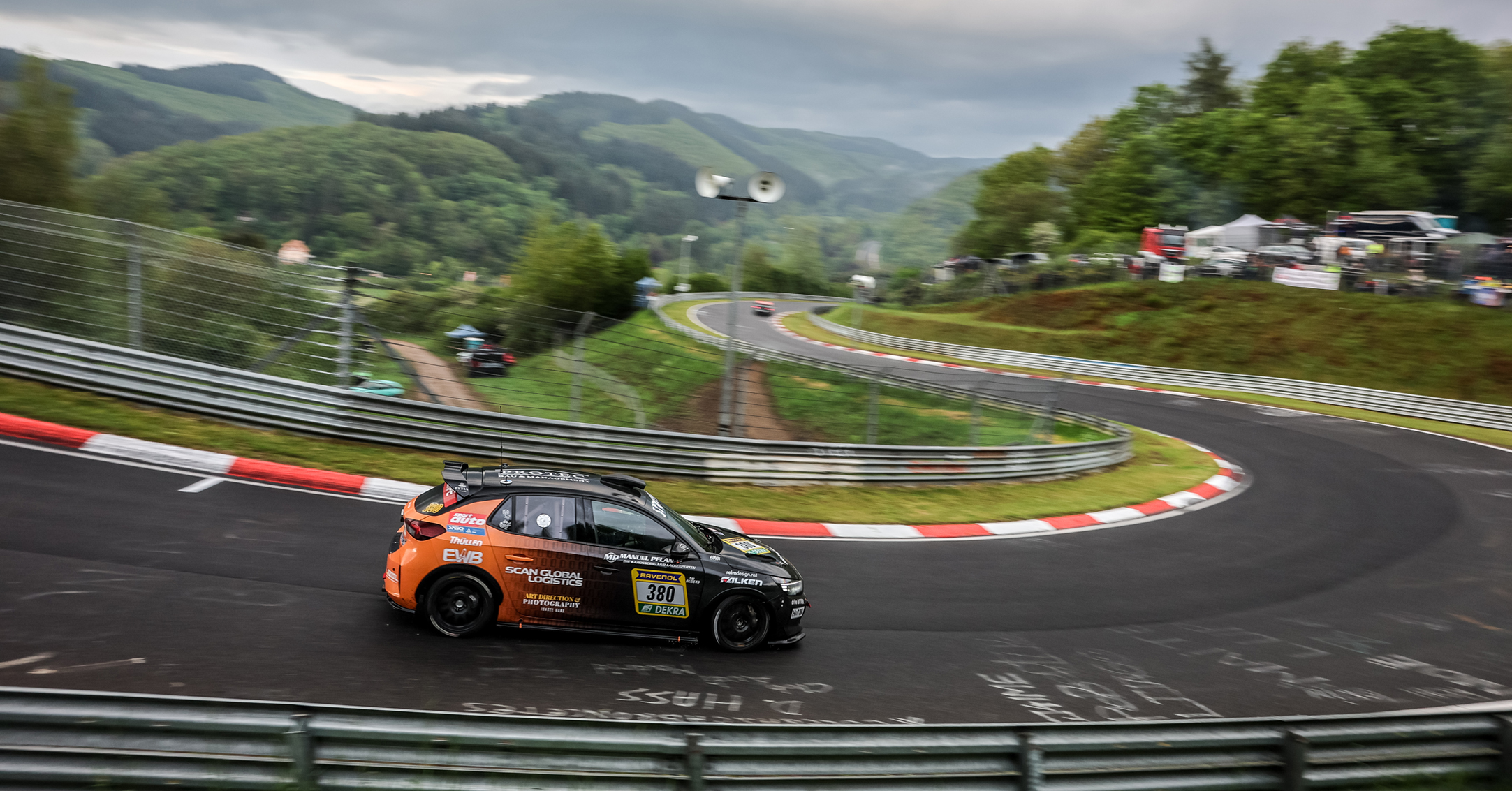
When you think of the Nürburgring – or the ‘Green Hell’, as it is often called – images of high-horsepower super cars come to mind. Hardly anyone would expect a small car with three cylinders that is very close to its serial production counterparts on this famous track. And then came Markus Bitter. With a converted Opel Corsa GS Line 130 and his small team, he set out to conquer the Ring.
The name Bitter is closely associated with Opel and German motorsport. The legendary racing driver and automobile designer Erich Bitter developed the Bitter CD based on the Opel Diplomat as early as the end of the 1960s. To this day, the vehicle is considered one of the most beautiful German coupés ever among automotive nostalgics. His nephew Markus Bitter joined the family business in 2017 and aligned the brand with modern Opel models. Today, the company, based in Aichwald near Stuttgart, transforms production vehicles such as the Mokka, Astra and Corsa into sporty, dynamic eye-catchers with an individual character.
Why not take the smallest Opel to the world’s most difficult race track?
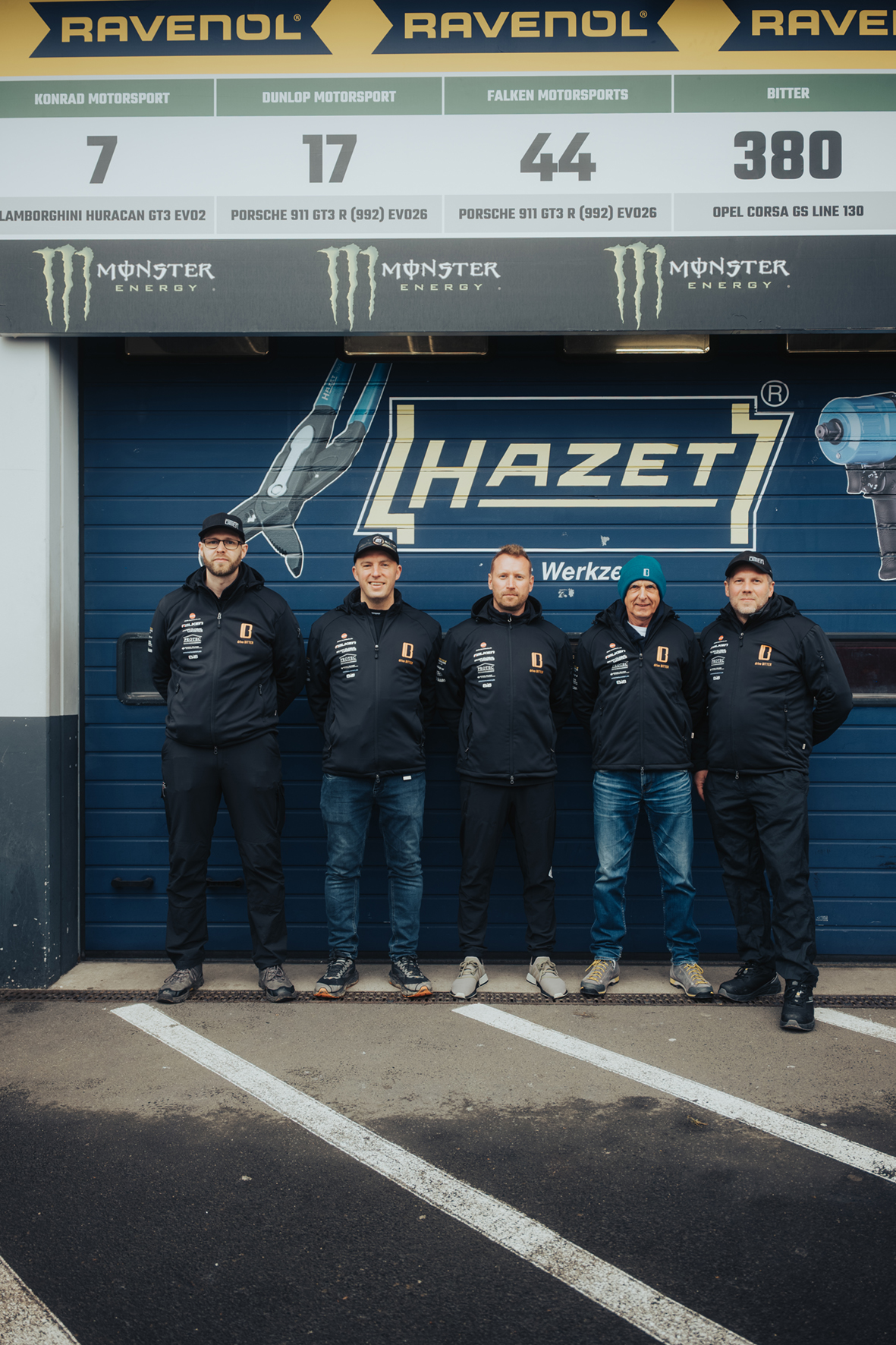
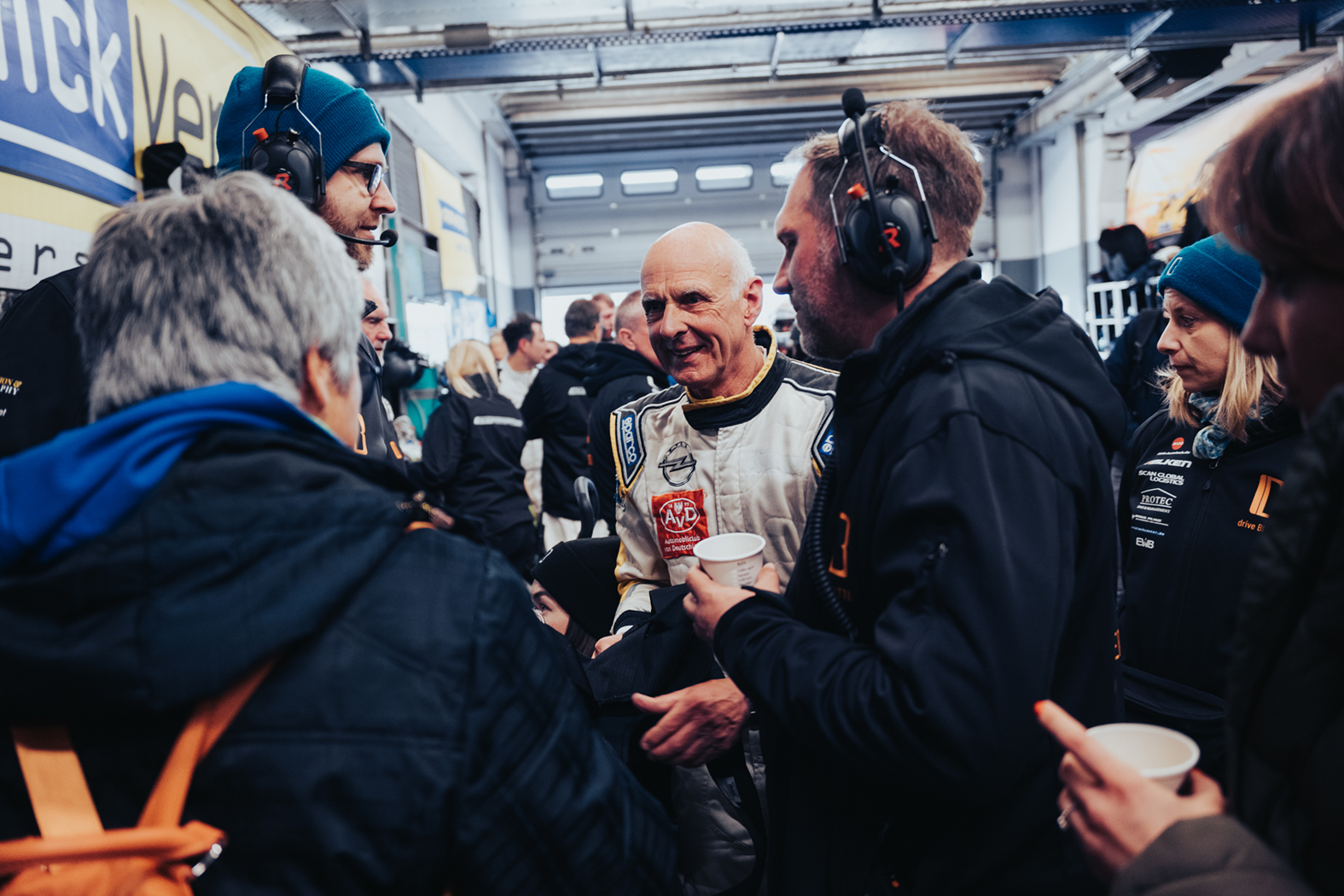
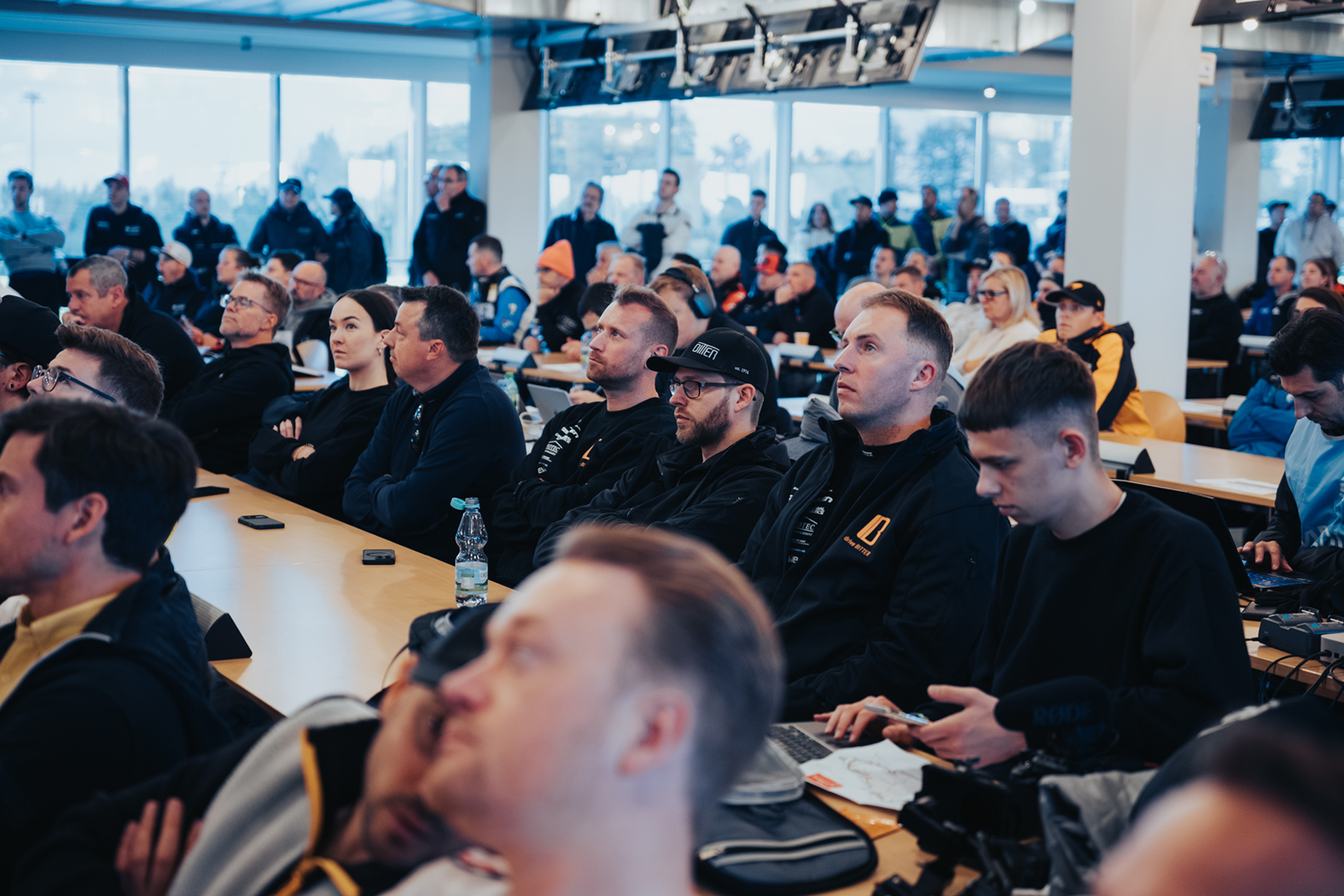
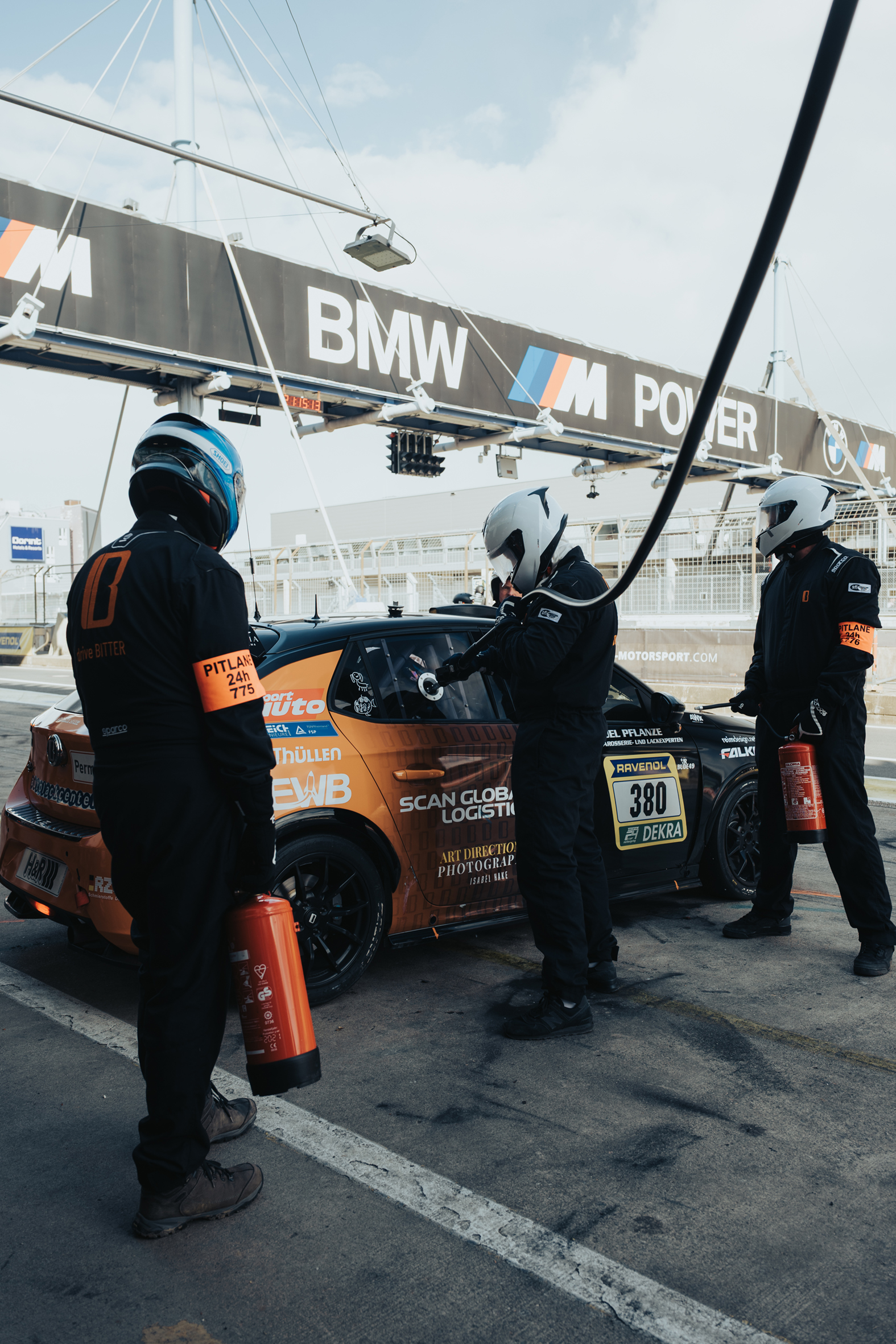
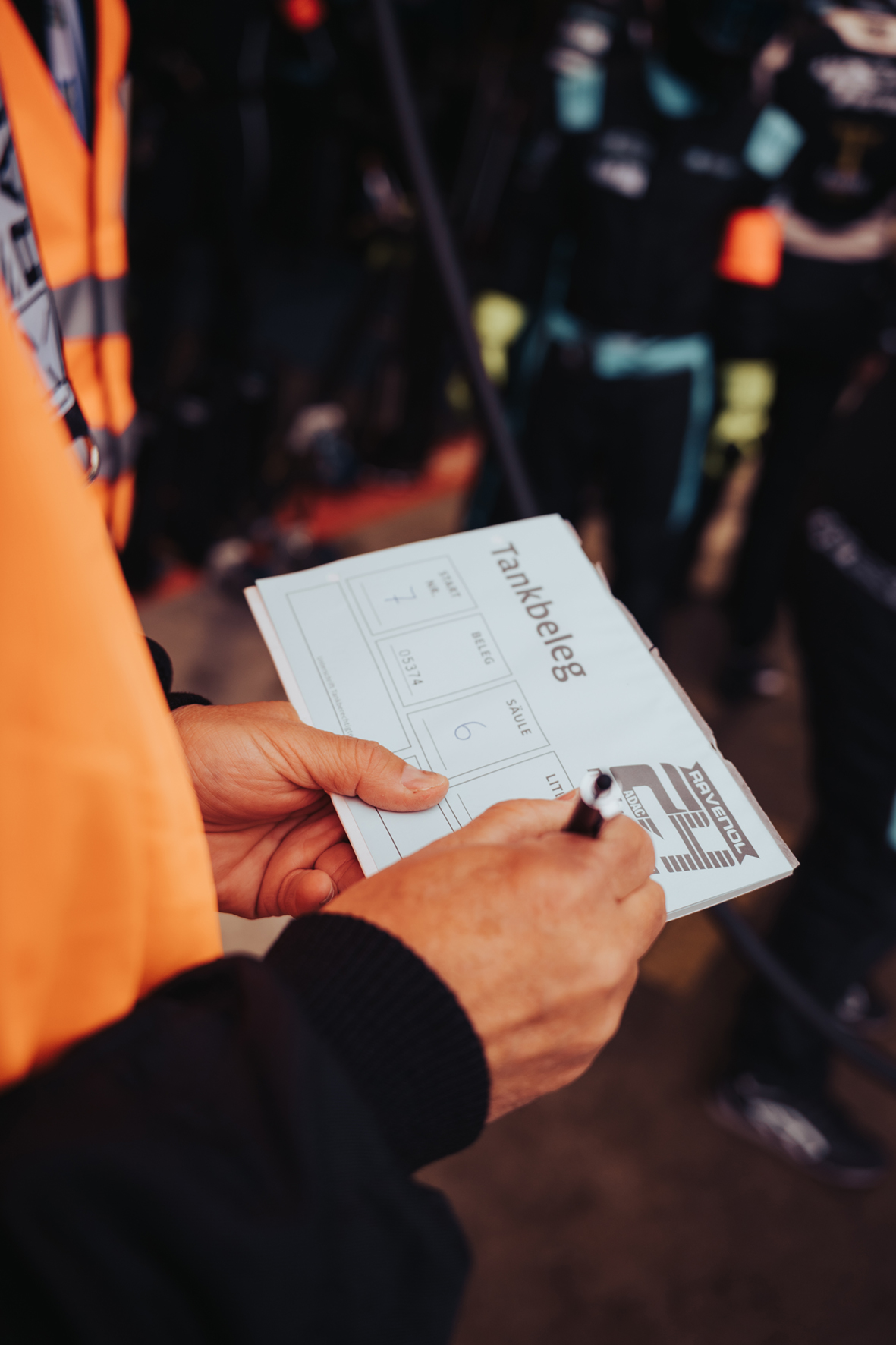
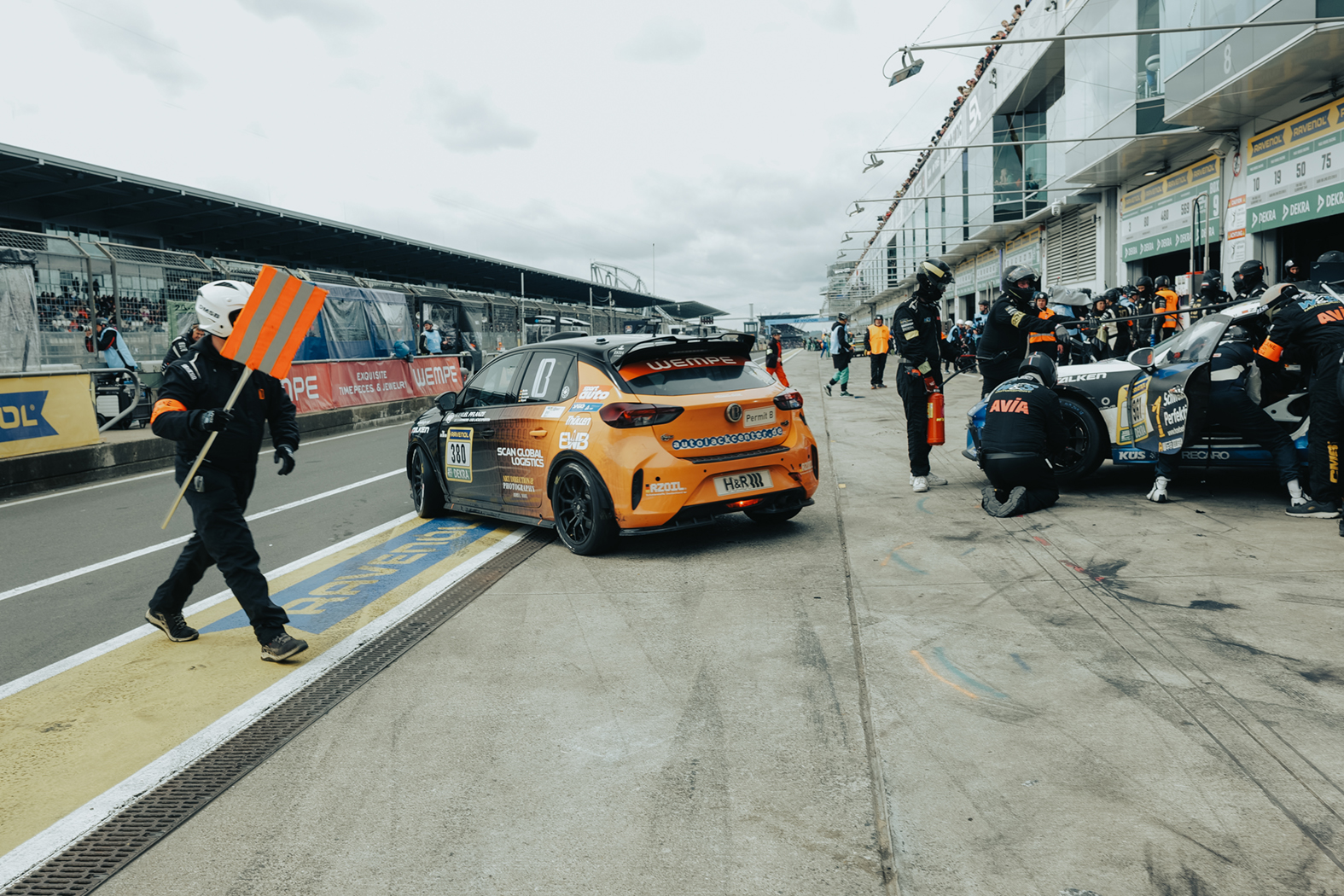
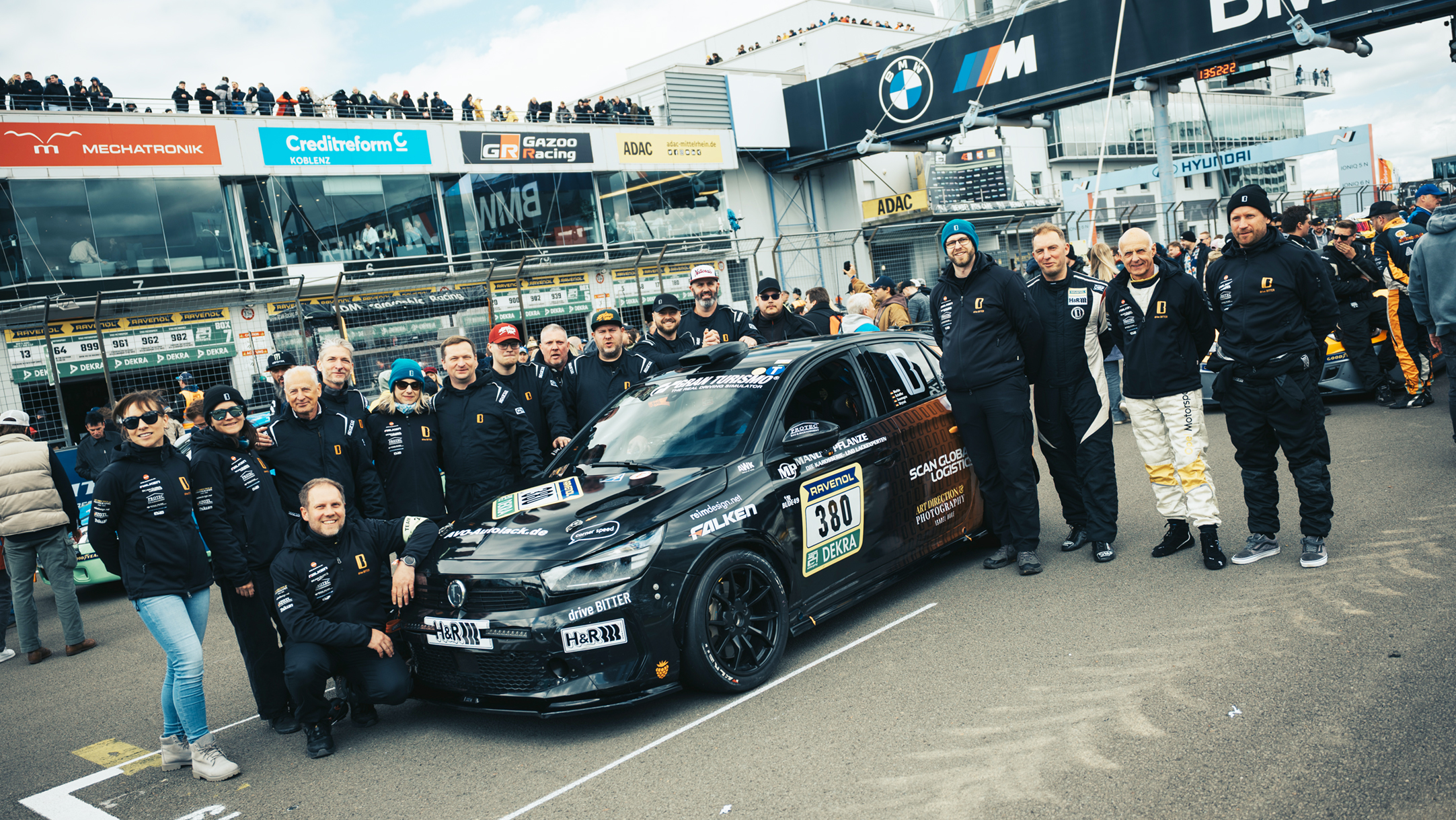
It was precisely this focus on compact, emotional vehicles that gave Markus Bitter an unusual idea: Why not take the smallest model in the range to the world’s most difficult race track? In 2023, he therefore founded the “Road to 24h Nürburgring” project. Together with a team of like-minded people, they gradually created their own racing car based on the Opel Corsa Rally4 – the Bitter Racer 2, or BR2 for short.
Initially, the team competed in smaller motorsport events at the Nürburgring, later in the Nürburgring Circuit Challenge and finally in the Nürburgring Endurance Series – the racing series that is considered the most important preparation for the legendary 24-hour race.
The continuous development progress finally aroused Volker Strycek’s interest. The former head of the Opel Performance Centre, long-time Opel works driver and Nürburgring record holder has been one of the most influential personalities in German touring car racing for decades. Strycek celebrated numerous victories and titles behind the wheel of Opel vehicles – including overall victory in the 24-hour race at the Nürburgring in 2003.
At the end of 2024, the exceptional driver tested the BR2 for the first time on the Nordschleife – and was immediately enthusiastic. Although the compact Corsa, with its around 180 hp, is significantly weaker on paper than many of the competing vehicles, it impressed with its agility, steering behaviour and impressive cornering speed. While more powerful vehicles show their performance mainly on the straights, the small Opel scores exactly where the Nordschleife is most demanding: in the fast and technically difficult cornering sections. Strycek was particularly impressed by the high ‘corner speed’, i.e. the speed that the BR2 was able to carry through the corners.
“Sometimes the Japanese were in front, then we were ahead again. But from lap 69 onwards we gradually made up ground.”
– Markus Bitter, Bitter Motorsport –
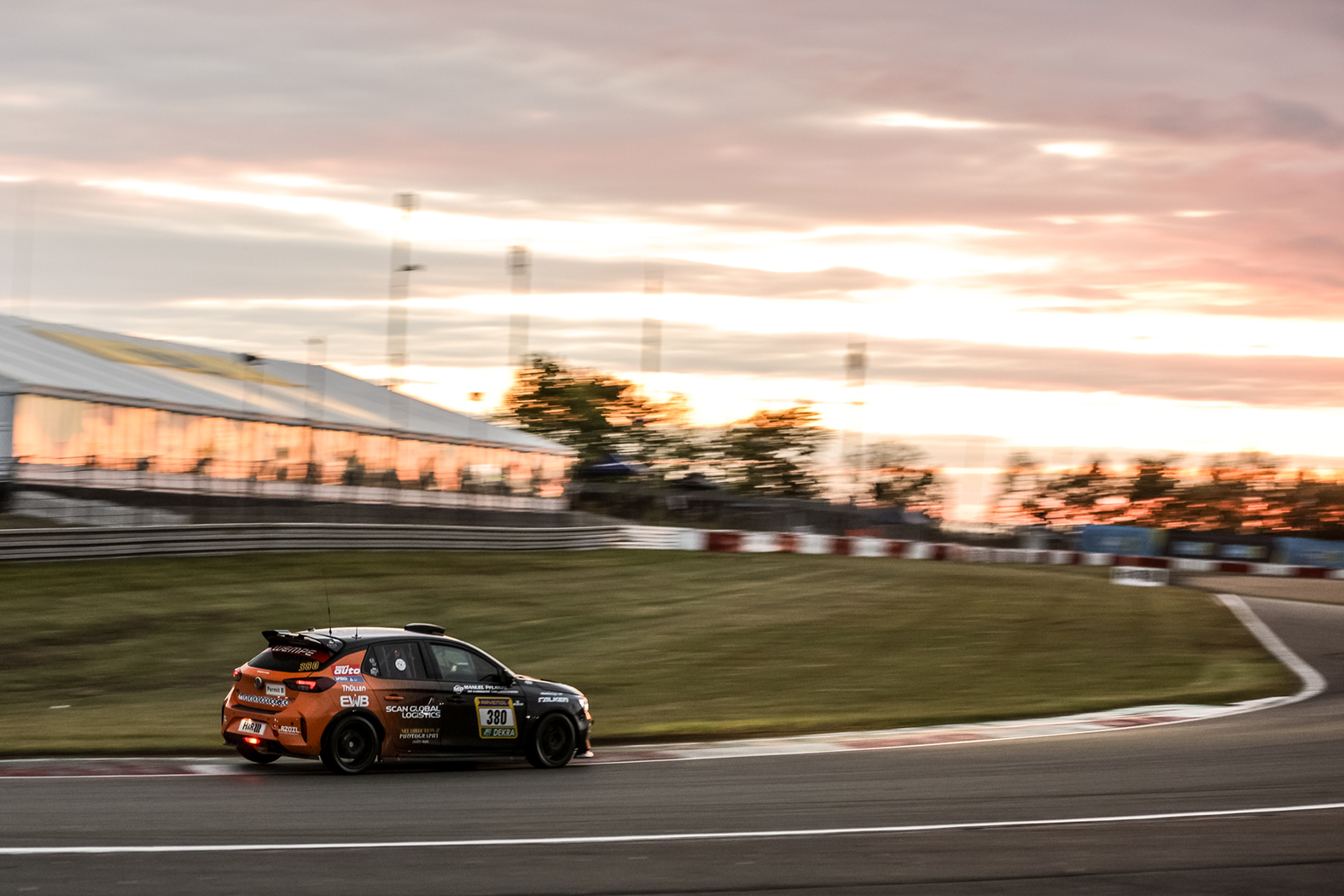
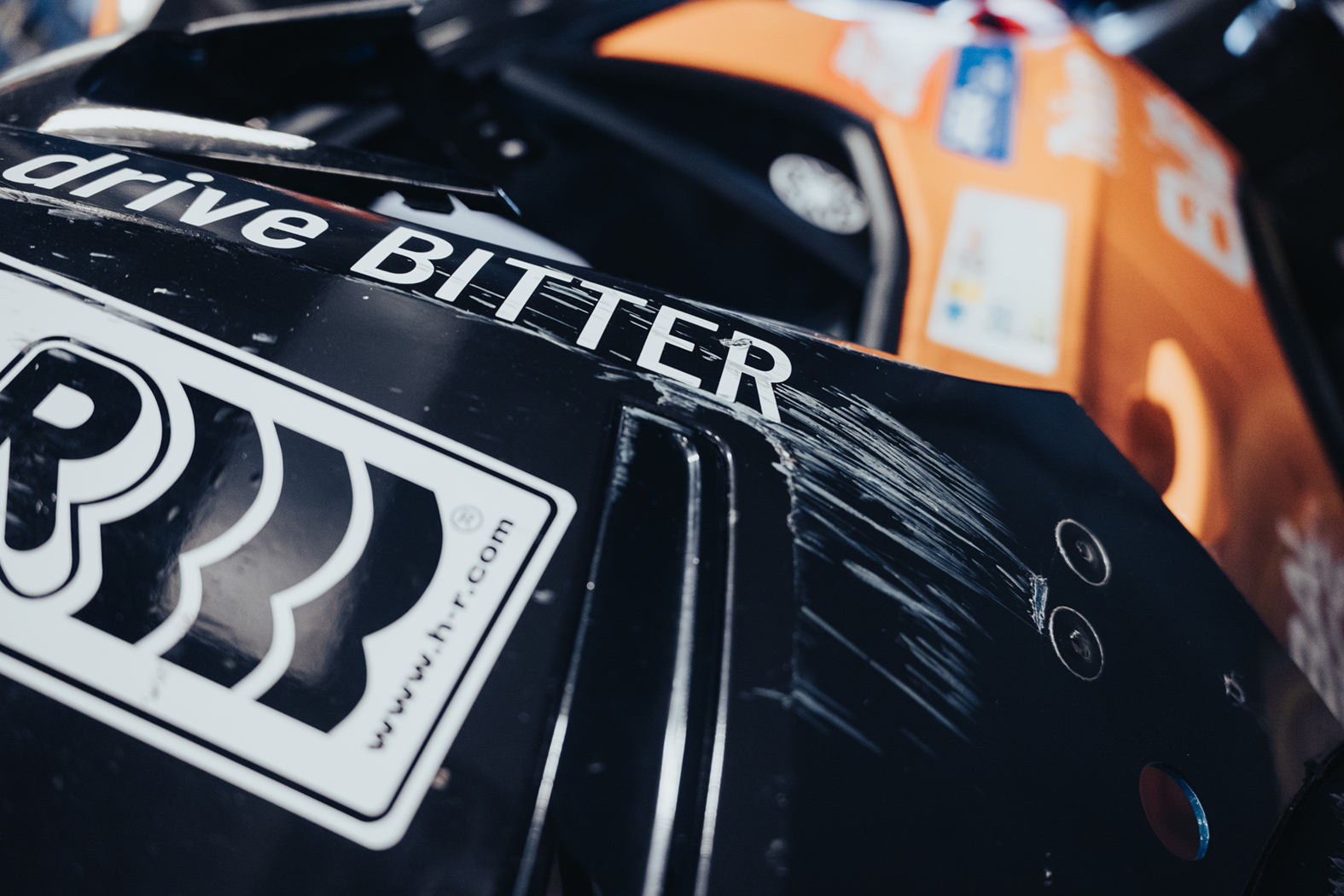
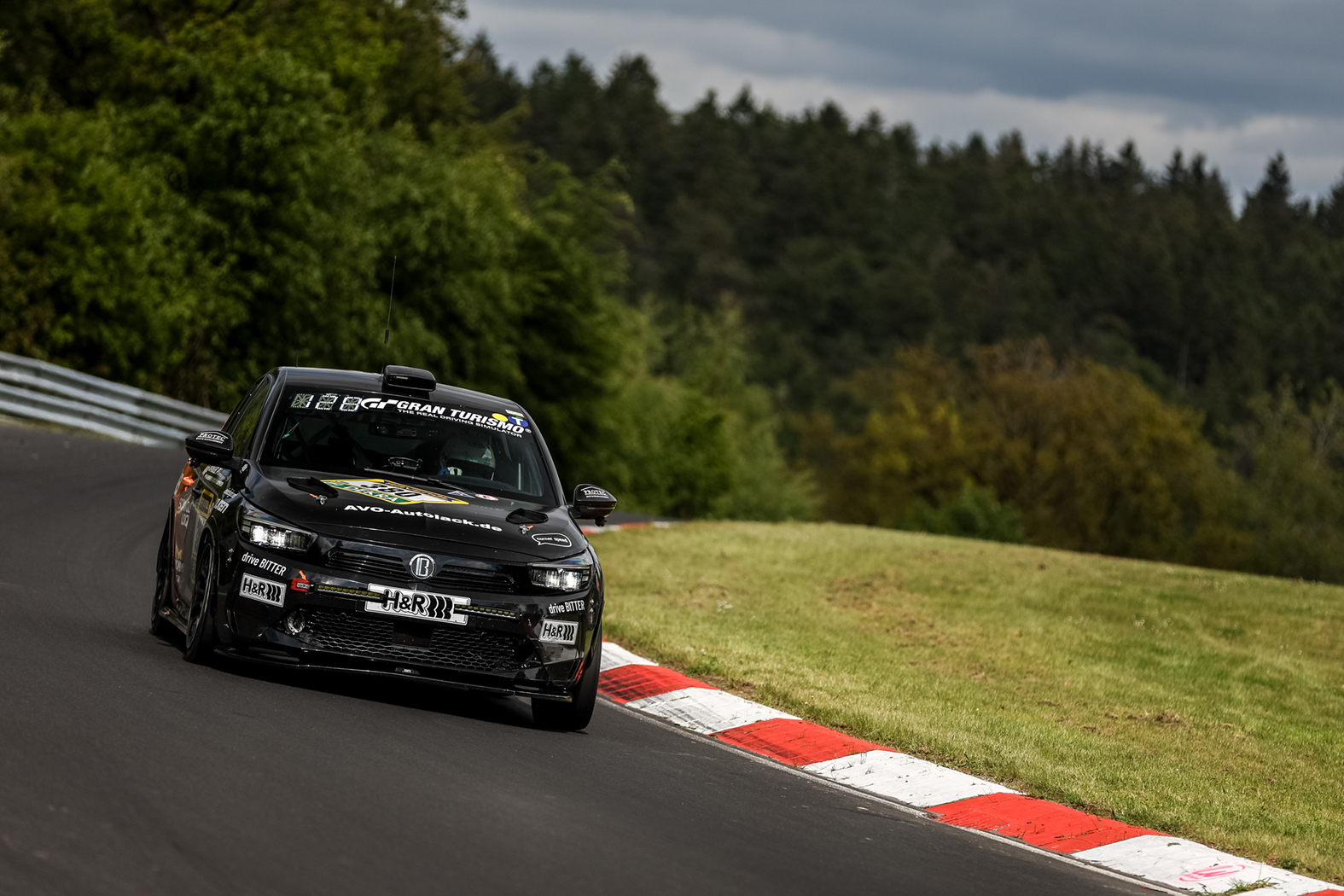
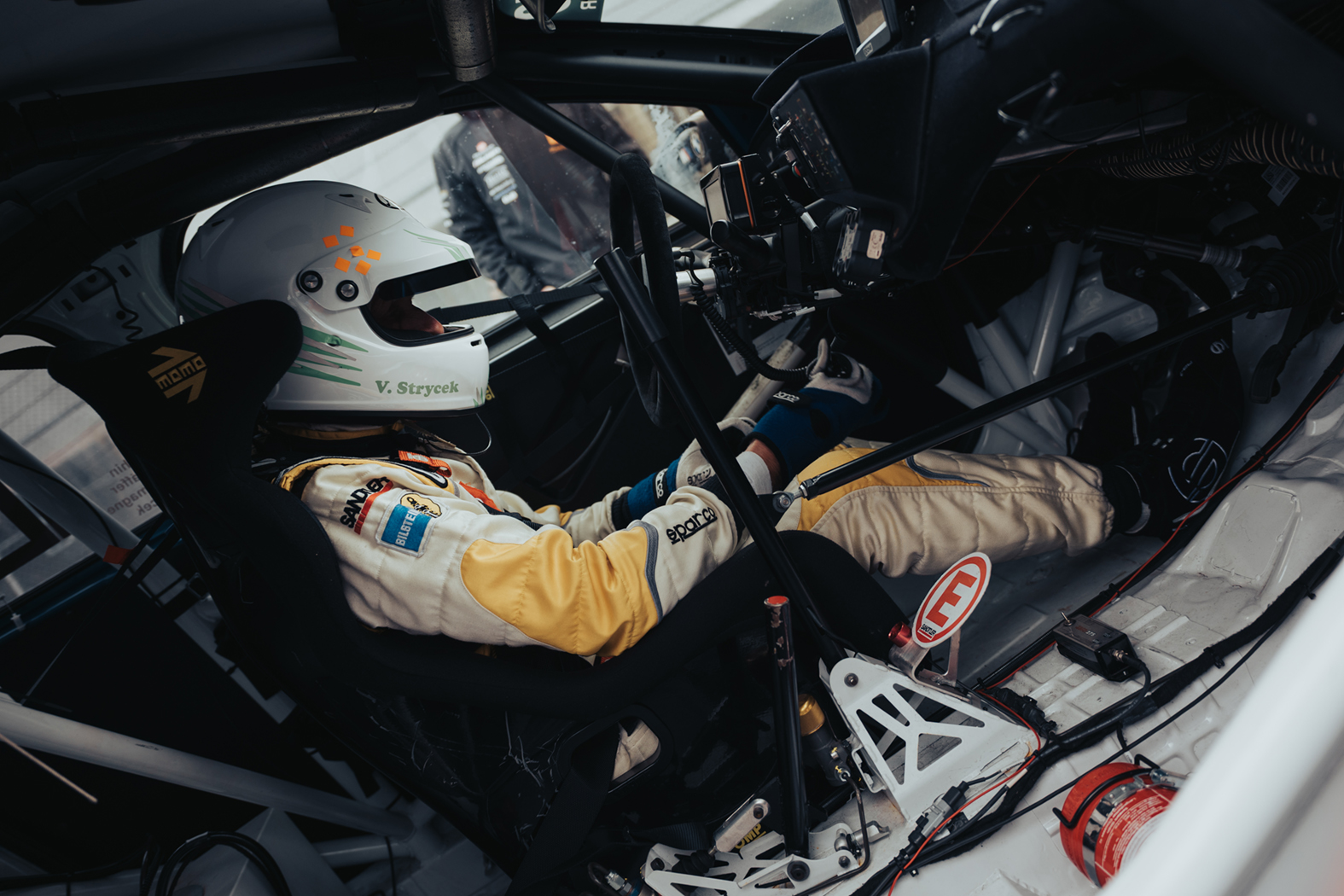
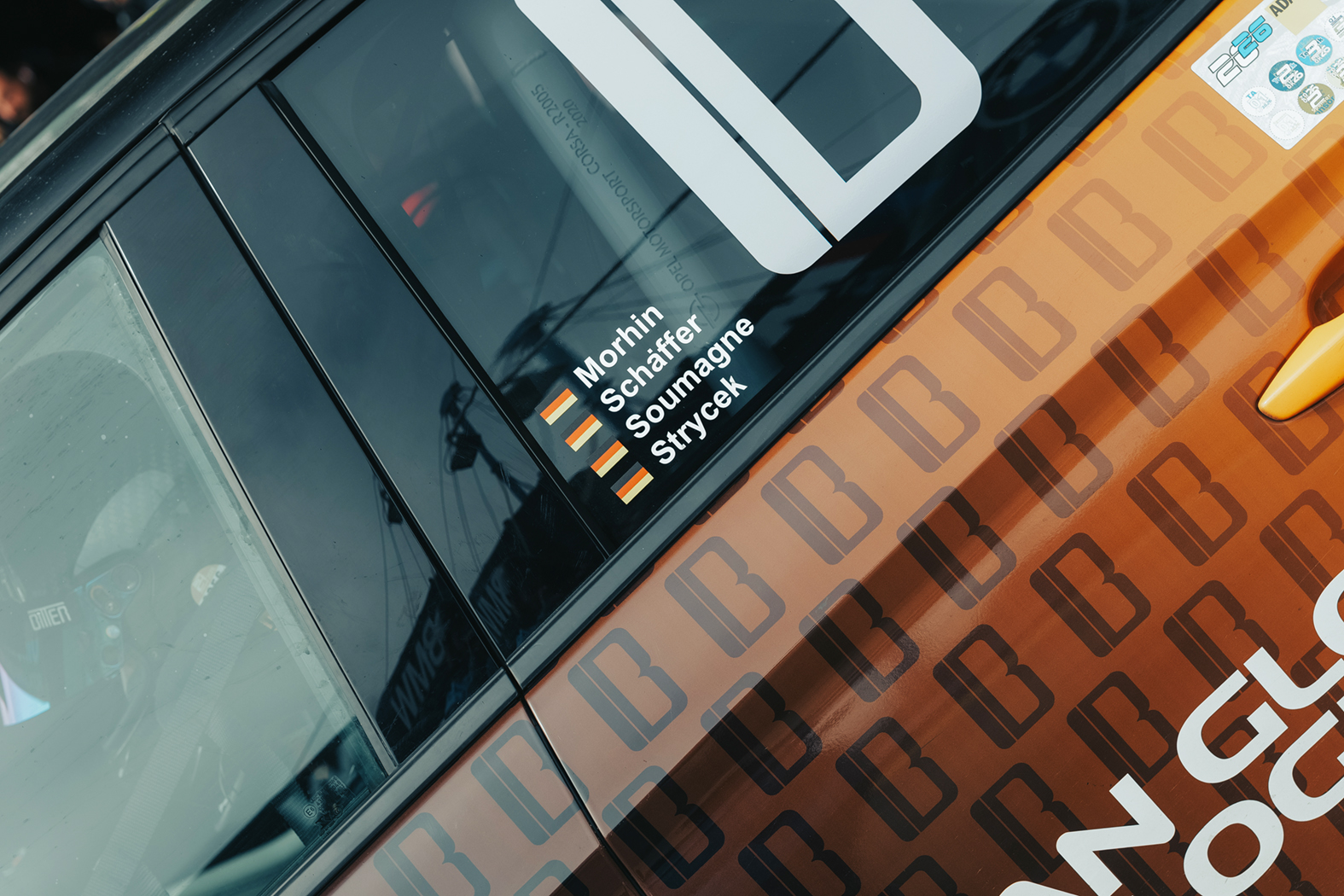
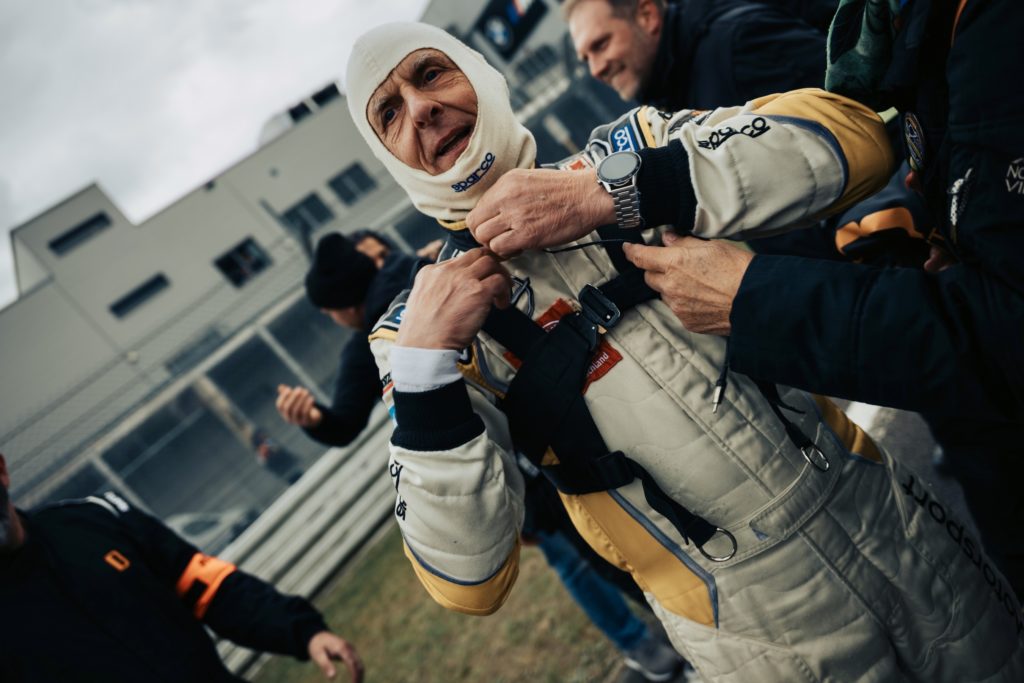
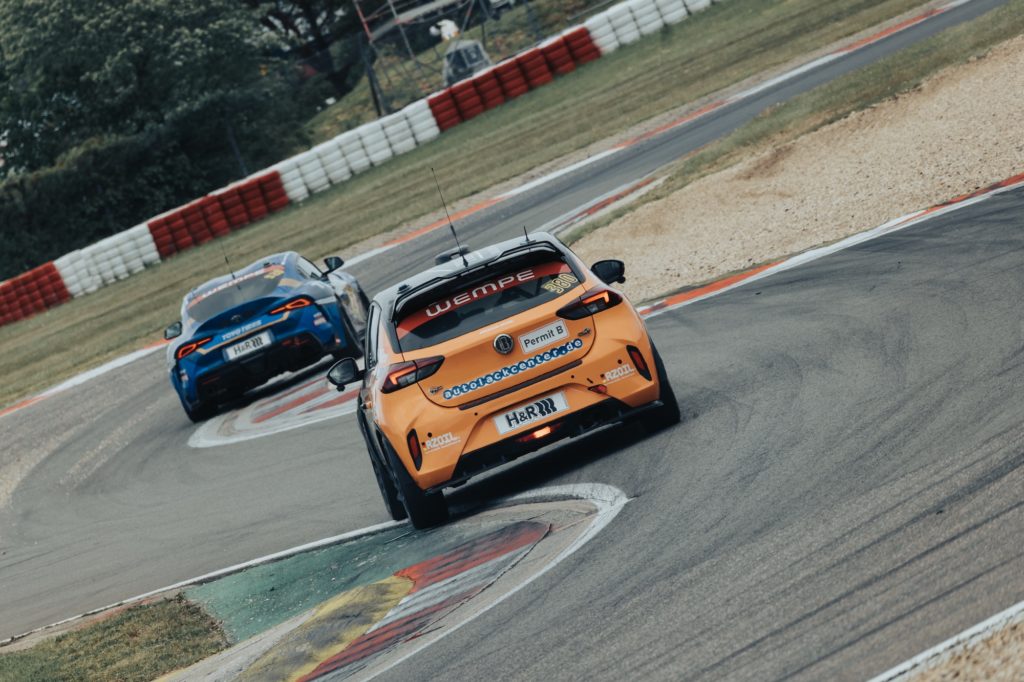
So, it was clear: The little outsider was ready for the biggest stage of endurance racing. At this year’s 24-hour race in May, Strycek drove the BR2 in the SP2T class for production-based touring cars and compact vehicles with turbocharging together with his Bitter teammates Christian Schäffer, Björn Morhin and Jan Soumagne. There, the team – in addition to a total of 161 cars in the field – met two Toyota Yaris, which were more than 100 hp more powerful and were additionally supported by the Toyota Motorsport works team. According to the press, the BR2 was considered the least powerful vehicle in the entire class – and thus a clear outsider.
In addition, there were extreme conditions with biting cold, rain and constantly changing track conditions. During the first qualifying sessions on Thursday, it rained so heavily that it was hard to estimate the potential of the car. But lap after lap, the small Opel fought its way into the race. Until lap 69, a thrilling head-to-head race developed in SP2T. “Sometimes the Japanese were two laps ahead, then we were ahead again. From then on, however, we gradually made up ground,” says Markus Bitter.
“First belittled, then admired – there’s nothing more beautiful.”
– Volker Strycek –
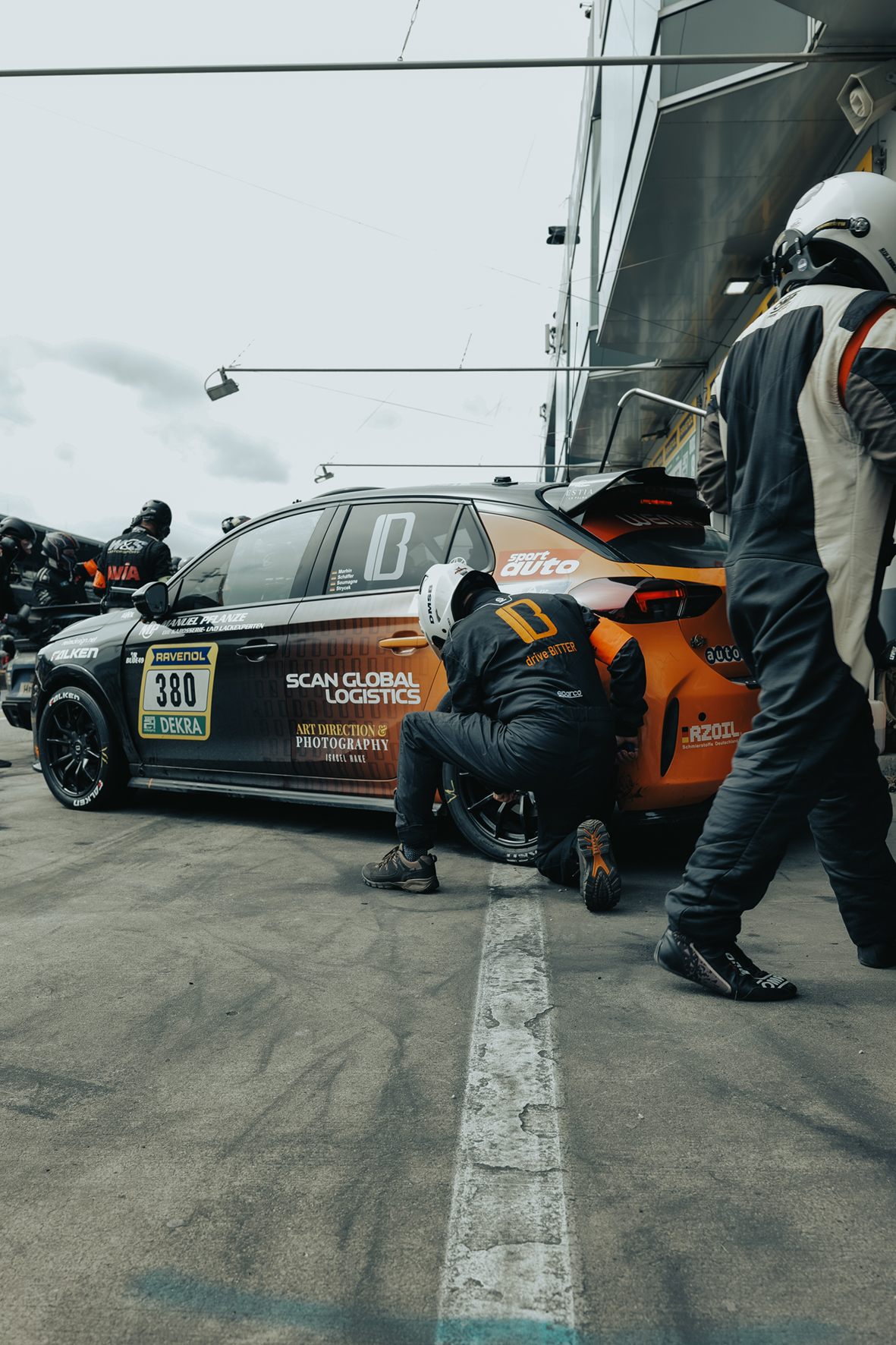
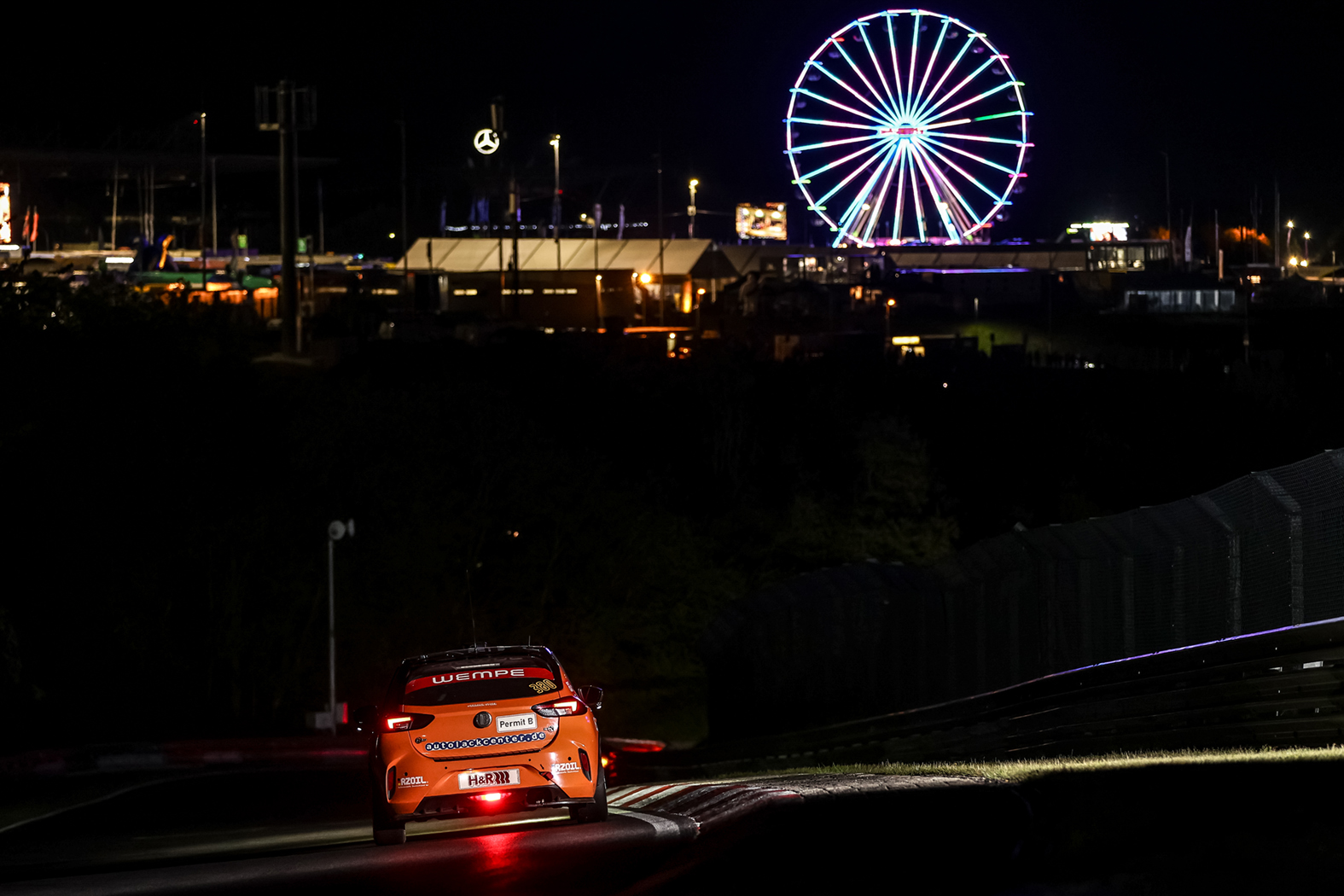
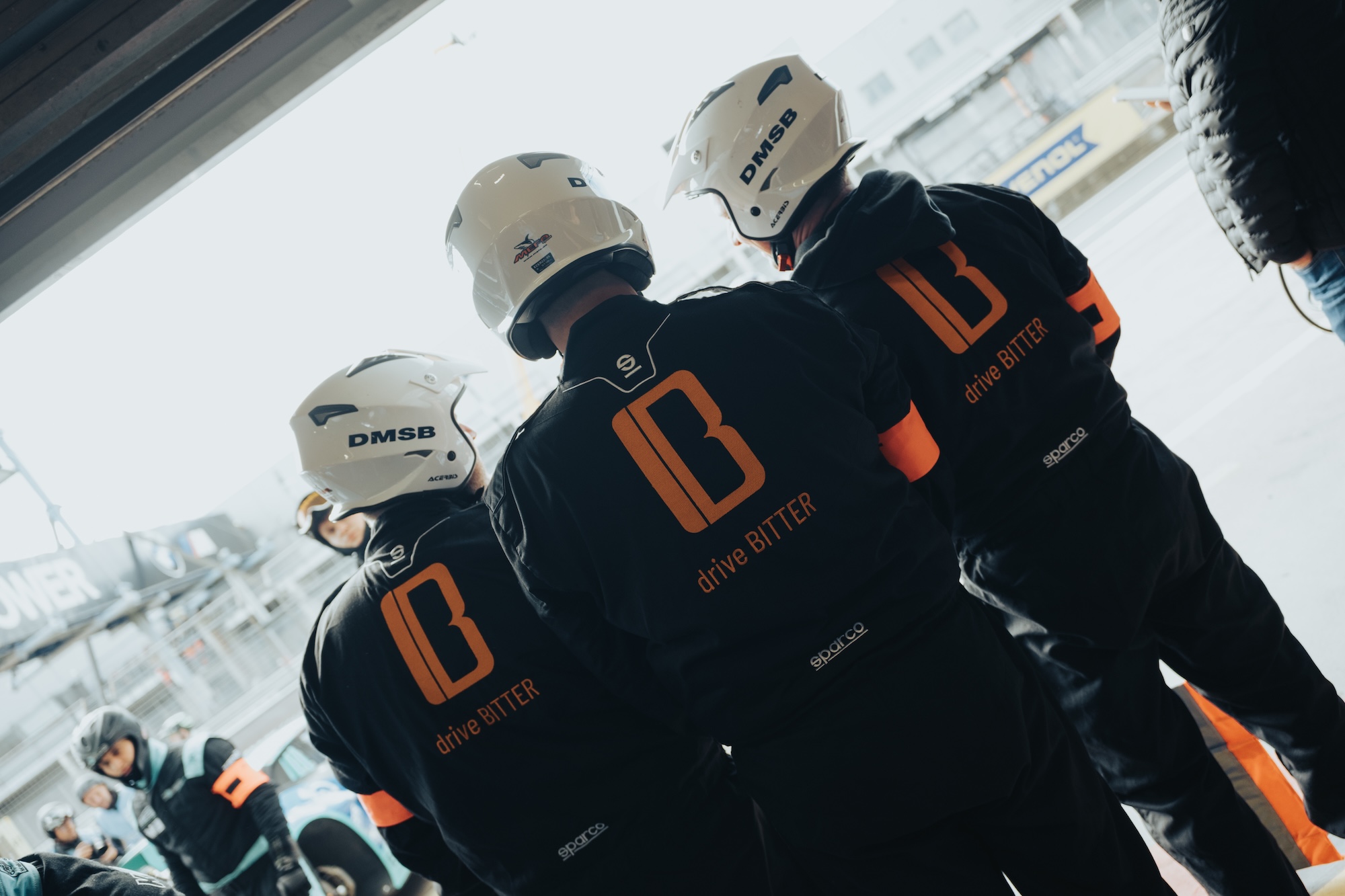
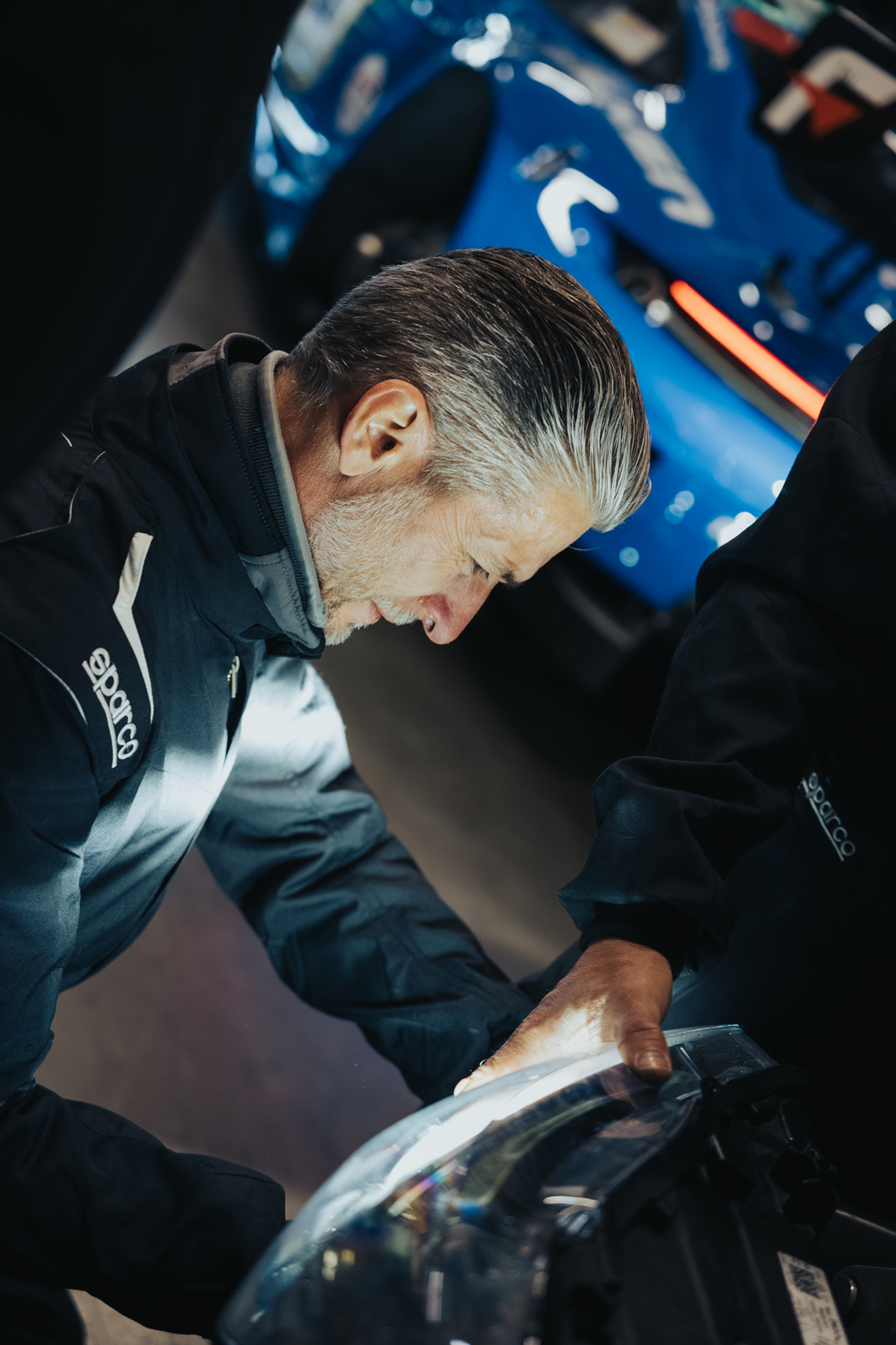
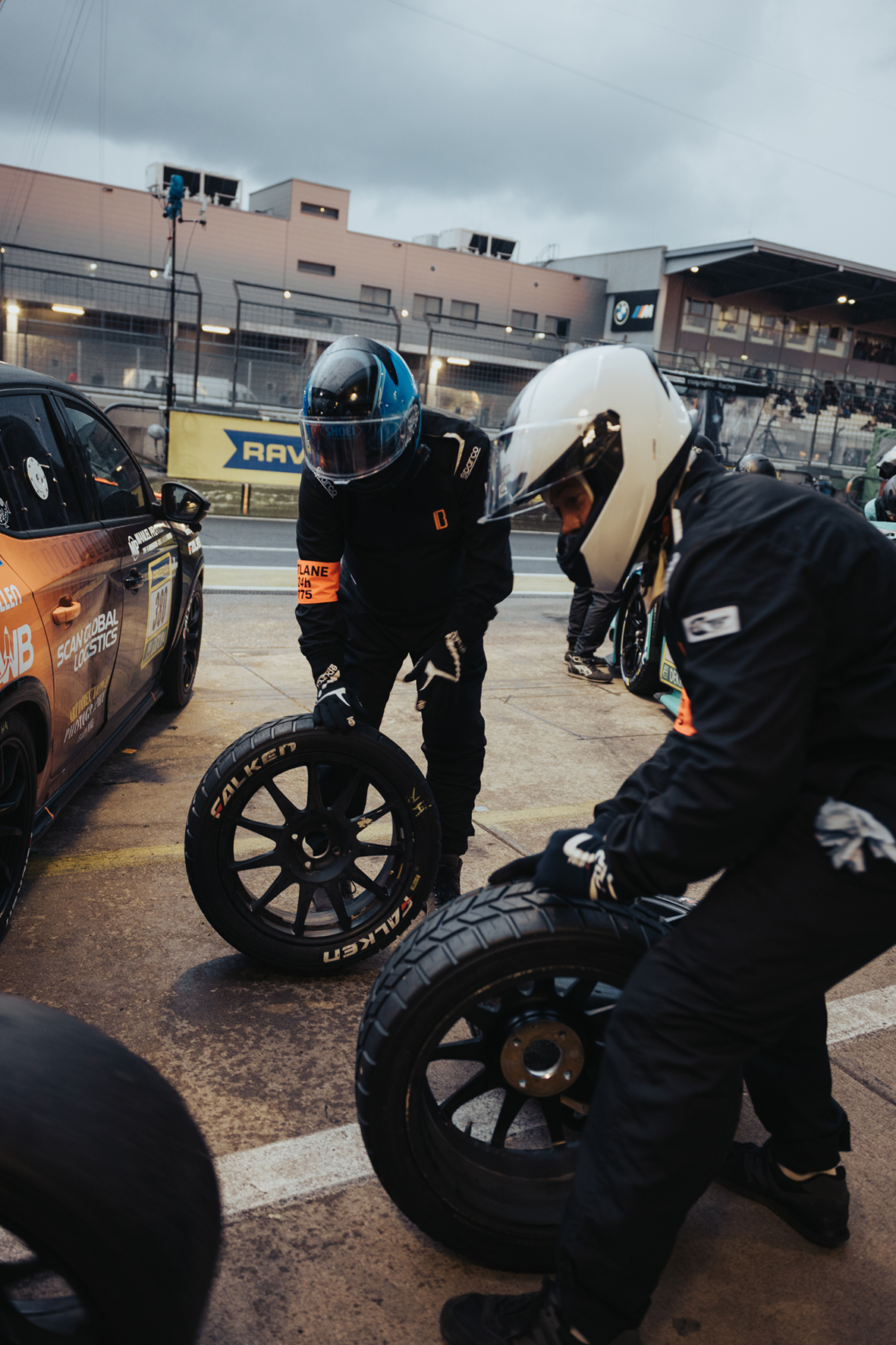
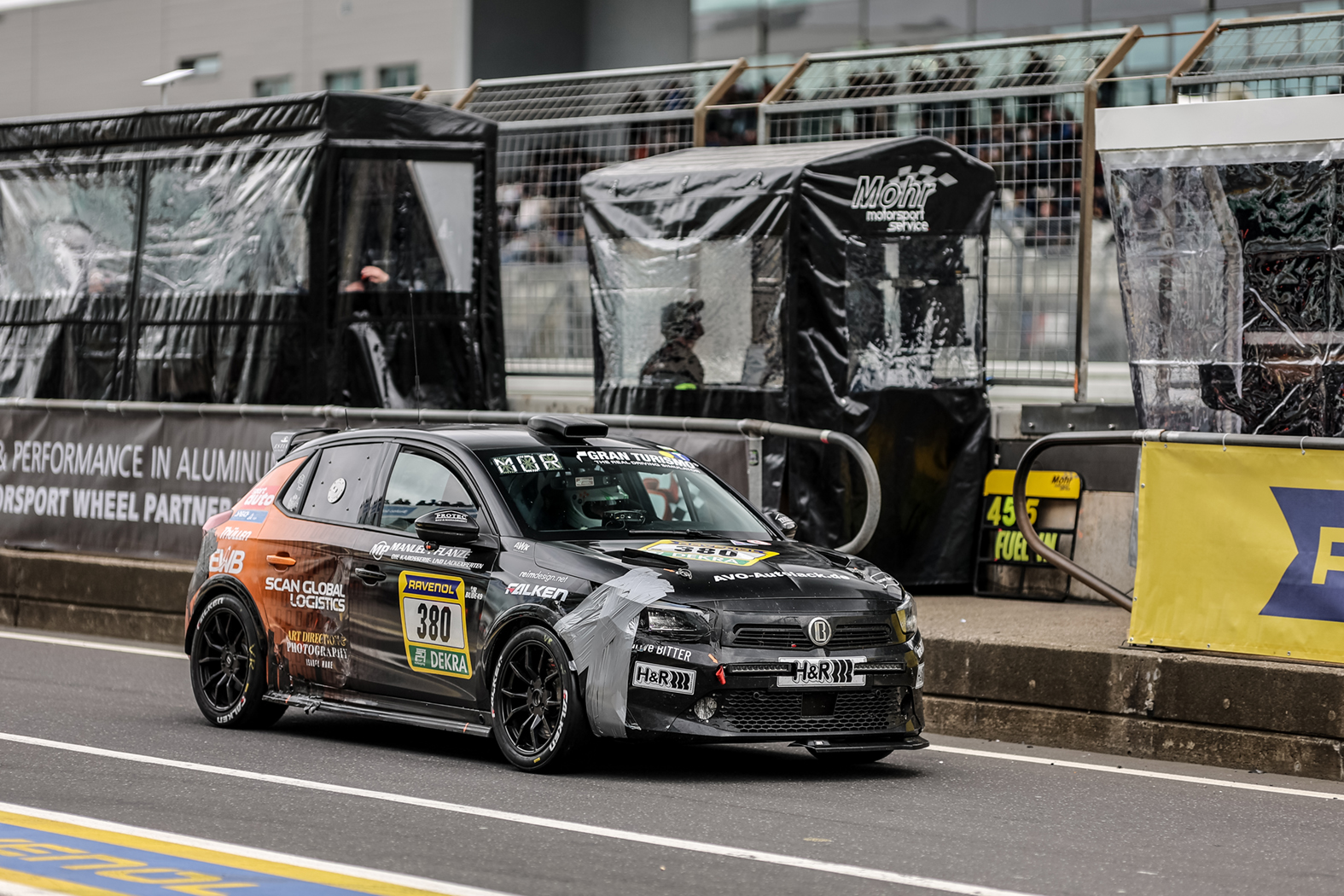
It was a tough fight. The BR2 was touched several times and pushed off the track. Nevertheless, the Opel continued without technical problems, left its competitors behind and finally reached the finish. After 24 hours, the Corsa had completed 109 laps on the approximately 25-kilometre track. In front of a record crowd of around 352,000 spectators, the team not only took the class win, but even placed 100th in the overall standings.
For Volker Strycek, the success meant another personal milestone: With a total of 16 class victories, he is now the record holder in this discipline together with Heinz-Josef Bermes. And even at the age of 68, he still enjoys every win as if it was his first.
His instinct had not deceived him: “I had often talked to the motorsport bosses of Stellantis and Opel about using a rally car for the circuit,” says the former OPC boss, who still supports Opel in various projects in an advisory capacity – including the development of the Corsa Rally Electric.
It remains to be seen how much Nürburgring history Strycek will write together with the Bitter Motorsport team. Strycek: “First belittled, then admired – there’s nothing more beautiful.” However, one thing is already certain: The surprise winner from the Green Hell is not a one-off. Because the model that Bitter offers differs visually from the race-ready class winner in only a few details – and thus brings a real piece of Nürburgring feeling directly into your own garage.
May 2026