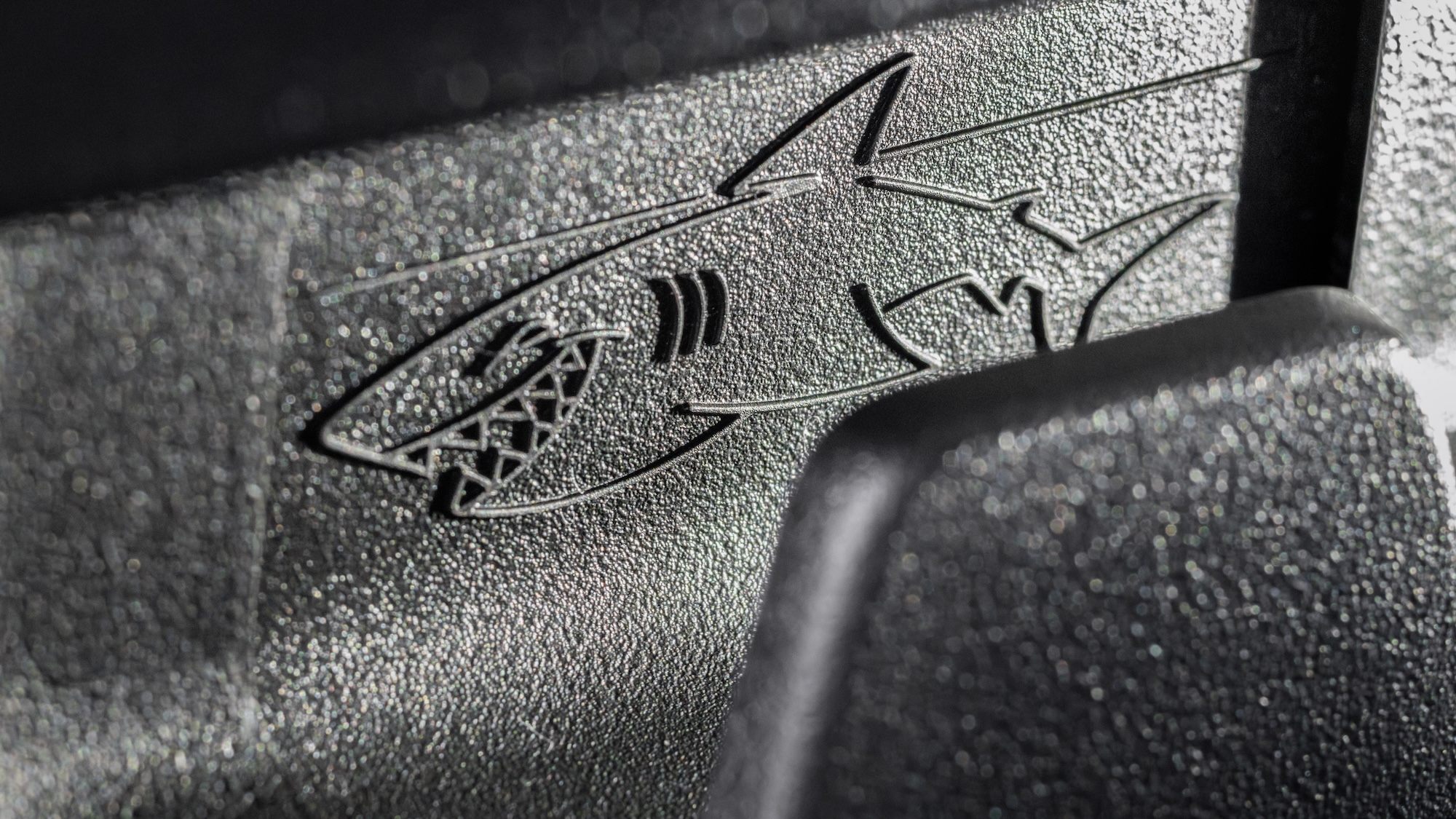
Anyone getting into an Opel is rarely alone. Somewhere in the interior – cleverly concealed and barely larger than a thumb – a small shark has made itself at home. Or perhaps two or three. You don’t spot them straight away. You have to discover them. And that’s exactly the point. What began as a casual idea has become a small ritual for those who like to look a little closer.
And in the new Astra, the search enters the next round.
The compact-class bestseller already makes a confident impression: clean lines, precision, with a sharpened Vizor and a lighting system that does far more than simply illuminate the road. Over 50,000 elements work together in the Intelli-Lux HD light – a small revolution in the compact segment. Add to that the Astra Electric with a range of up to 454 kilometres. Sensible? Yes. Boring? Not at all.
Because somewhere, well hidden, they are lurking again: the sharks.

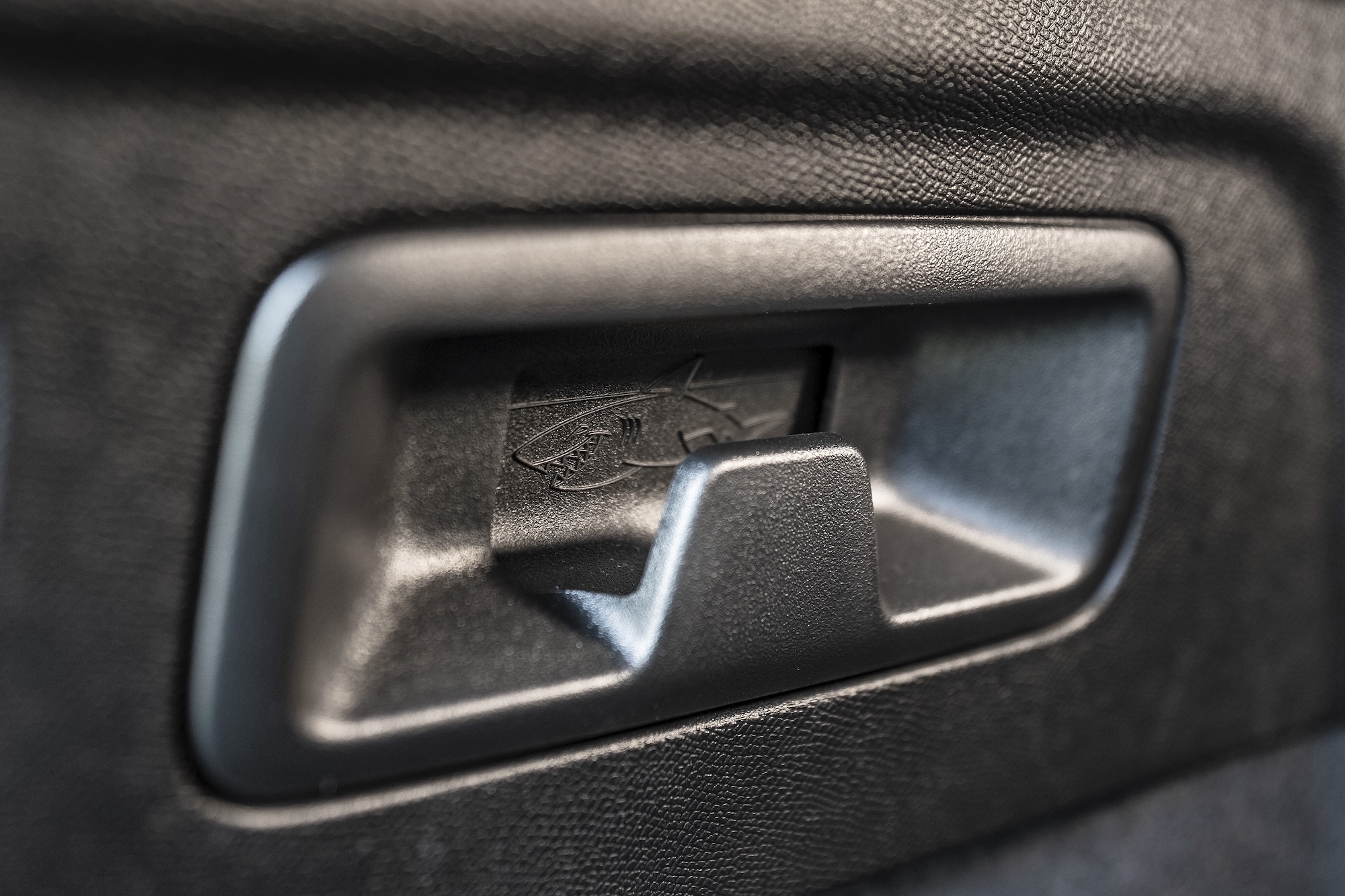
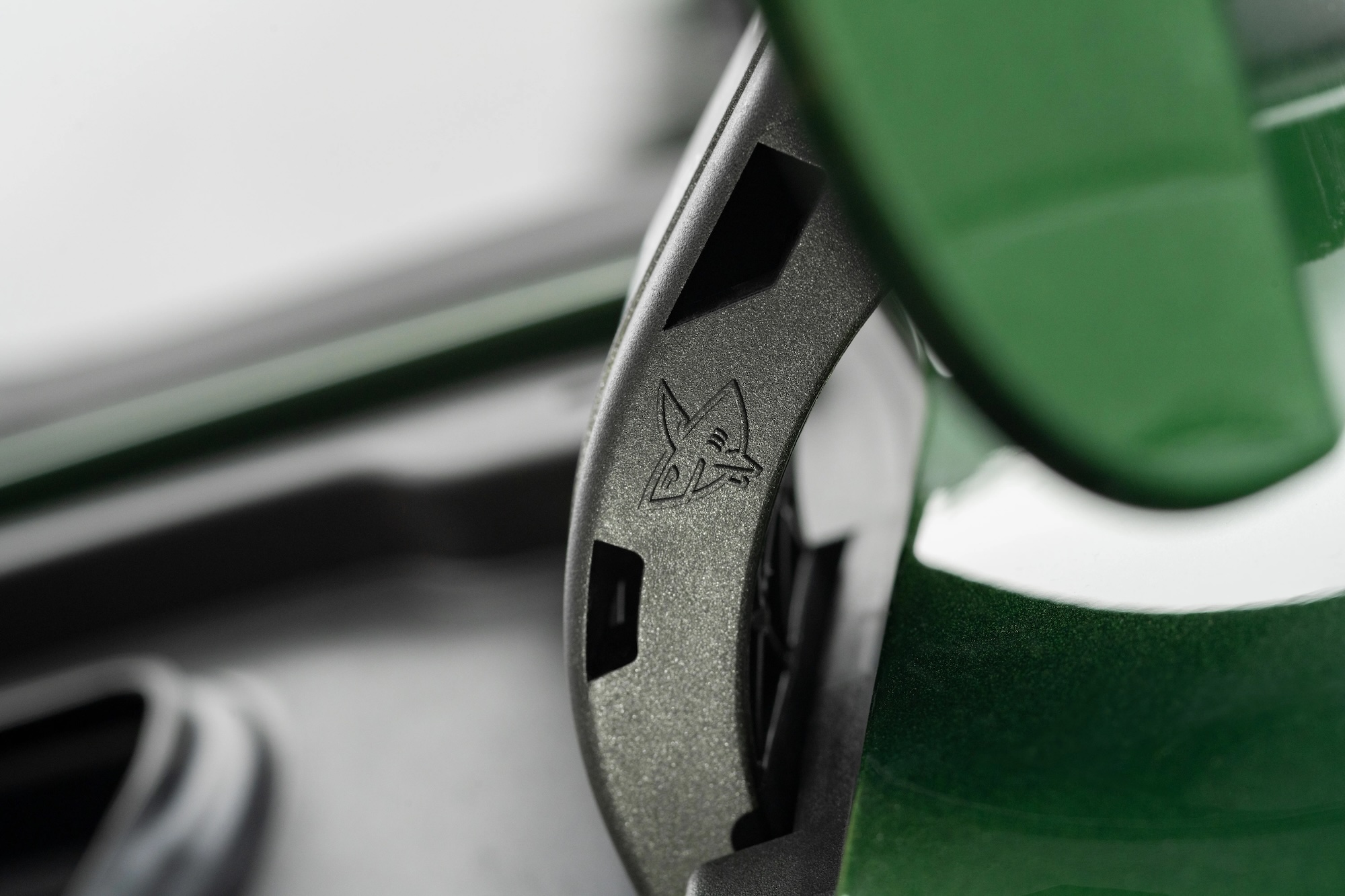

Not in the spotlight – they don’t like that. They prefer to remain hidden. Beneath surfaces, in seams, in places you wouldn’t expect. Anyone who wants to find them needs to change perspective. Look between the seats. Turn things around. Perhaps even think a little higher than usual in the luggage compartment. One thing can be revealed: it’s worth it.
The idea itself came about almost by chance. One Sunday afternoon in 2004, Opel designer Dietmar Finger was at home sketching a concept for the next-generation Corsa D, due to be launched two years later. Plastic ribs, purely functional in design. Then came the decisive moment: his son looked over his shoulder – and asked the right question. Why not turn it into a shark?
Why not indeed.

A spontaneous idea became standard. A detail became tradition. And a small playful touch became a hallmark. Since then, Opel designers have hidden their sharks in every new model. Without announcement. Without clues. Even internally, the locations often remain secret until the very end.
The result: cars with character. And with a wink. The search begins the moment you get in – and rarely ends with the first discovery.
Because where there’s one shark, there are usually more.
April 2026