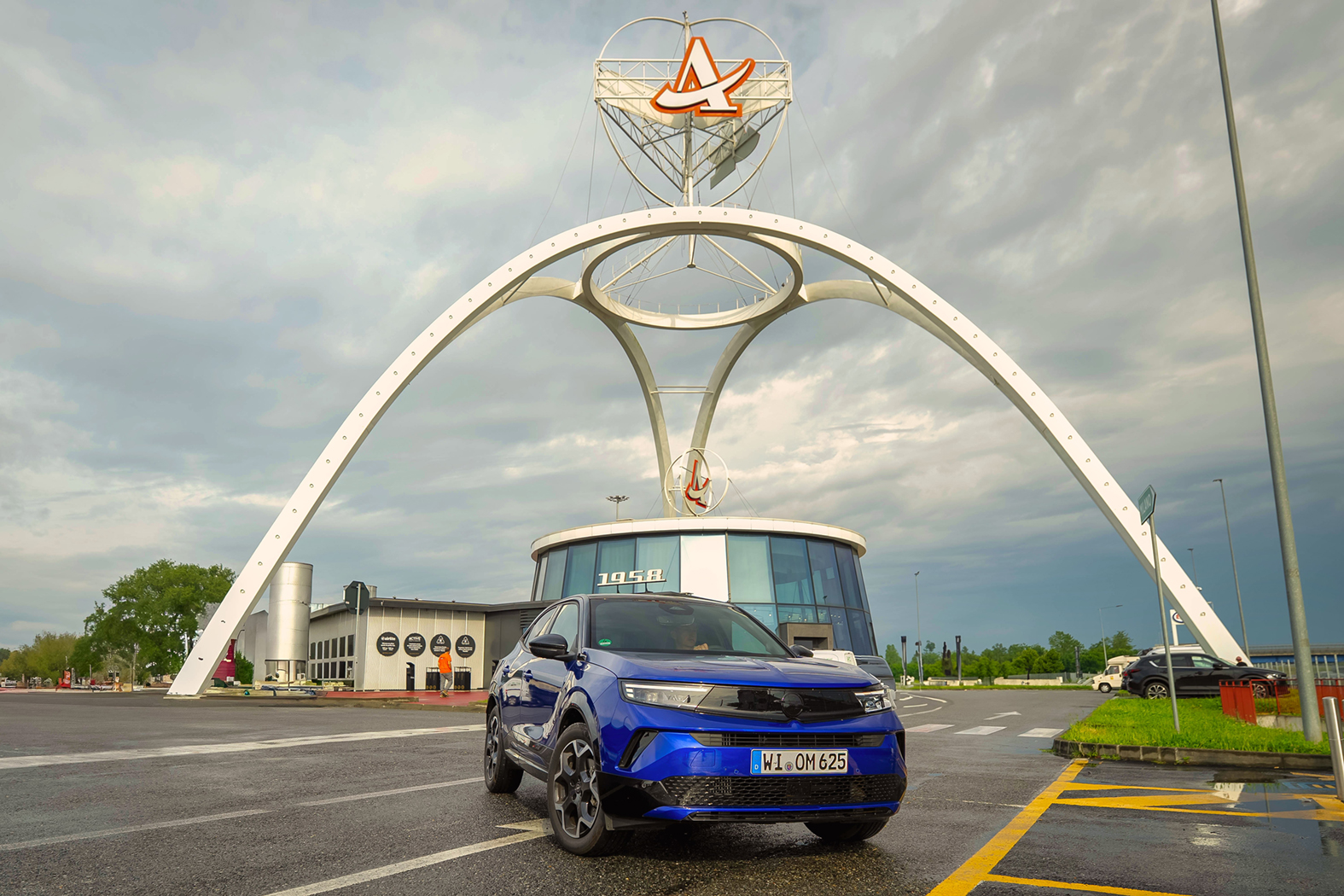
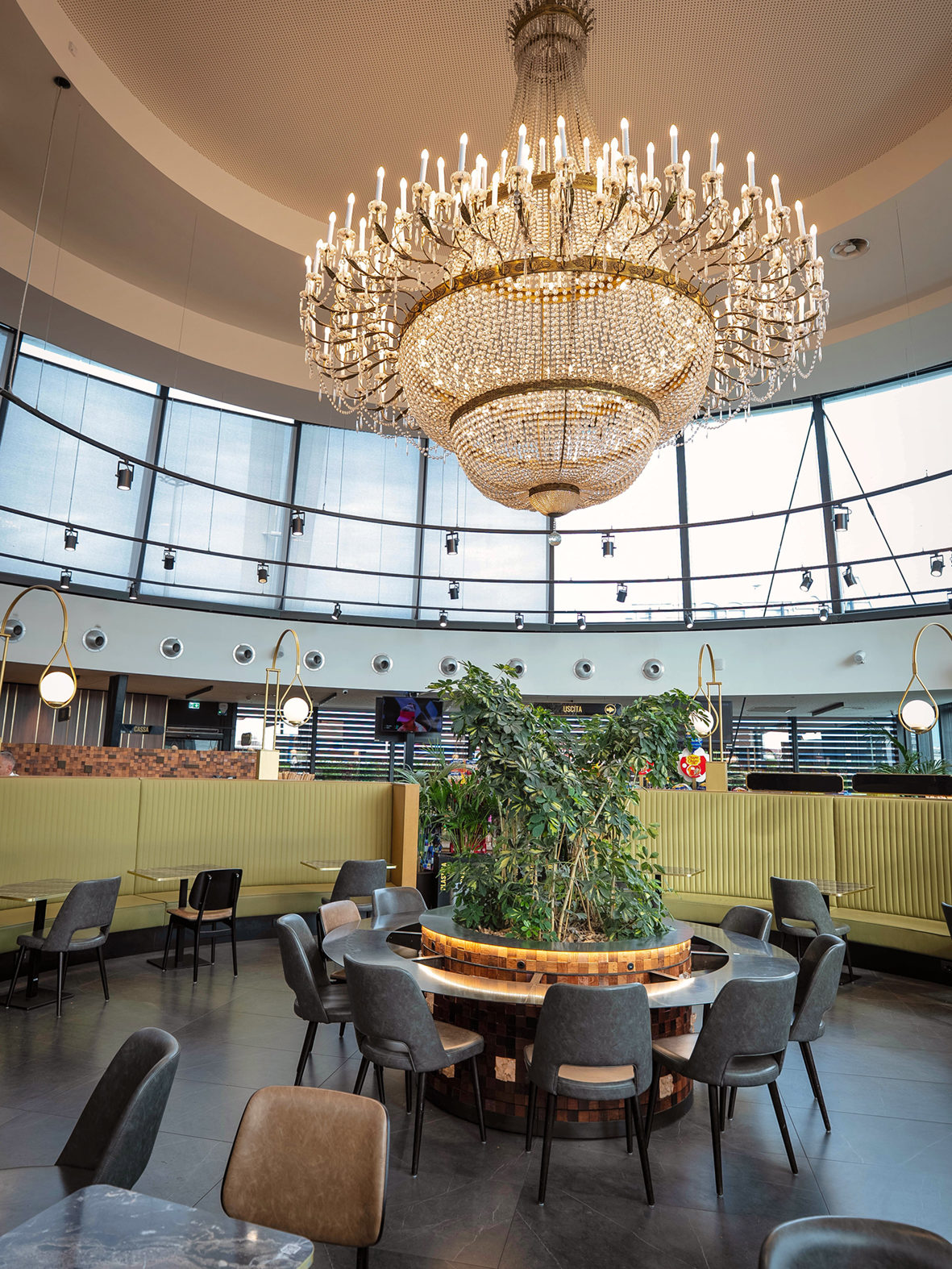
The journey begins shortly before Milan, at the Autogrill Villoresi Ovest. The circular service station has been rising out of the landscape like a UFO since the 1960s and is a kind of mandatory stop for holidaymakers in Italy. Inside, cups clatter, the machines puff, the next guest is already waiting. Around 120 million cups of coffee are served every year in the Italian Autogrill branches alone. Espresso? Hardly anyone orders it here. A ‘caffè’ – that’s what it’s called in Italian – is enough. The rest goes without saying.
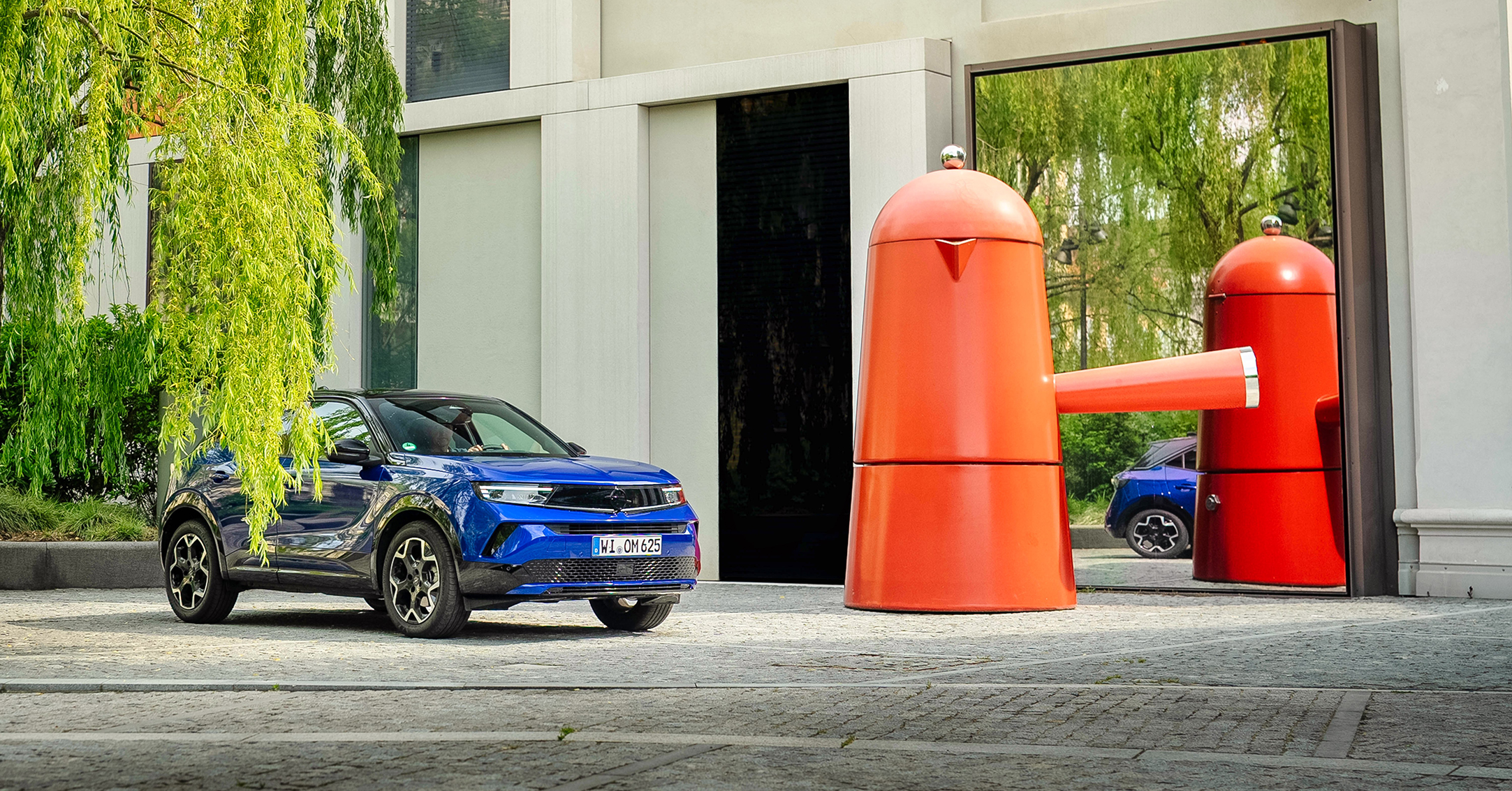
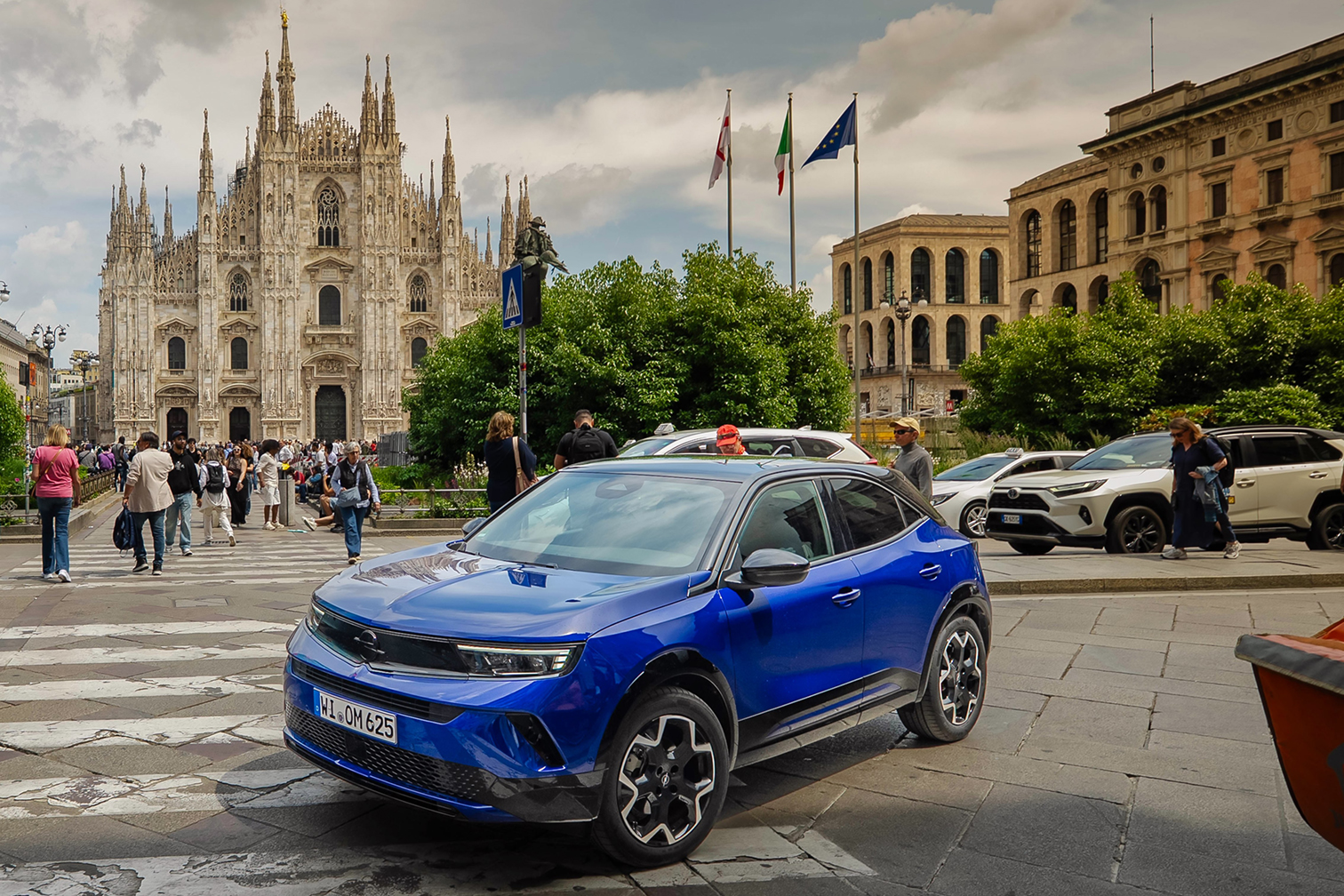
Next stop: Omegna on Lake Orta. This is where Alfonso Bialetti developed the Moka Express in 1933. The octagonal aluminium pot became a symbol of Italian coffee culture and has been sold millions of times worldwide. It has long been produced elsewhere, but a few kilometres away, the Italian desire for good design lives on – at Alessi. In the factory outlet, the trunk of the Mokka fills up surprisingly quickly with espresso cups, pots and things that you didn’t know you urgently needed until now.
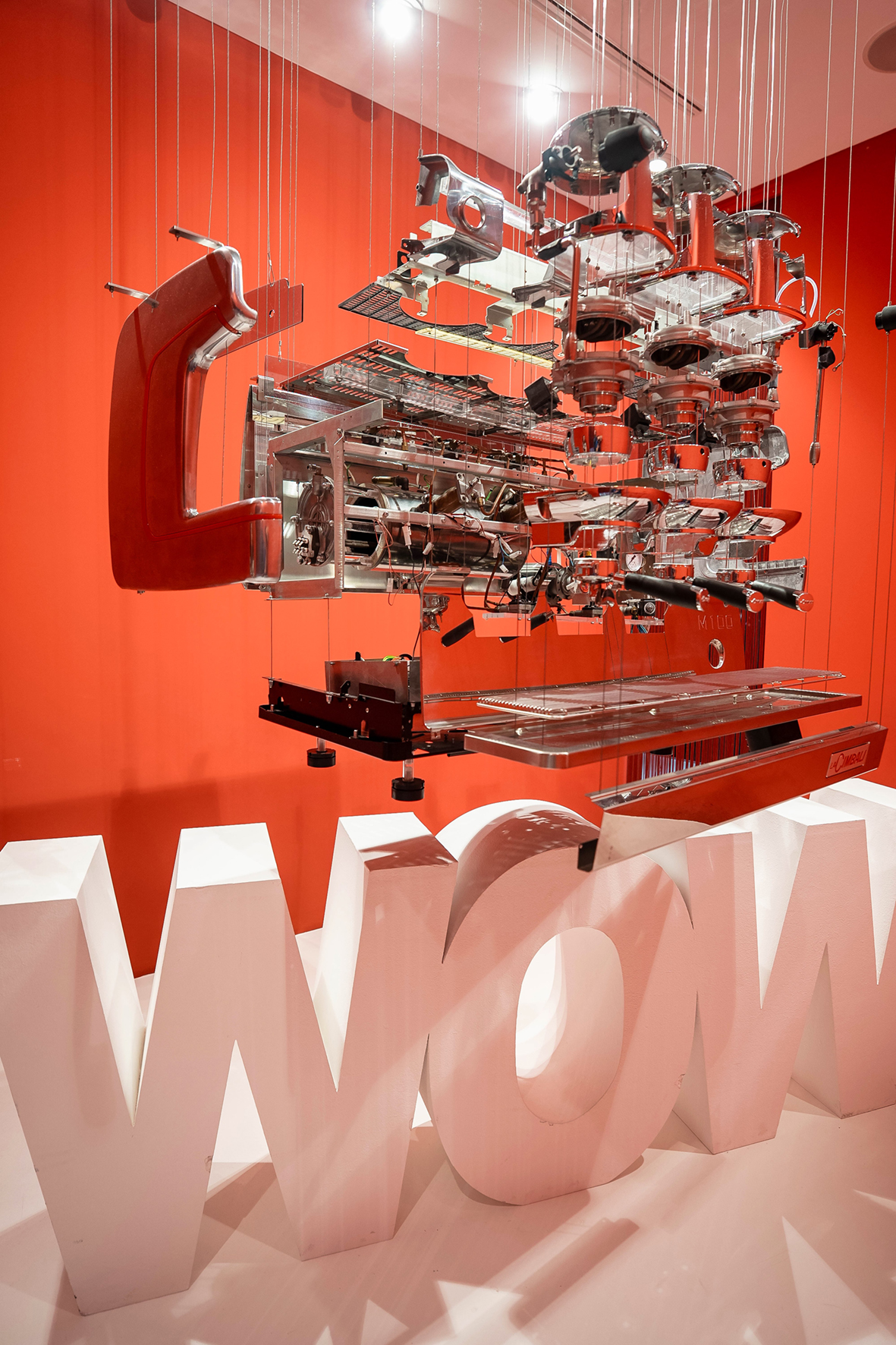
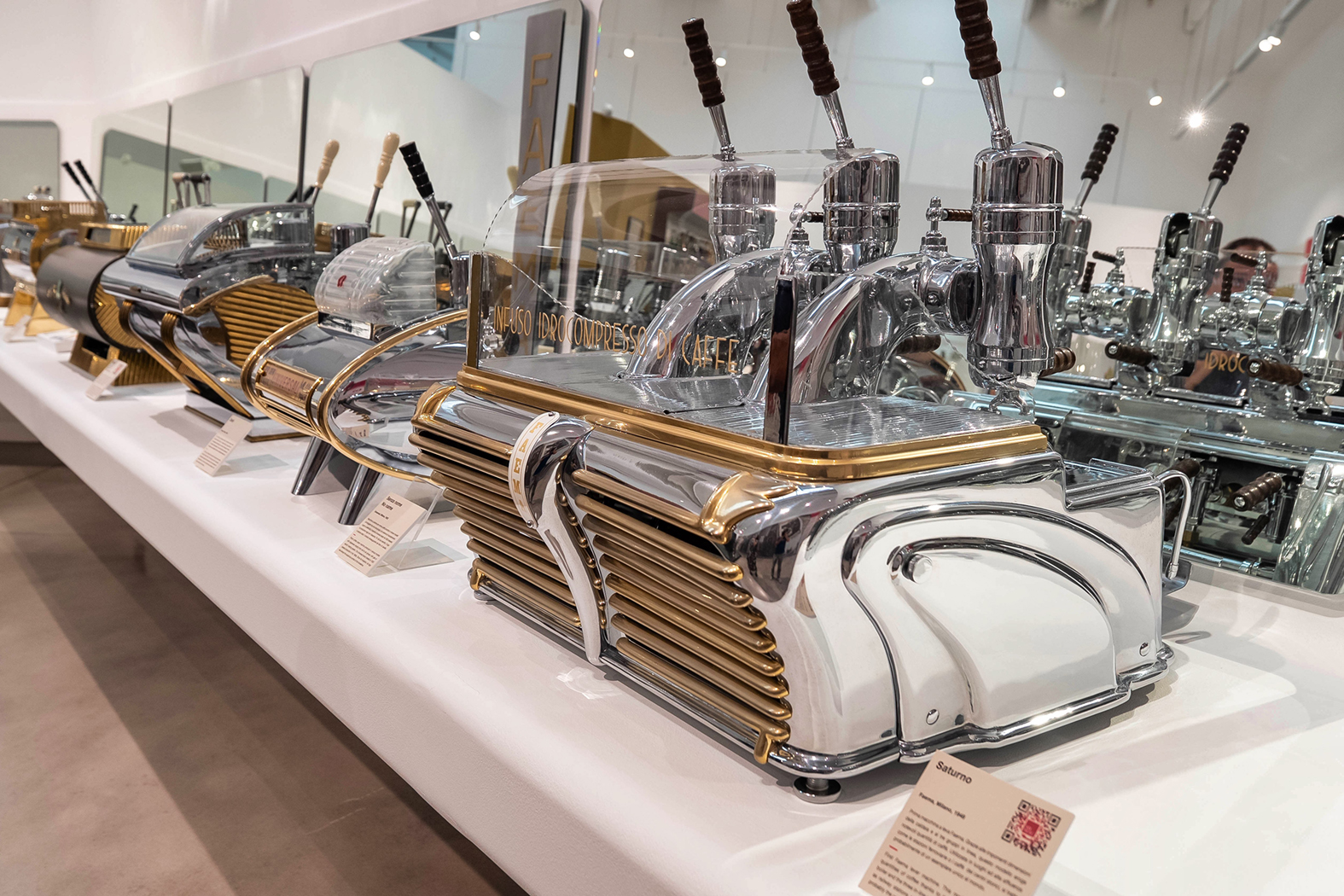
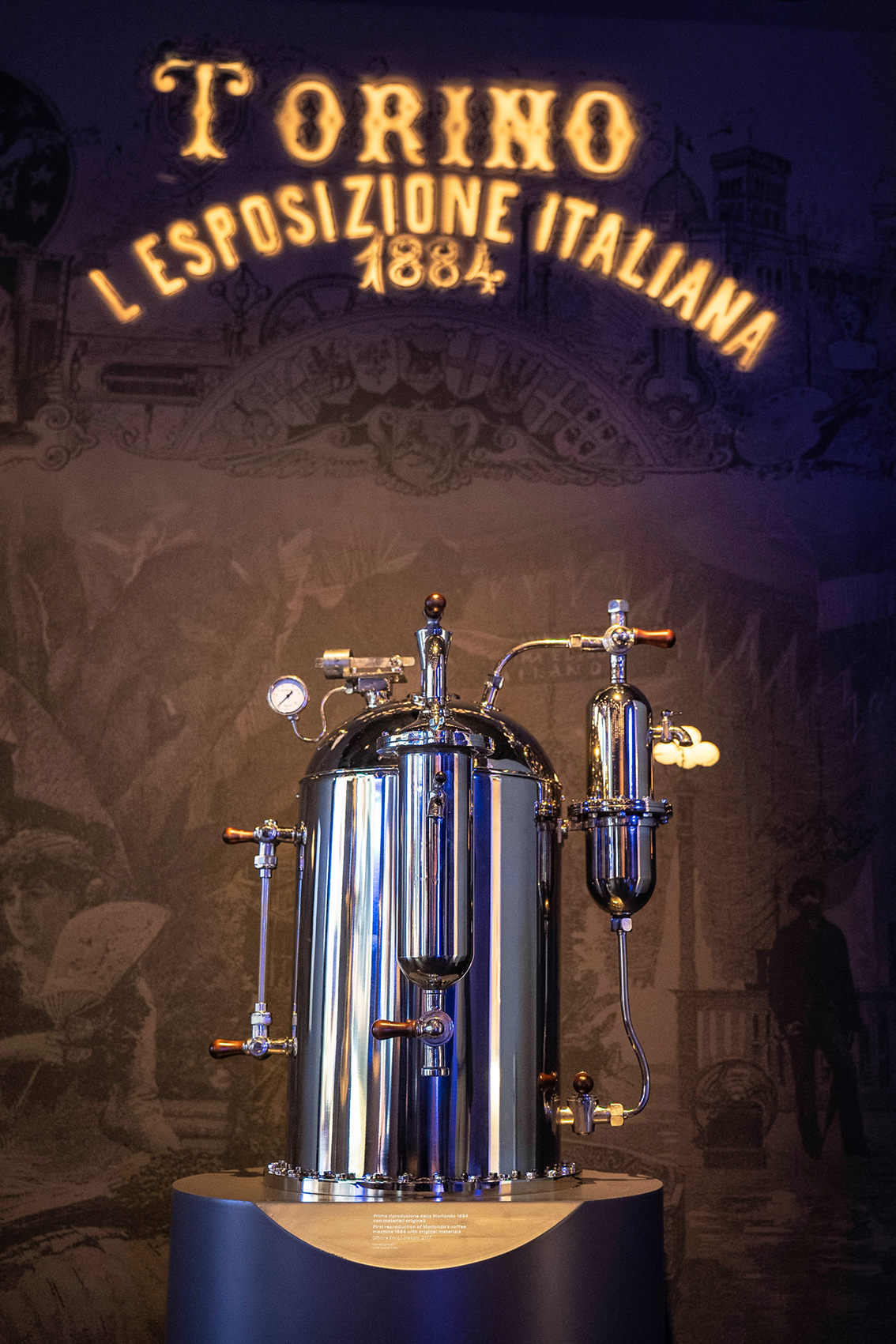
Then it’s off to Milan. If you want to know how the caffè gets into the cup without a stovetop pot, you end up in Binasco. There, the MUMAC, the museum of the Cimbali Group, tells more than a hundred years of espresso machine history. The early examples look like locomotives: copper boilers, levers, valves. Later, hydraulics, electronics and increasingly sophisticated pumps are added. The star of the collection is called Faema E61. Built in 1961, for coffee fans it is about what the GT is for Opel drivers. Its electric pump and constant brewing pressure made espresso reproducible for the first time. Technology replaced muscle power.
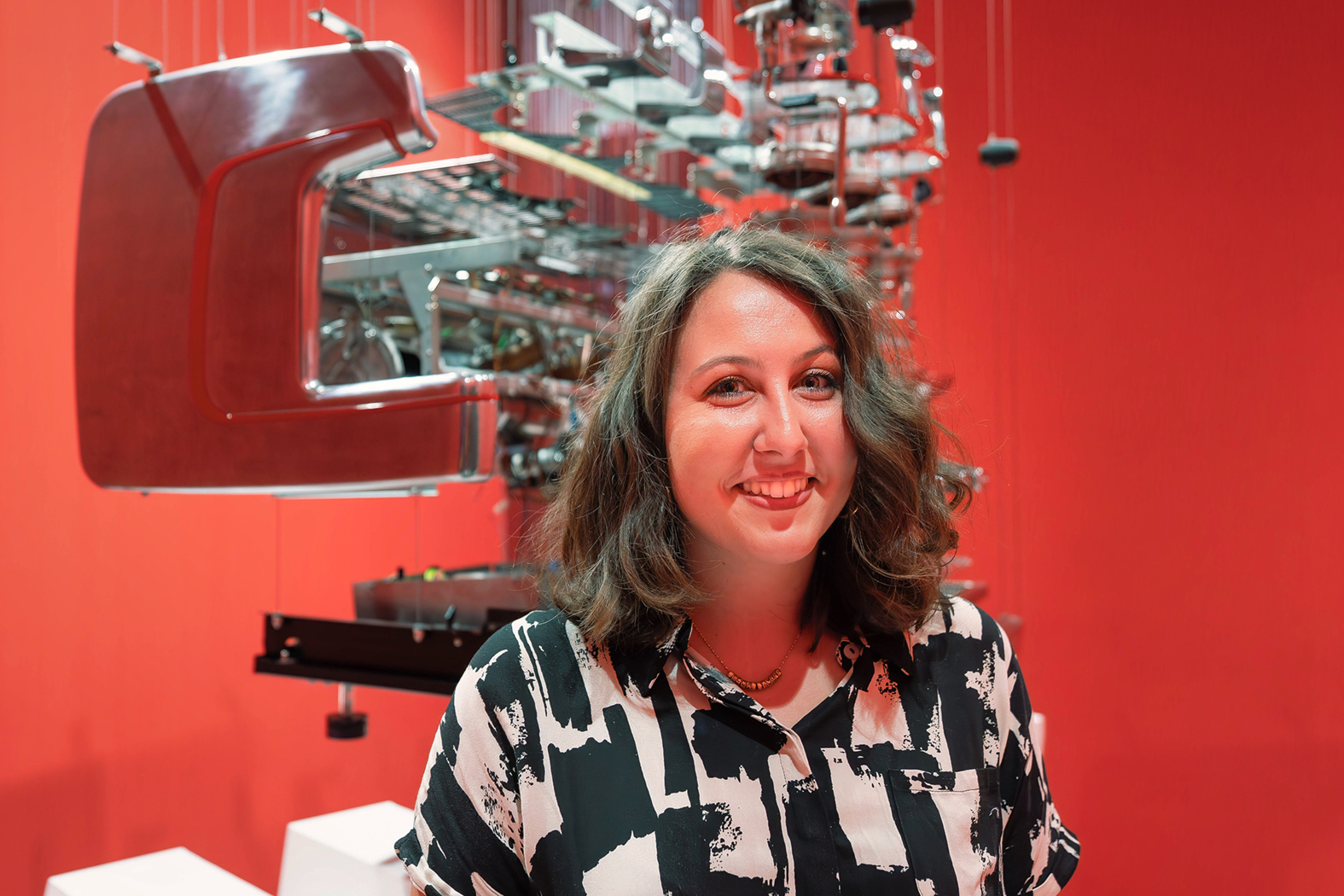
Museum director Barbara Foglia, however, is even more enthusiastic about another machine: the ‘La Cornuta’ by Gio Ponti from 1948. Only around 900 units were built. Today, the horn-shaped beauty is a sought-after collector’s item. “The Mona Lisa among espresso machines,” says Foglia. But even the most beautiful machine is only one of four ingredients. Machine, grinder, barista and bean have to work together. “Even the best machine doesn’t make good espresso out of bad coffee,” says Foglia – and sends the Mokka on to Turin.
“Even the best machine doesn’t turn bad coffee into good espresso.”
– Barbara Foglia, Director of MUMAC –
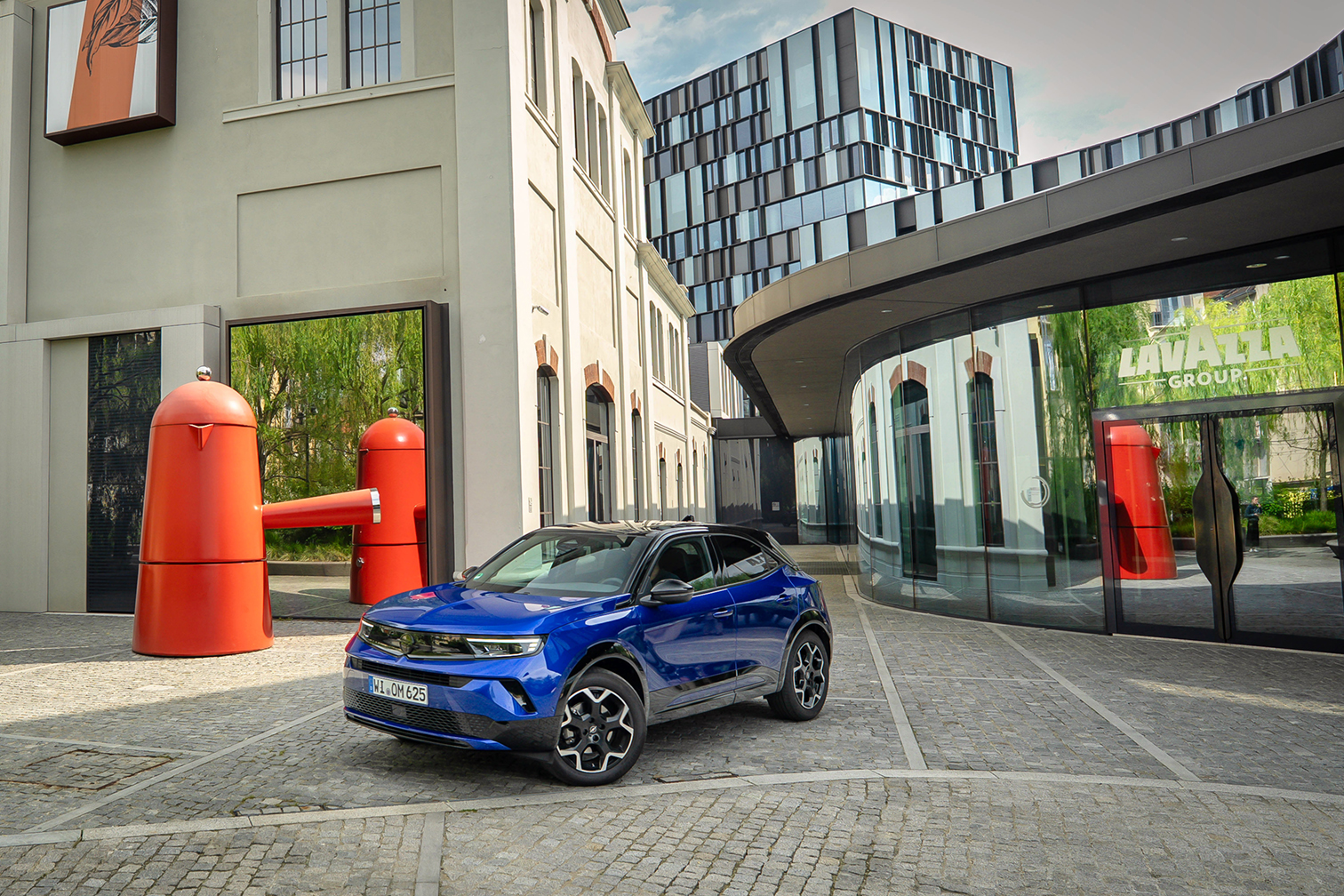
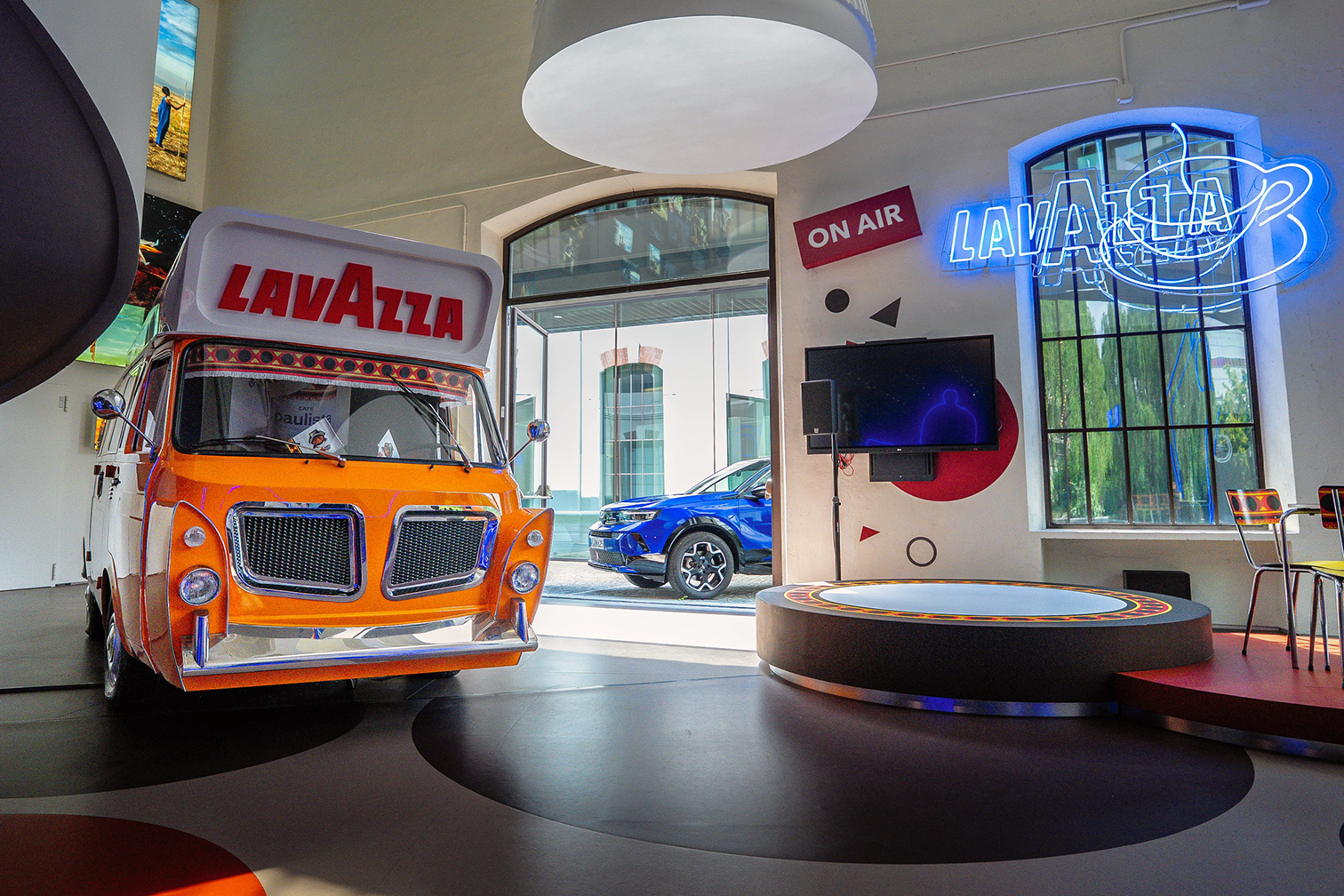
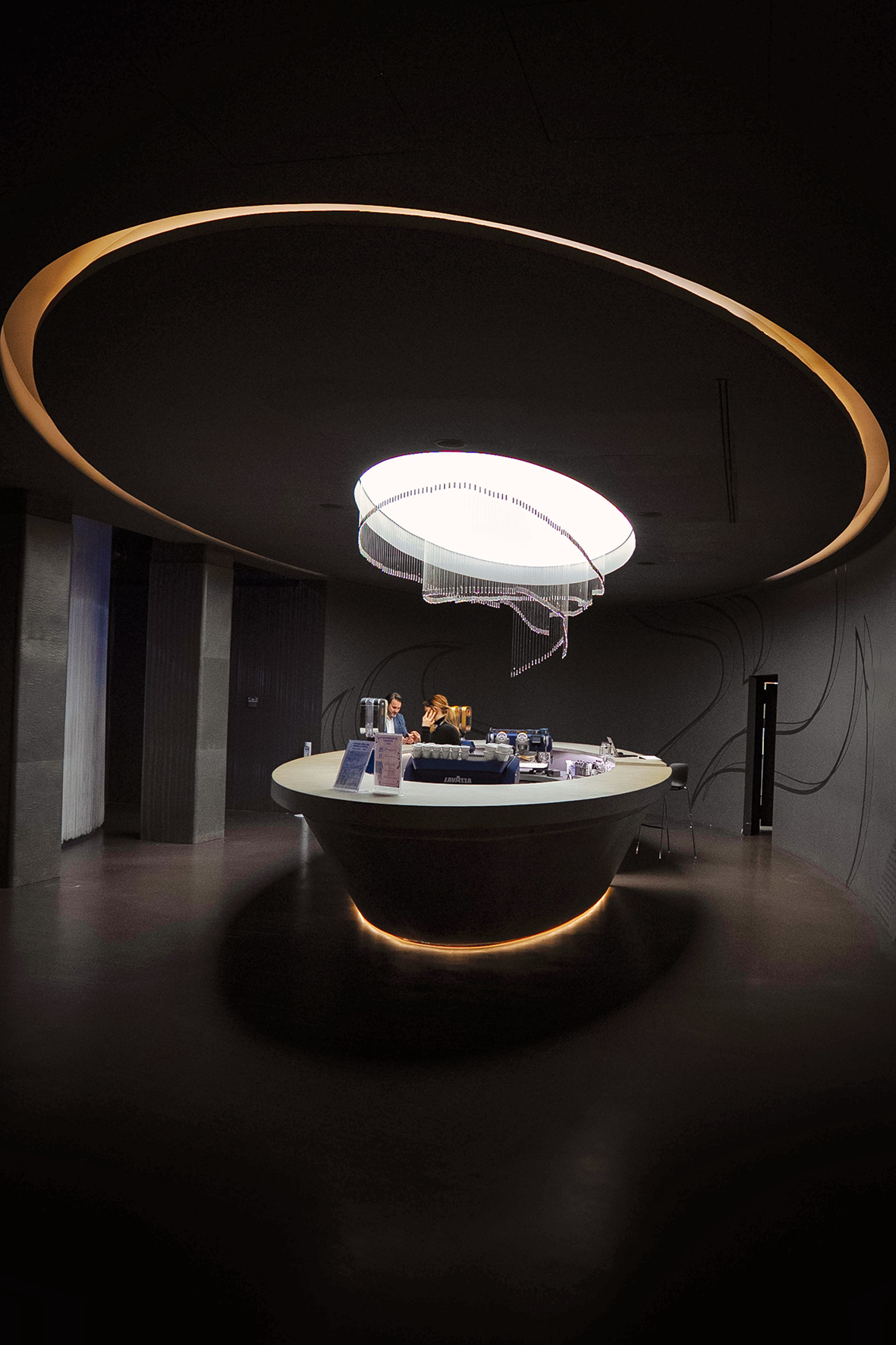
Luigi Lavazza opened a small drugstore here in 1895. Coffee was initially just one of many products. However, Lavazza began to mix beans of different origins and roasts – and thus invented the blend, so to speak. Today, Lavazza is drunk in more than 140 countries. At the Lavazza headquarters, it smells of chocolate, nuts, citrus fruits and, of course, coffee. The museum, training centre and company headquarters tell the story of a brand that has even made it to the International Space Station. Around 35,000 baristas visit the company’s training centres every year. Because here, too, the following applies: without experts at the machine, good beans do not make good coffee.
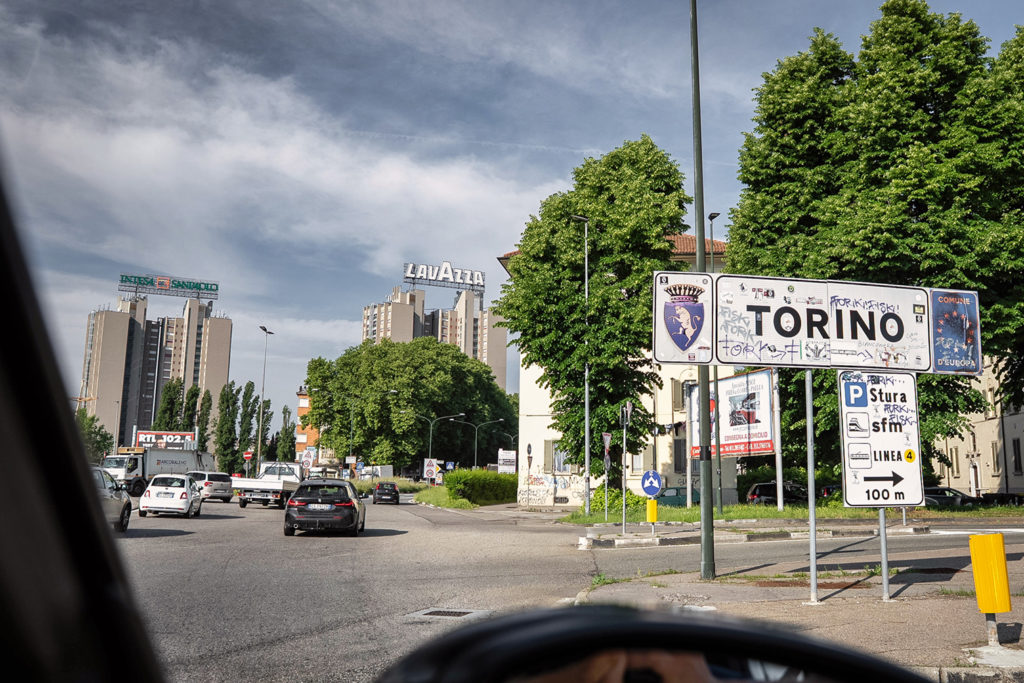
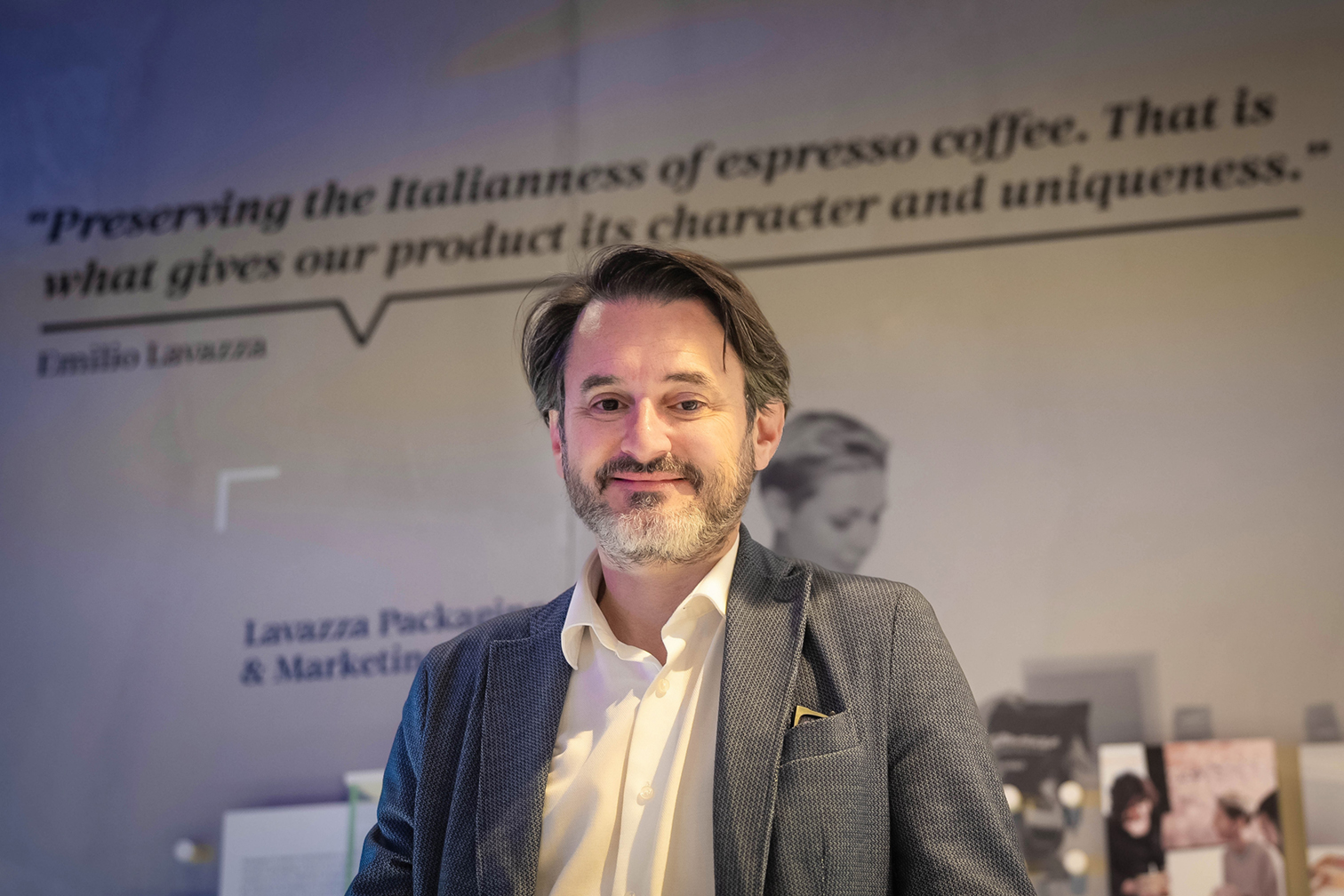
For museum director Marco Amato coffee is more than a drink anyway. It is a short break in the hustle and bustle of everyday life. A moment before it continues. Perhaps this also explains why Italians rarely sip their caffè in a paper cup. They stay at the bar for a moment, greet the barista, drink three sips – and then move on.
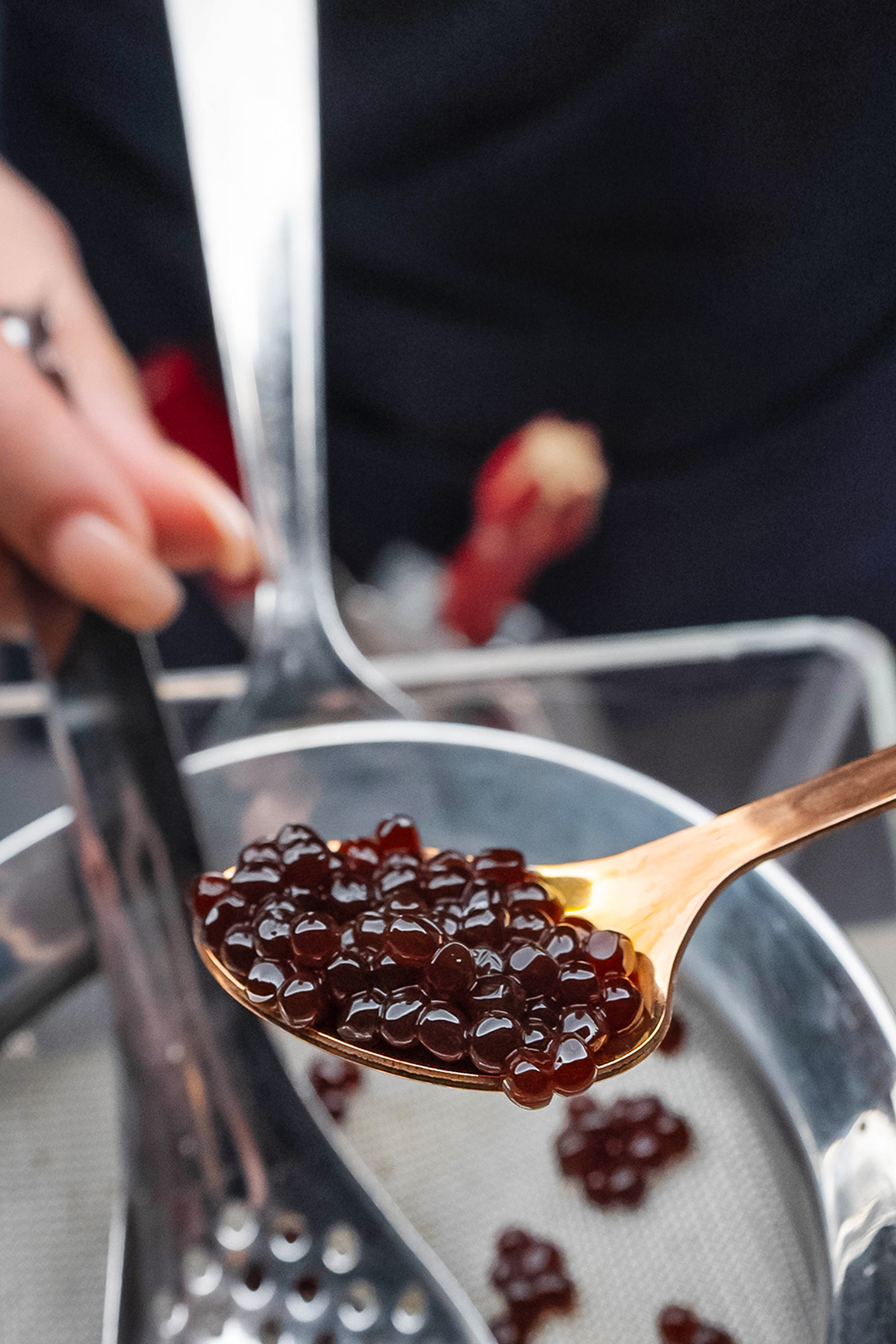
As a farewell, a caffè awaits that tastes more like a Michelin star than a motorway service station. Perfect bean, perfect water, perfect machine, perfect barista. There is also coffee caviar. The Mokka could actually stay parked a little longer.
“Caffè is more than a drink. Rather, it is a short break in the hustle and bustle of everyday life.”
–Marco Amato, Lavazza Museum Director –
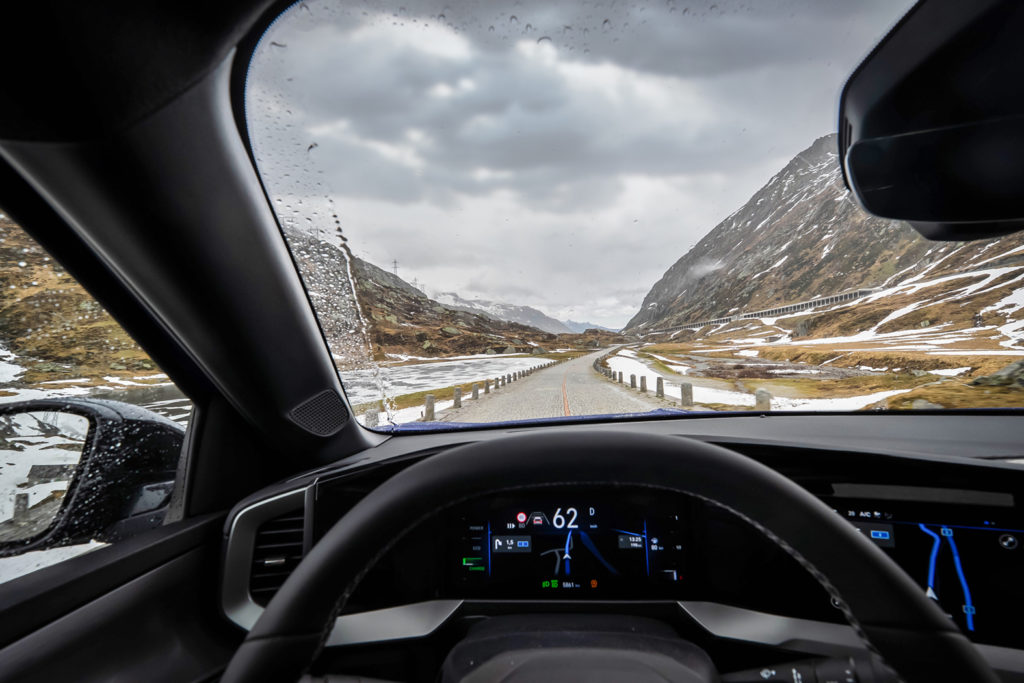
But at some point, even the best caffè is too much. Over the Gotthard, we head back north, with a last stop in Basel. At the ‘Kaffeemacher’, Felix Hohlmann, German master barista and coffee ambassador, shows that good espresso no longer begins south of the Alps. His customers even bring their own portafilter machines to the course.
Good coffee culture has long since arrived north of the Alps.
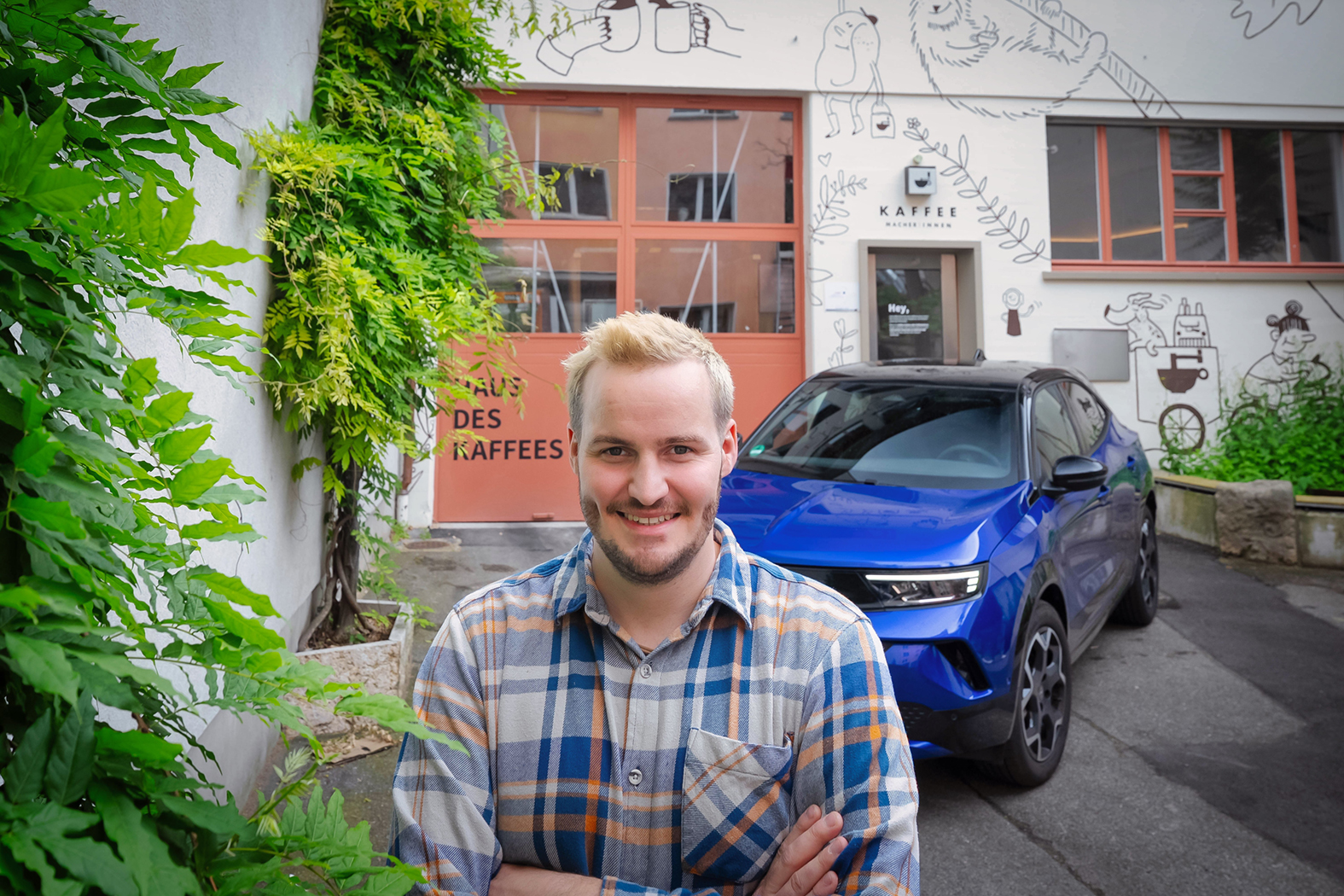
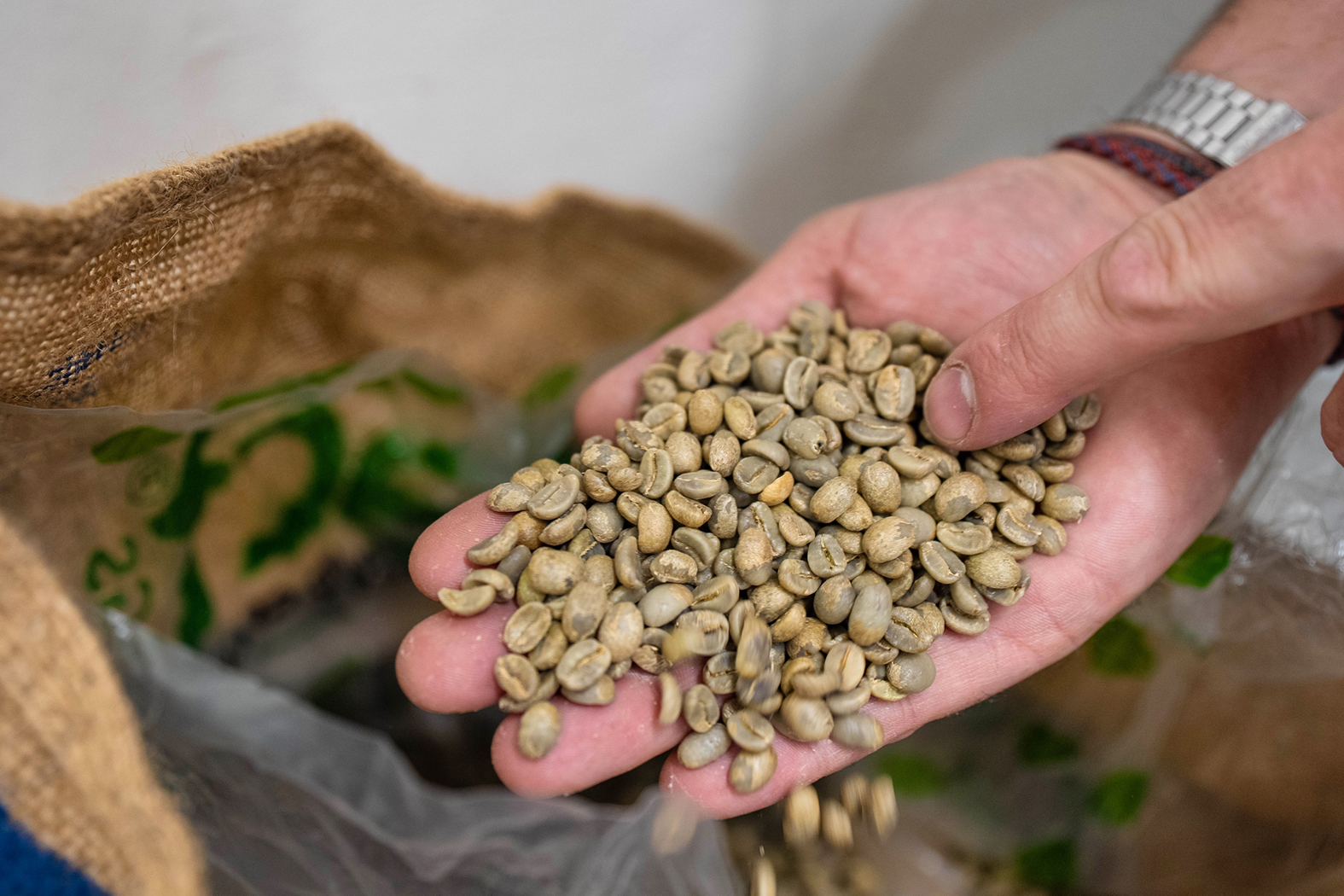
German coffee culture is changing. After filter coffee, fully automatic machines and Starbucks, more and more people are interested in origin, harvesting, fermentation and roasting. The fourth wave of coffee is rolling. And if you still have a longing for Italy after all these stops, all you have to do is get back in the car. It is about 900 kilometres from the north of Germany to Fiorenzuola d’Arda. There, the espresso machine in the Autogrill churns out its delicacy around the clock.
Get in, order, three sips. And carry on.
September 2026