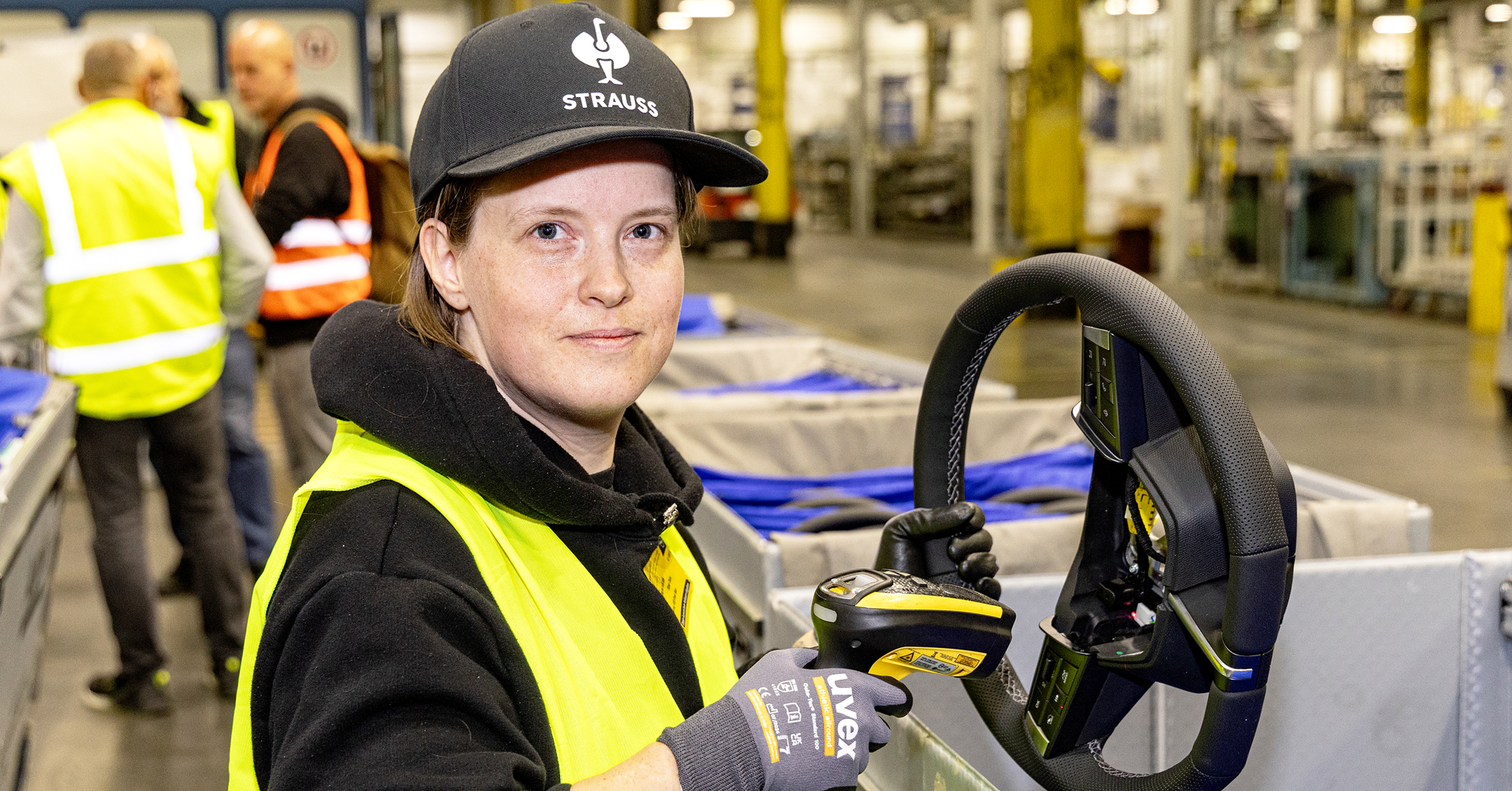
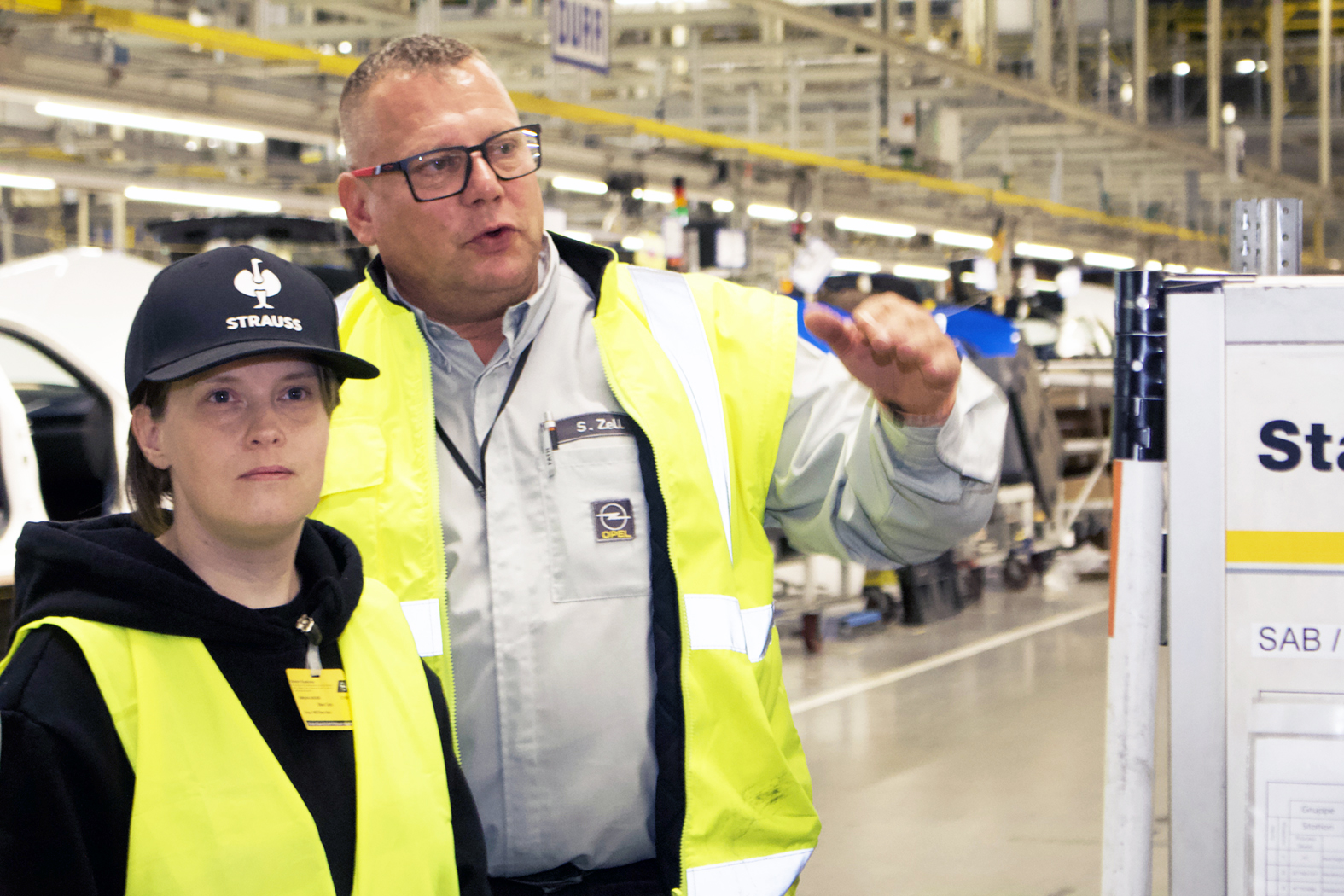
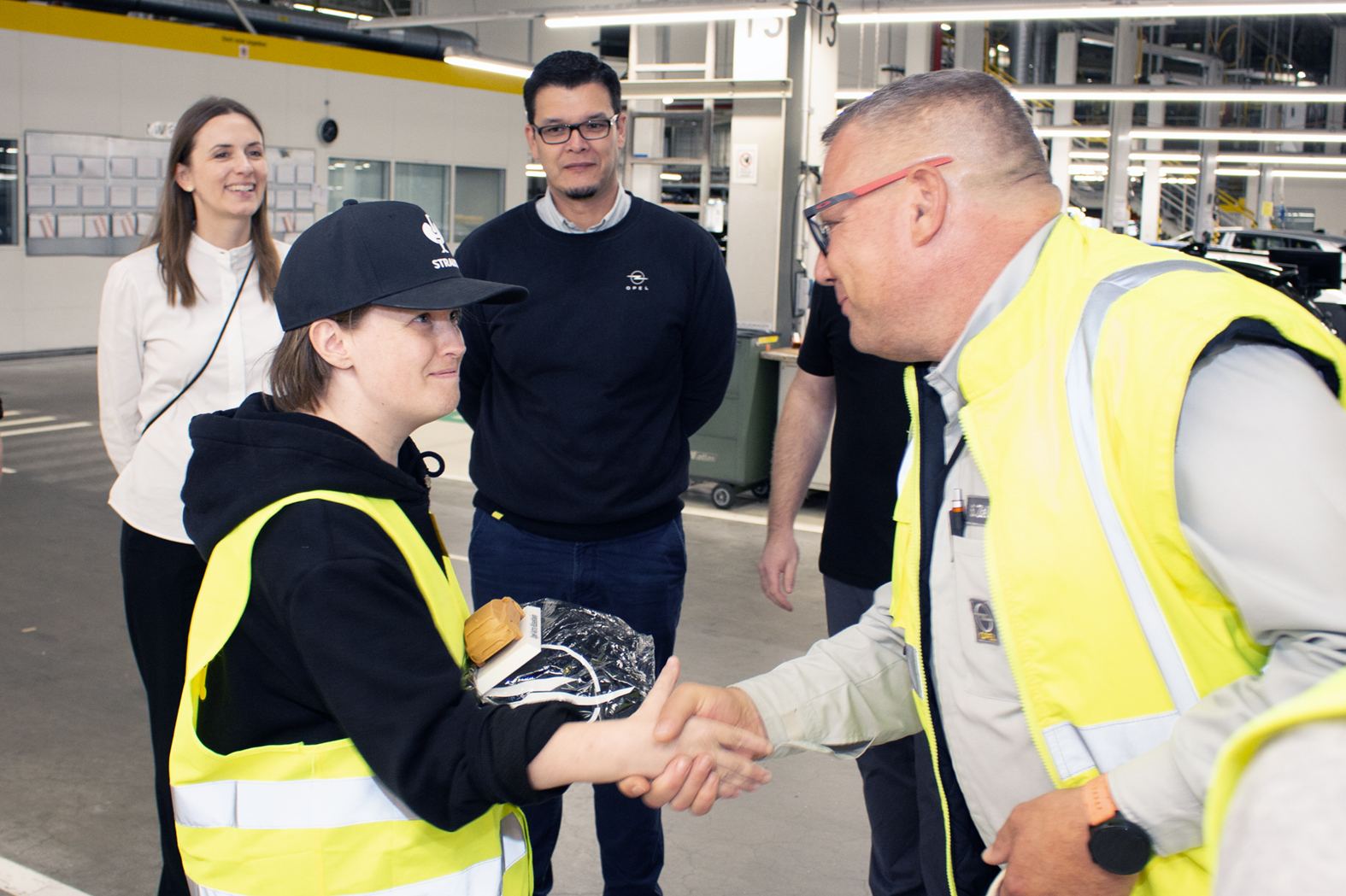
Diana is a bit excited. She is already wearing the safety shoes when she waits at Gate 60 of the plant at Opel’s headquarters in the morning. Angelo is standing next to her. He also normally works in the workshop for disabled people in Rüsselsheim-Königstädten. Today everything is different. The two will work at Opel for one day. Stephan Zell picks them up at the gate and accompanies them through the day. Employee ID, introduction, safety briefing – then they can start. Through the halls, past forklifts, containers and shelves. To where Diana will be working herself this morning.
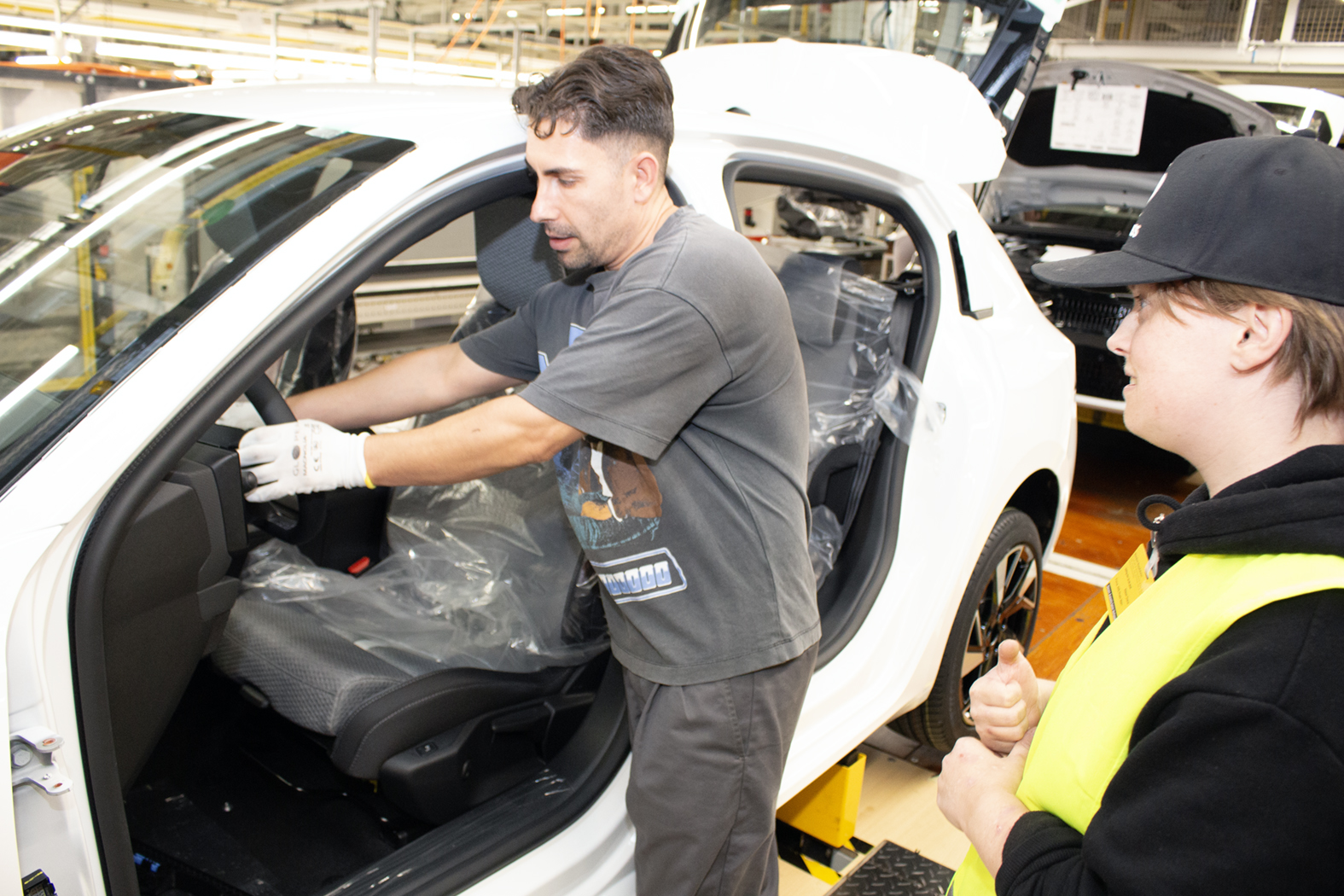
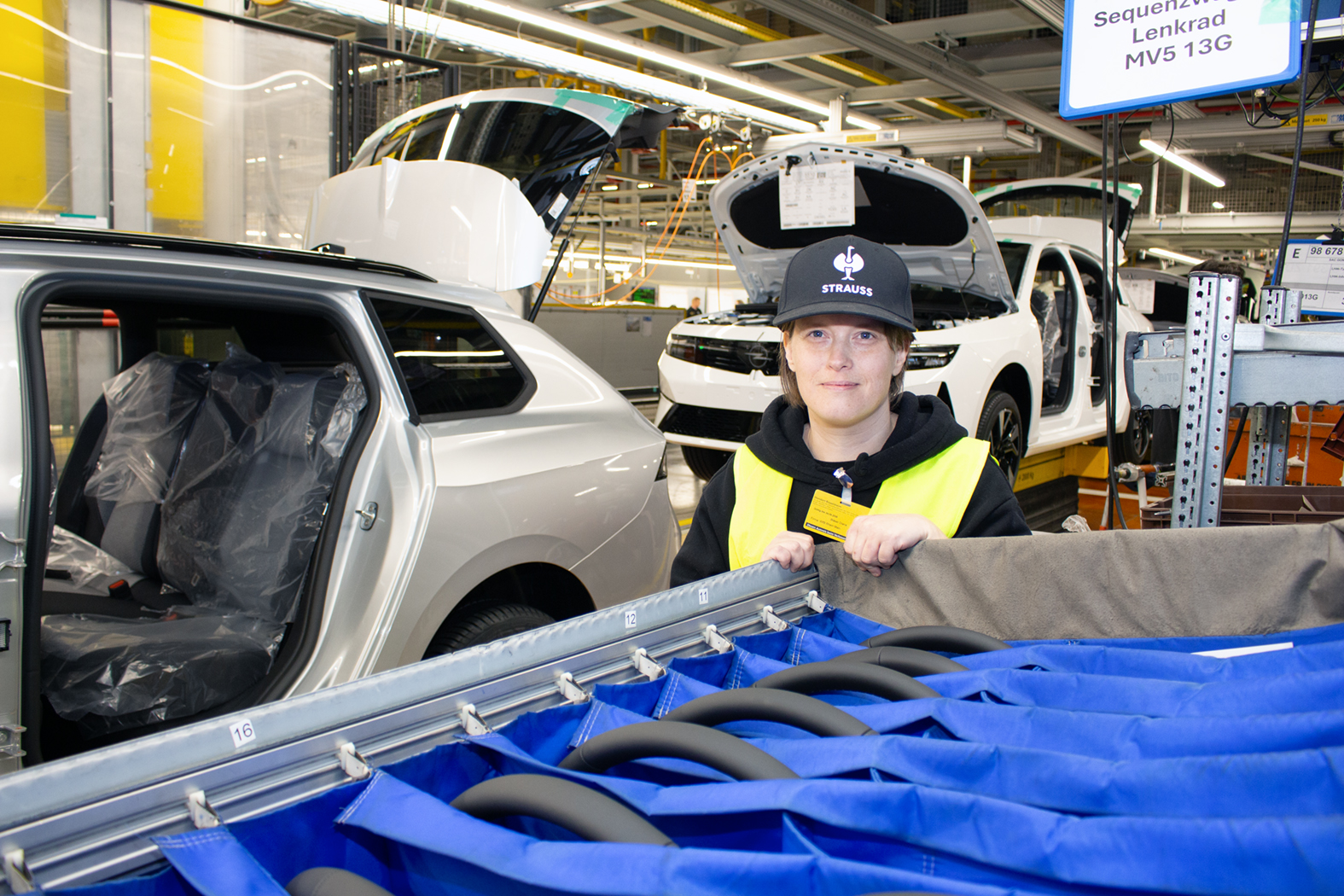
Her workplace: steering wheels. There are 16 variants. Not all of them can be used immediately on the production line. That’s why they are pre-sorted. Or, as they say in the factory: sequenced. Employee Andrea shows Diana how it’s done. A scanner shows which steering wheel is needed next. Diana looks for the right number, takes the steering wheel out of the box and scans the label. This checks whether she has taken the right steering wheel. Then she puts it in a waiting car. And on to the next one. Exactly in the order in which the steering wheels will be needed later on the assembly line.
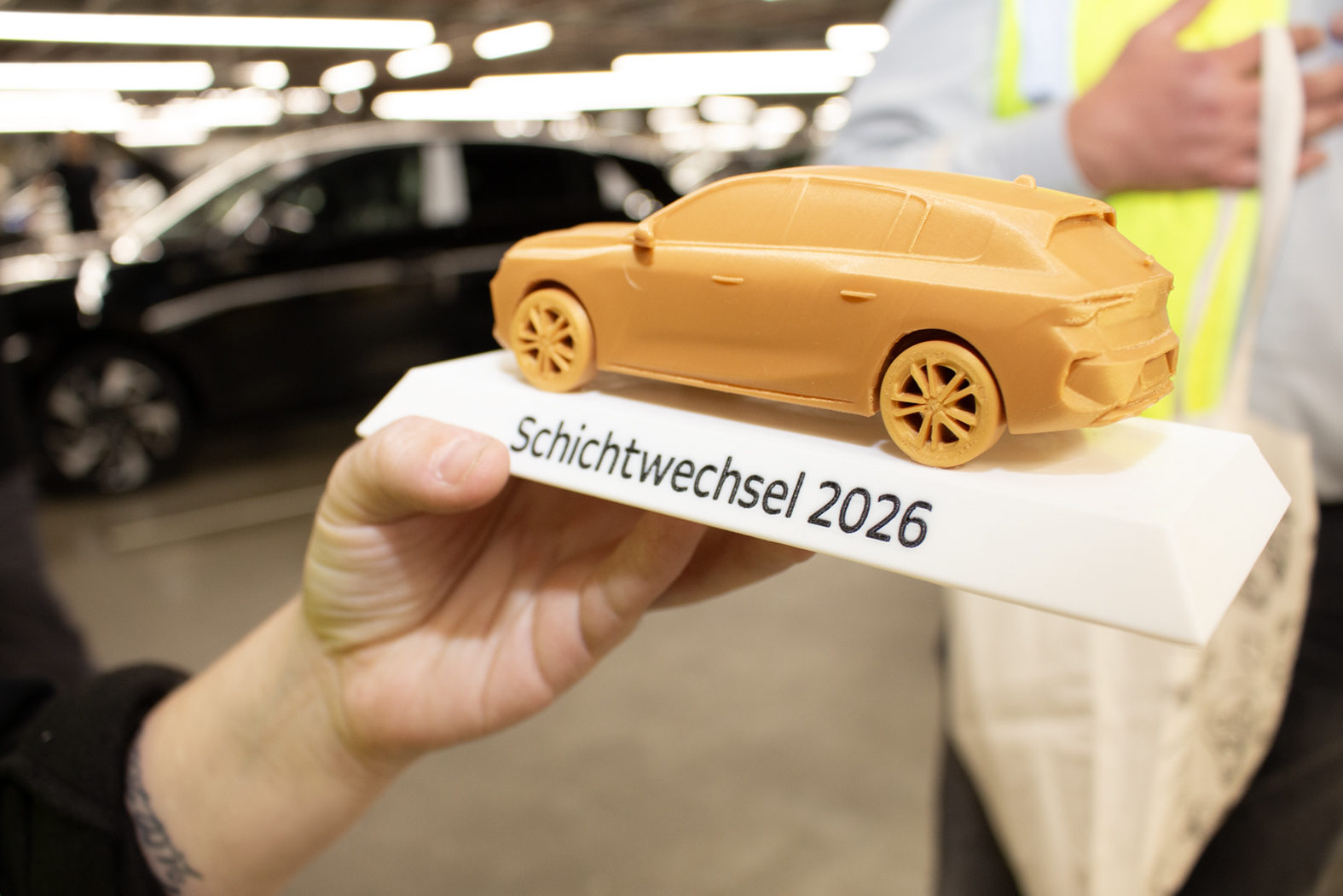
“If you work together for a day, you get to know each other differently. That’s exactly the idea of shift swap.”
– Stephan Zell, Team Masterplan Plant Rüsselsheim –
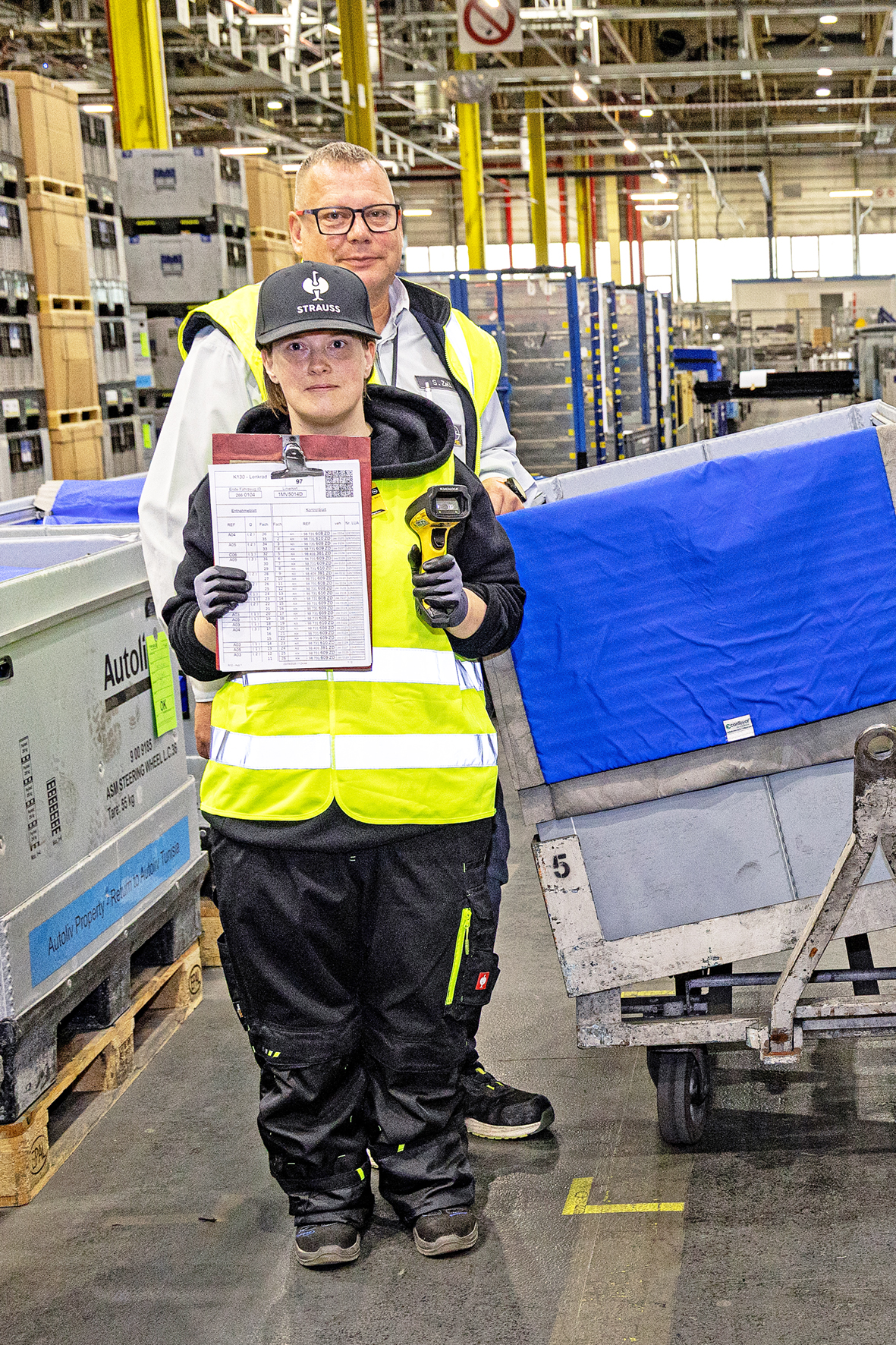
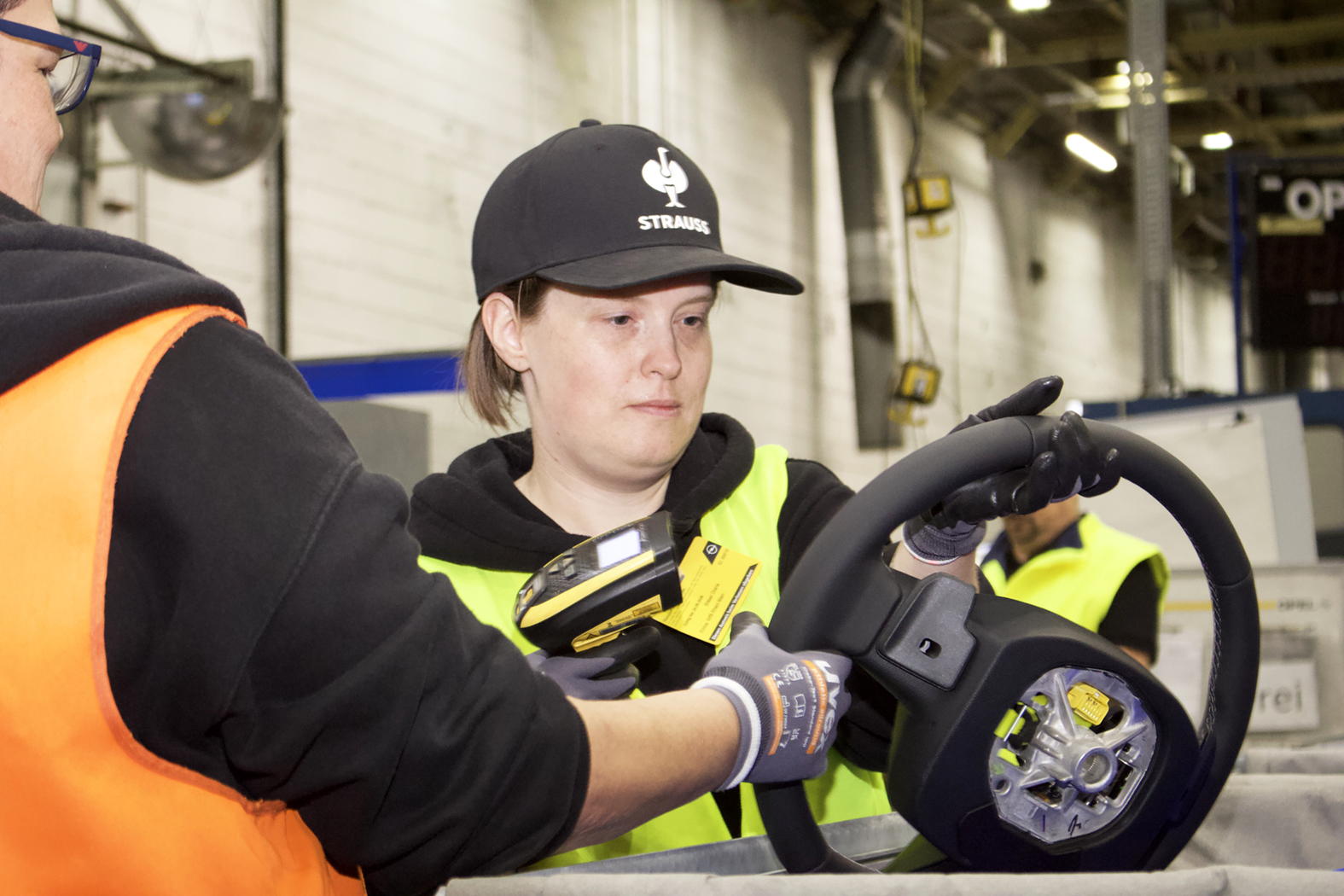
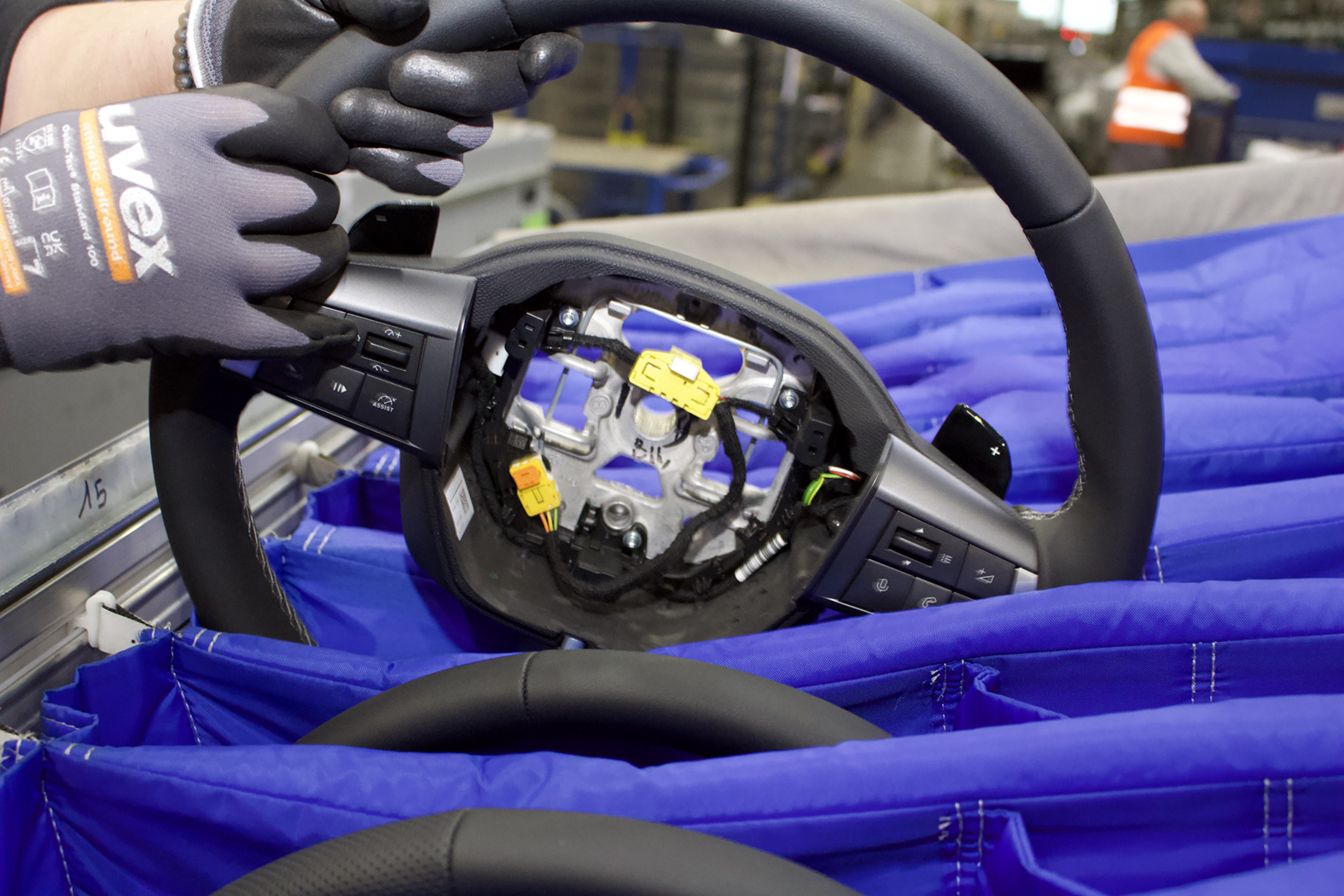
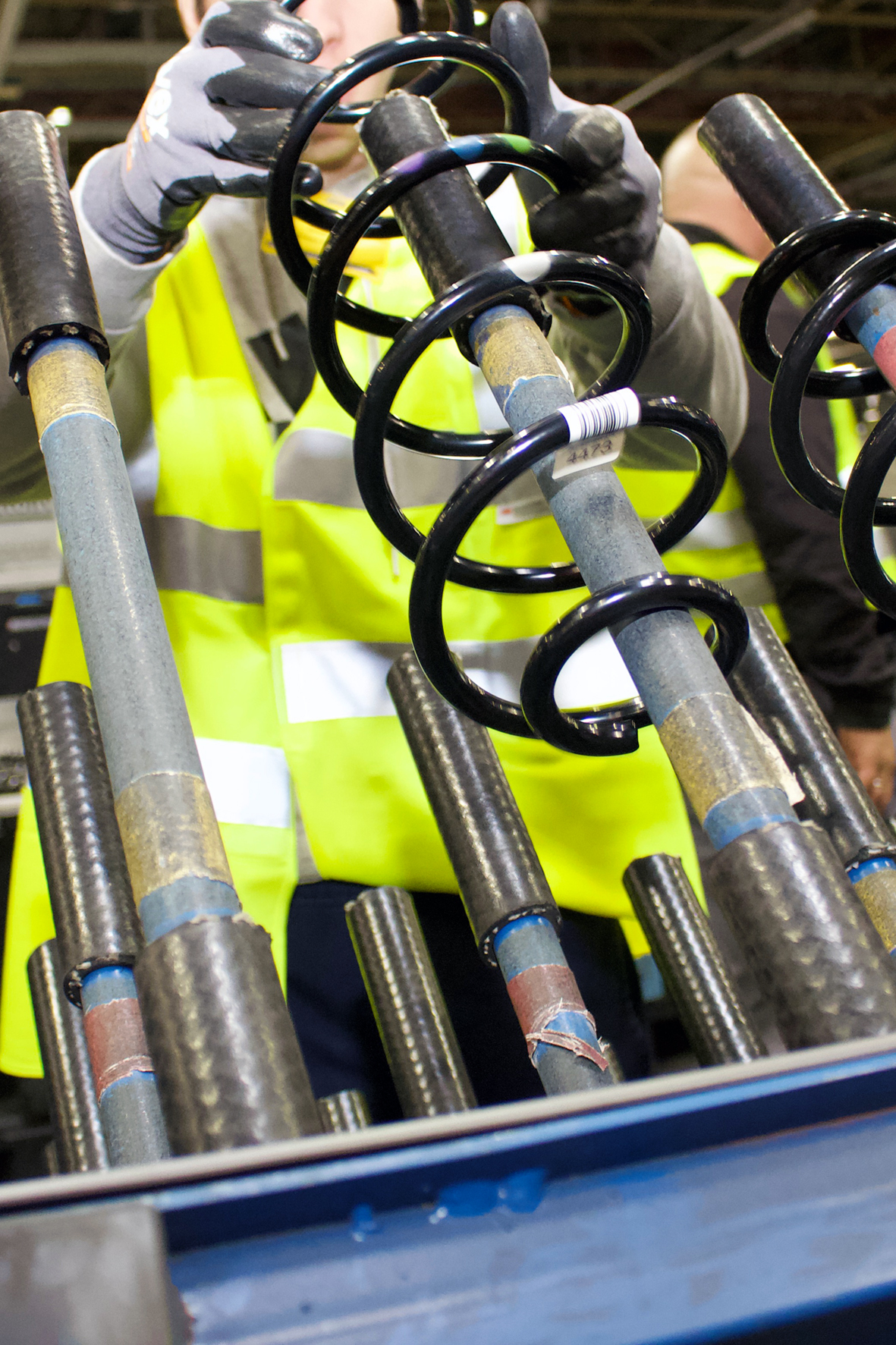
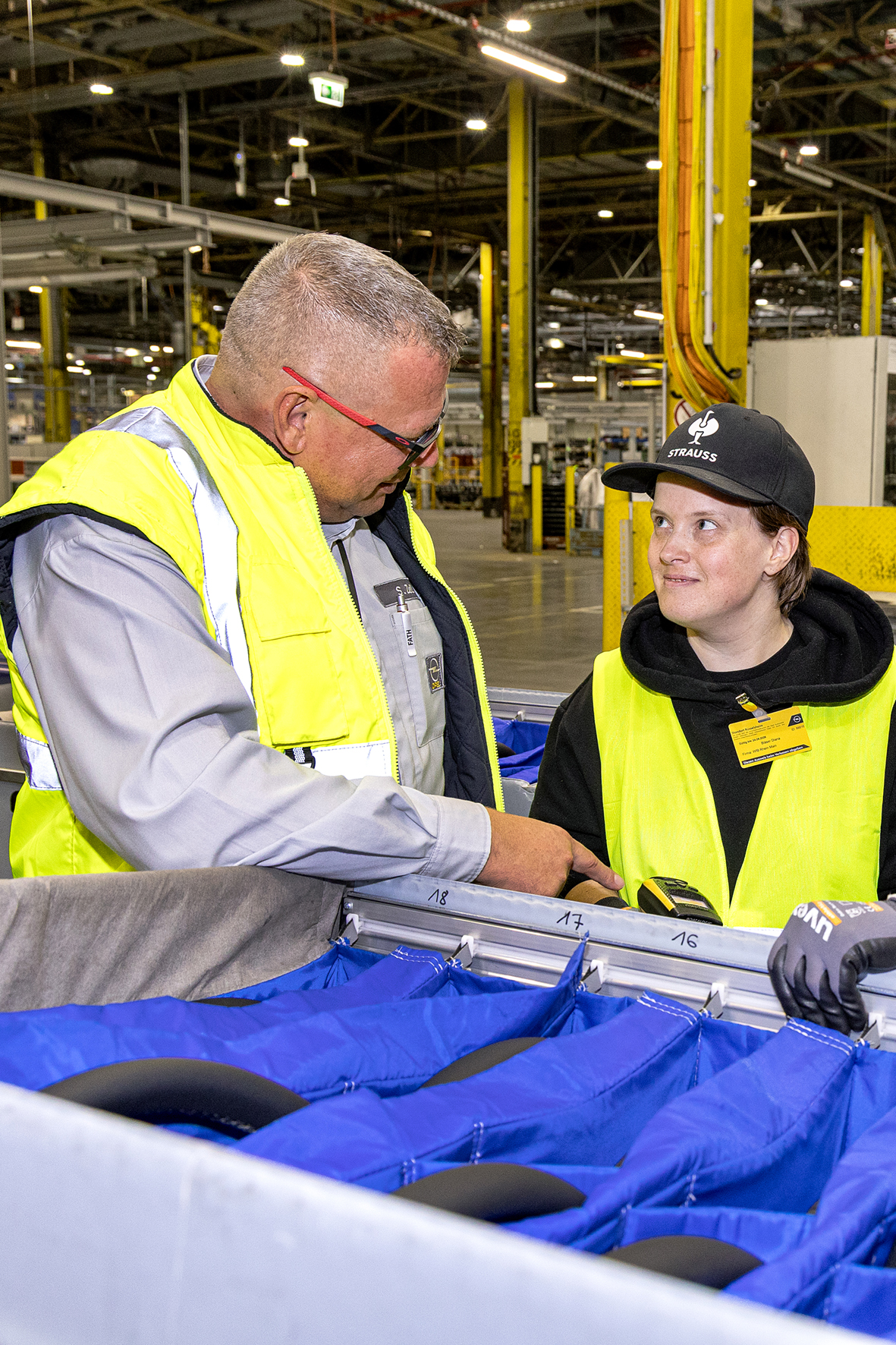
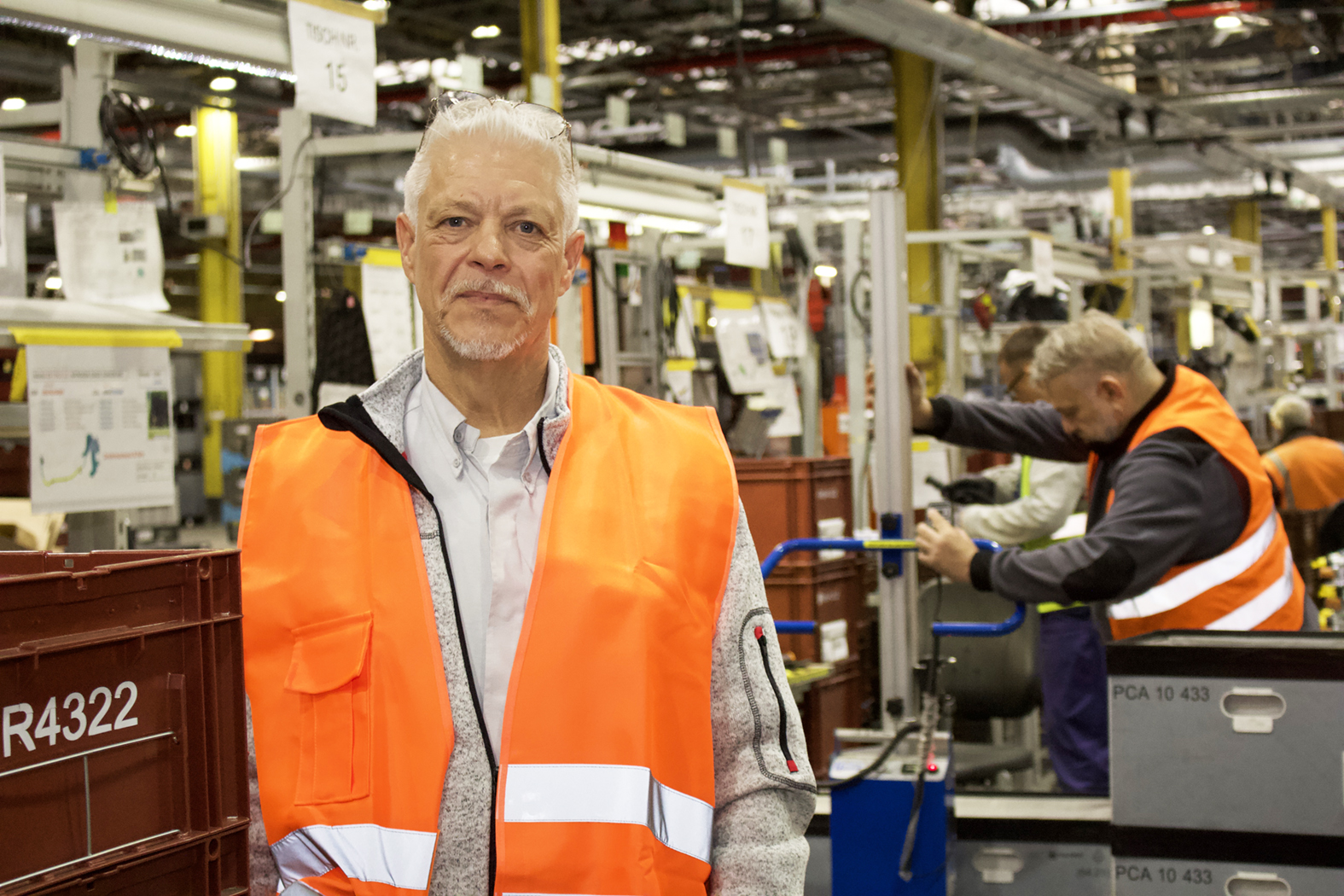
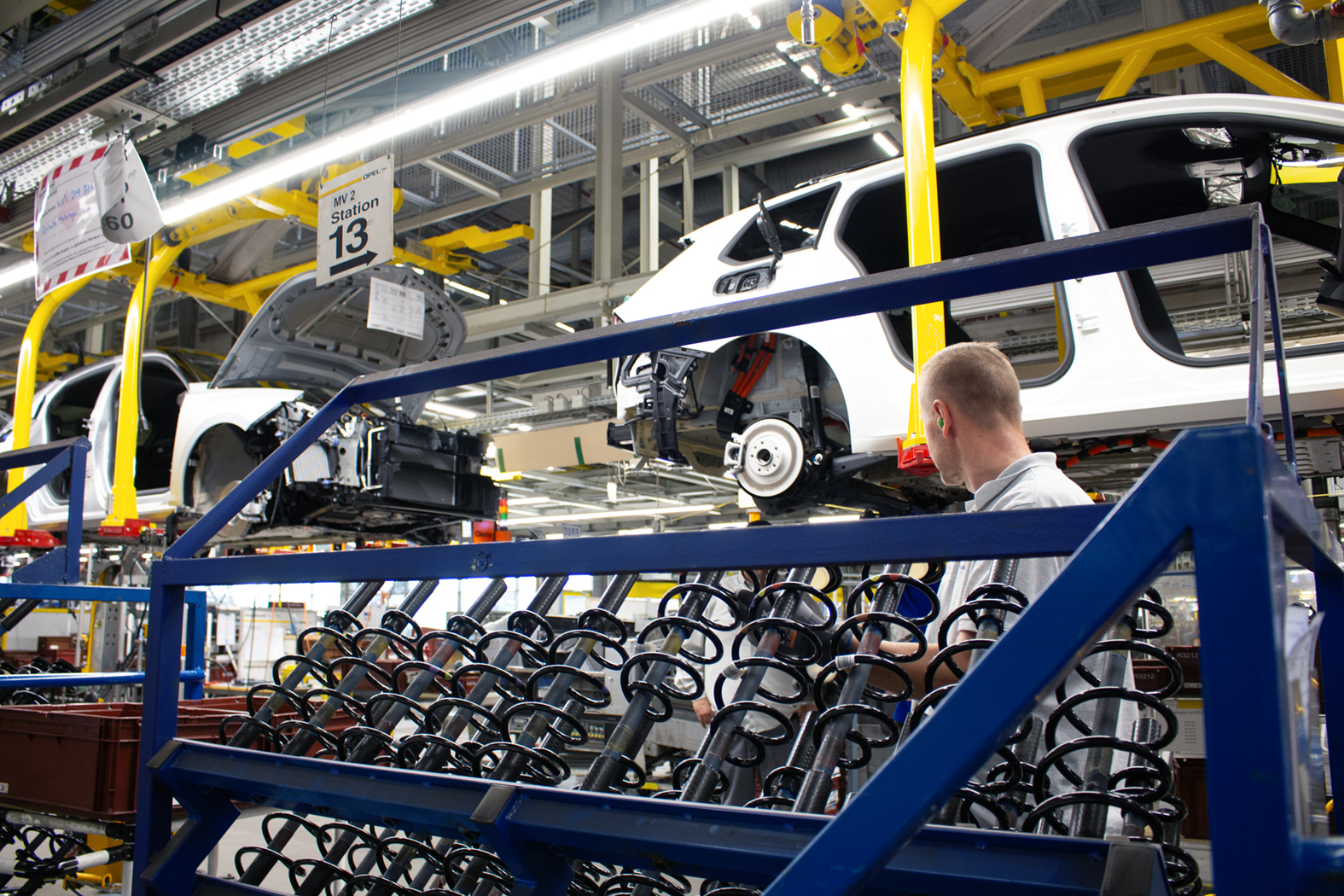
If the car is full, it is picked up. If a steering wheel variant is missing, Diana requests supplies at the touch of a button. The forklift driver gets the signal and brings new steering wheels. Angelo is working on the struts a few metres away. And Diana quickly gets the hang of it. By the time of the break, she has equipped three cars with the help of Andrea. This workplace belongs to the integration department (INA). Around 50 Opel colleagues who used to work on the production line themselves currently work in this area. For health reasons, they can no longer do so today. “Ongoing production sets the pace on the line,” says master craftsman Thomas-Reinhold Retterath. This cannot always be achieved in the long run.
An important part of production
In sequencing, the employees ensure that the right parts are in good quality and in the right sequence at the installation site on time. As soon as a body is welded and painted, the sequence for the production of the vehicles is determined. The parts are pre-sorted accordingly. No one must look for the right variant on the assembly line: The next part provided belongs exactly to the vehicle that is currently being assembled. This means that different models and equipment can be built directly one after the other – in Rüsselsheim, for example, the Opel Astra and DS 4 with different drives. In sequencing, the time pressure is lower than directly on the production line. At INA, it is therefore also about making work fit. “The decisive factor is to find a task that suits the person,” says Retterath.
“As soon as I entered the locksmith’s shop
I could see parallels to our
production.”
– Jens Schmidt, Internal Communications at the Rüsselsheim plant –
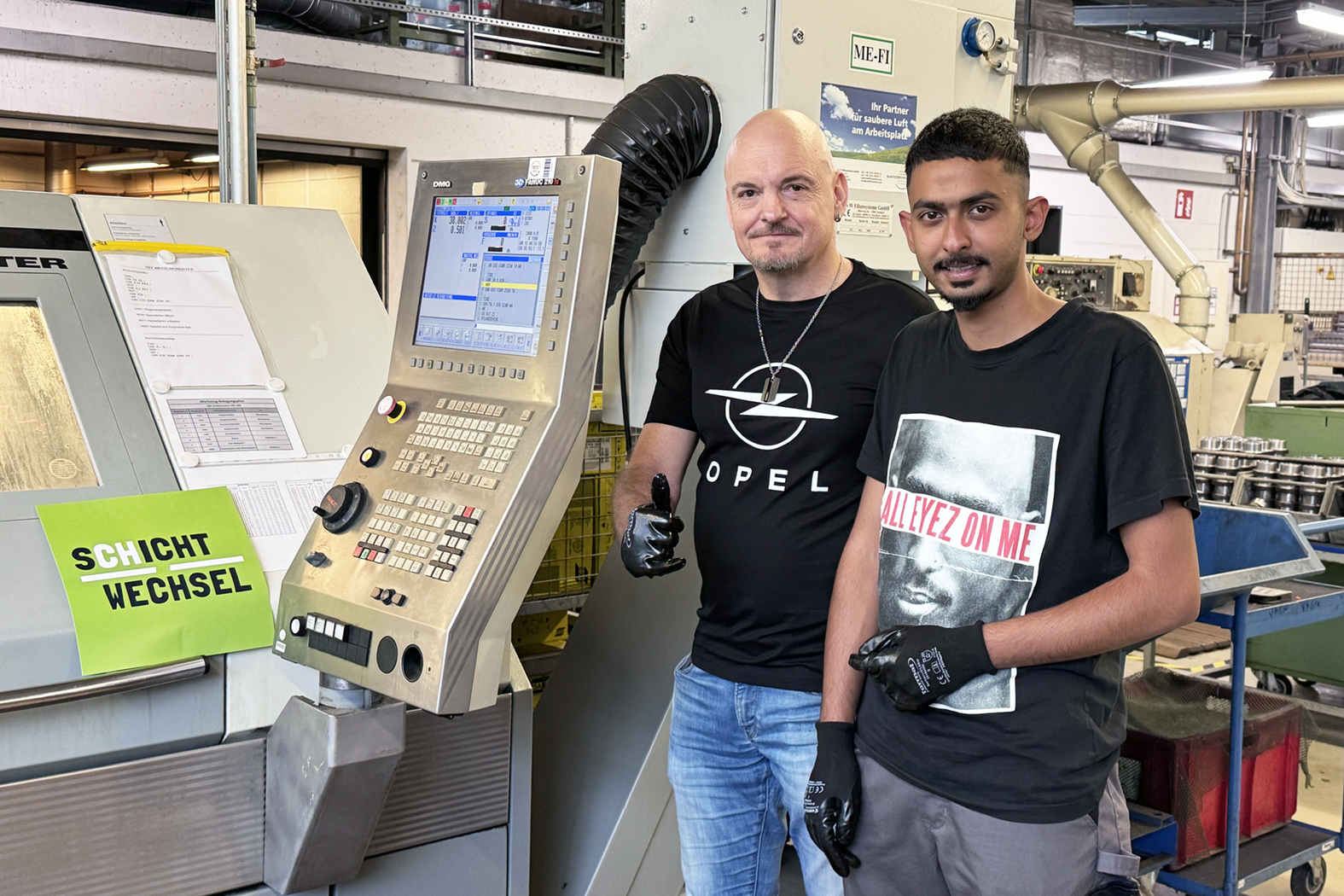
Henning Herrmann also deals with this question every day. He works in the specialist service for vocational integration at the Rüsselsheim workshops and supports people in finding a job on the general labour market. So far, however, this change has rarely succeeded. The path often begins with an internship. There, both sides can get to know each other and try out whether the work fits. Sometimes this gives them the opportunity to work longer in a company – and later perhaps switch completely to the general labour market. This requires companies that are open and have confidence in people. Changing shifts can be a first step.
Exchange in the other direction
While Diana and Angelo work at Opel, two Opel colleagues switch in the other direction. Jens Schmidt from Internal Communications and Stefan Fischer from the Masterplan team spend the day in the workshop for disabled people in Rüsselsheim-Königstädten. There they work in the locksmith’s shop. And some things seem familiar to them.
“This is my car!”
– Diana, Opel employee for a day –
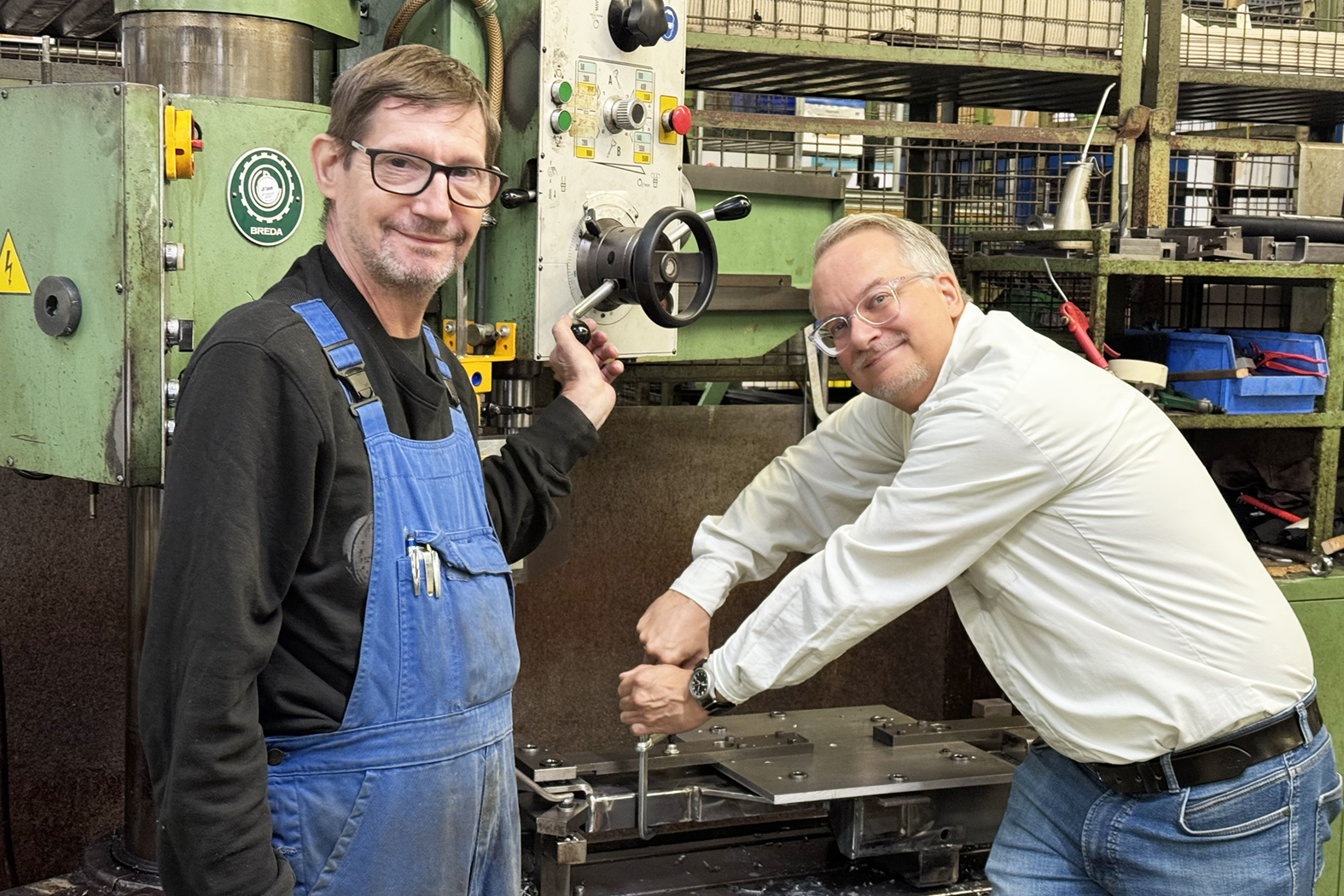
Here, too, the day begins with a production meeting. Tasks are distributed, work statuses are discussed. There are fixed work instructions and protective equipment. “As soon as I entered the locksmith’s shop, I noticed the parallels to our production,” says Jens. Together with Rainer, he drills steering calipers. Stefan makes plastic rings on a lathe with Karim. Stefan takes something else with him: “I was most impressed by the friendly atmosphere and the cordiality.” There was a lot of laughter while working, in the canteen and playing table football.
A zebra crossing without colour
Back at the automobile plant. A signal sounds. Break. After eating in the canteen – there are chips, sausage and schnitzel – Stephan Zell continues to guide Diana and Angelo through the plant. On the way, he stops at a zebra crossing. Nothing special, really. This one is: it is not painted on, but is projected onto the floor. Stephan Zell is part of the Masterplan team and deals with the future of the plant. Painting walkways again and again is time-consuming. Because the plant is constantly changing. So they try out whether there is another way.
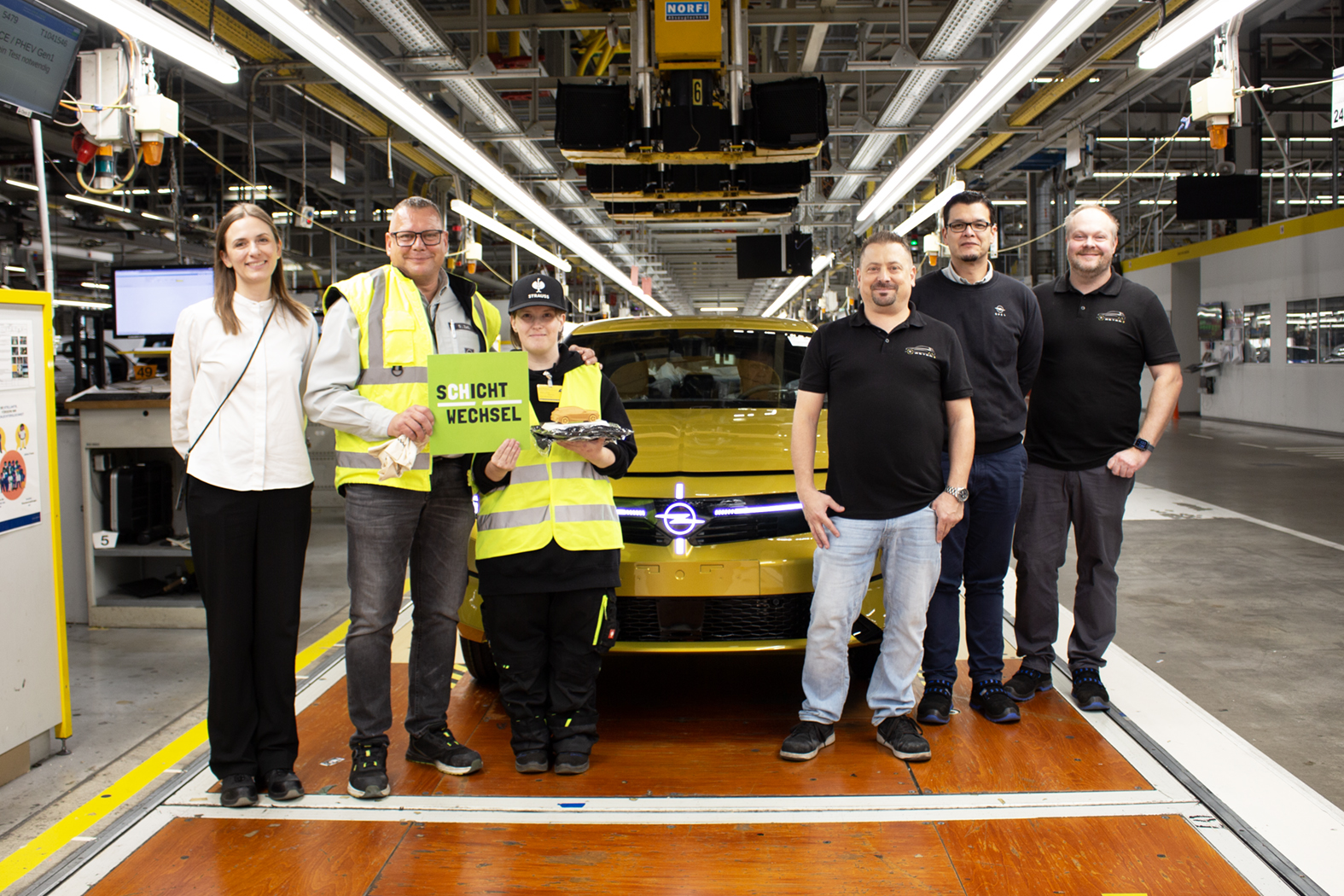
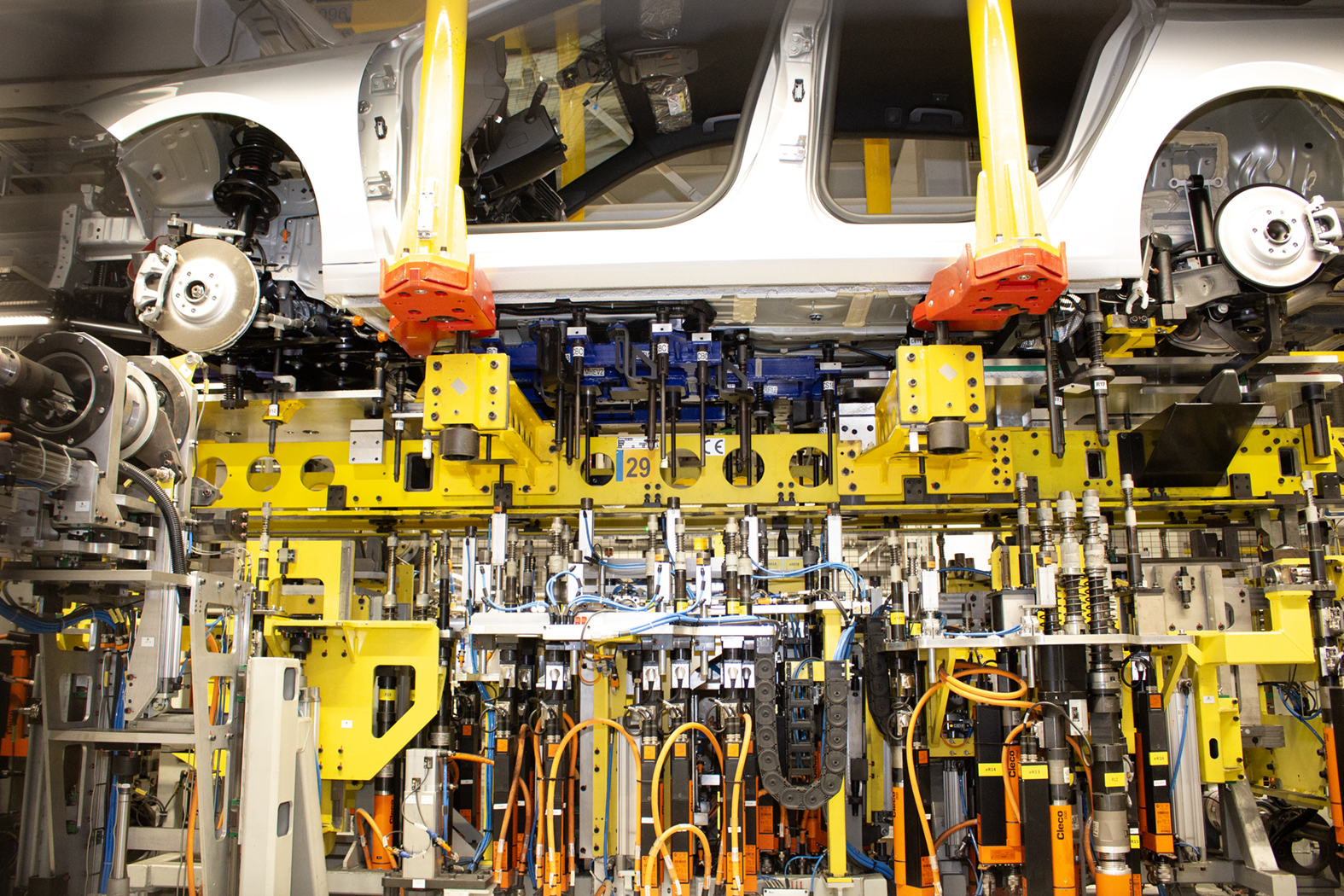
At the line, Diana and Angelo experience how people and machines work together. Melodies can be heard again and again: Nursery rhymes. If there is a problem at a station, help is called. A robot inserts a rear window. A little later, the two experience the ‘wedding’. This is the name of the moment when the body and chassis including the drive come together. Much is new. But then Diana discovers something familiar.
There’s her steering wheel
While installing the steering wheel, she sees a car that she has equipped in the morning. She beams. An employee waves her to the line. Suddenly Diana stands in the middle of it and sees one of the steering wheels she prepared being installed in an Astra. Diana claps her hands. A few minutes lates, her working day at Opel is over. And the shift change has turned into a change of perspective.
October 2026