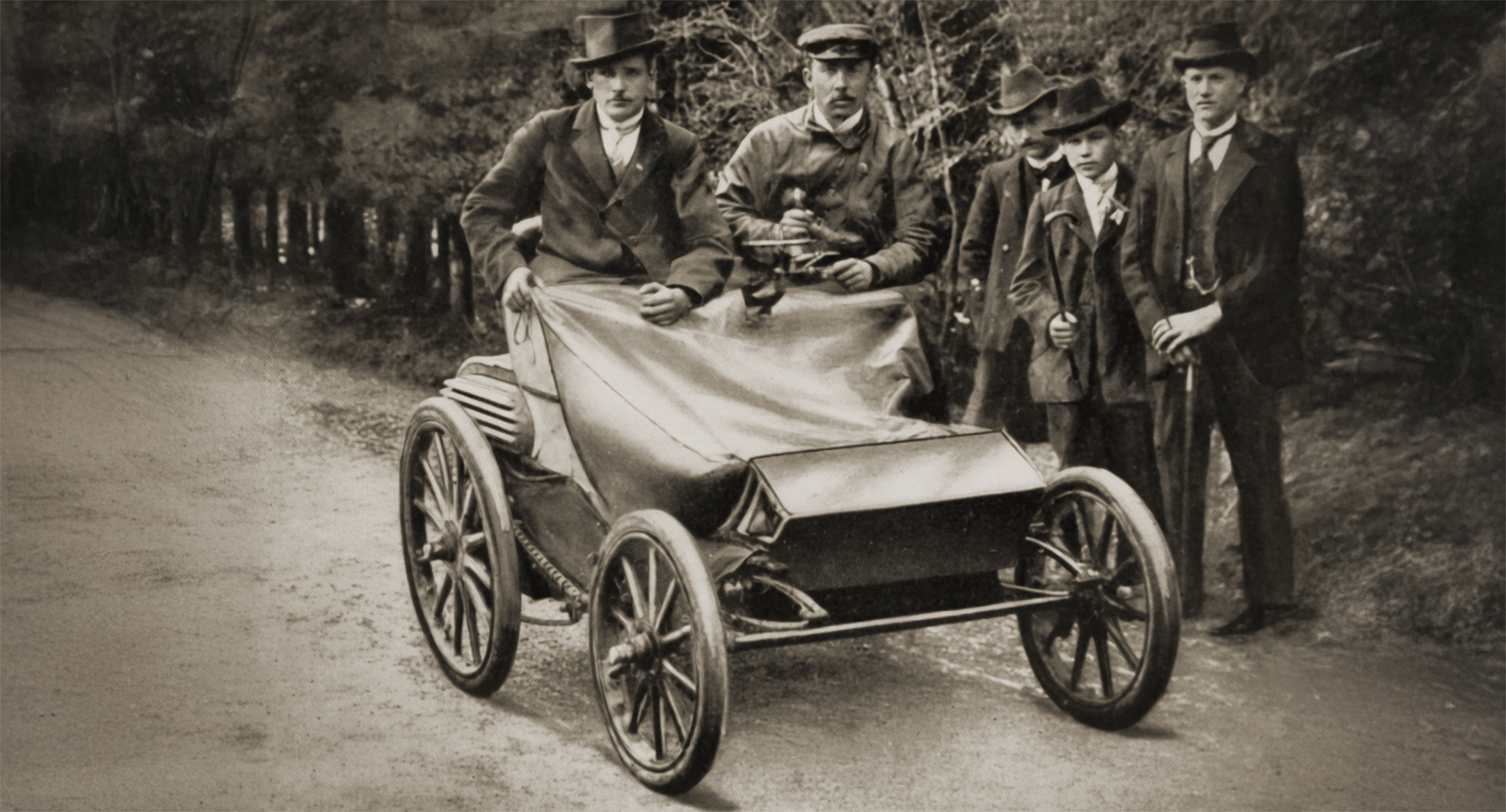
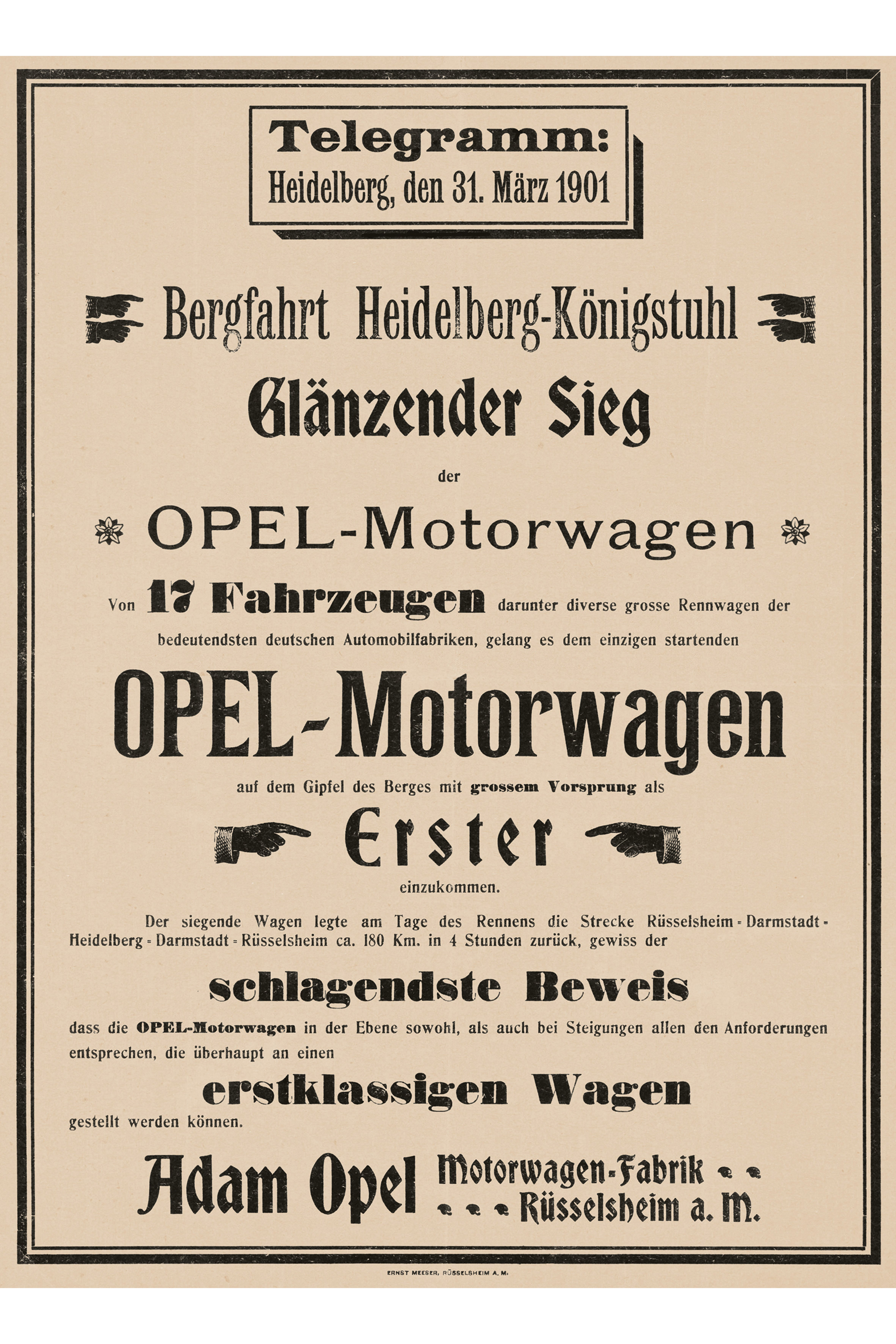
A cool morning lies over the hills near Heidelberg. The air is clear, the view extends far down into the Rhine valley. A sound unusual for the time echoes across the landscape – metallic and raw. 17 vehicles have started, including a motor car from Rüsselsheim: light-weight, gutted, reduced to the bare minimum. Heinrich Opel is at the wheel. It is March 31, 1901. A date that will make history.
The automobile race near Heidelberg, organised by the Rheinischer Automobilclub, was probably the first in the Rhine-Neckar metropolitan region and one of the first German hill climbs ever. The route up to the Königstuhl is demanding. 4.5 kilometres, 450 metres in altitude, gradients of up to 16 percent. Anyone who wants to survive here needs courage – and technology that perseveres. This is exactly what the Opel brothers had been working on in the years before. Learning from initial setbacks, lessons learned from defects, constantly improving their motor cars. Above all, one thing counts: reliability.
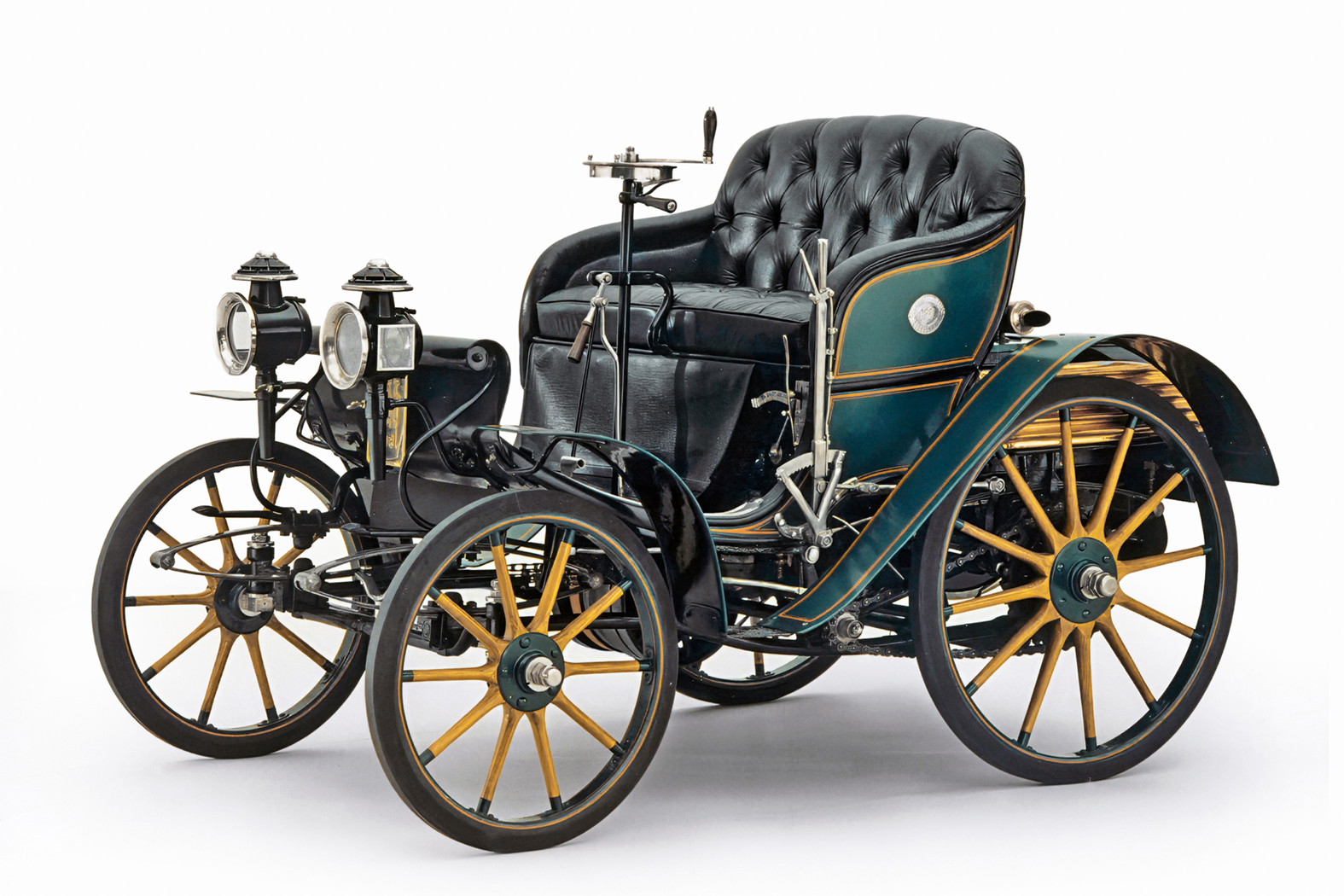
As early as 1899, Heinrich Opel competed in the long-distance race ‘Aachen – Coblenz’ – the first international automobile race in Germany. A defect prevents destroys any hope of victory. But giving up is not an option. On the contrary, experience becomes the basis for progress. At the Königstuhl, this persistence pays off. The motor car used has 5 hp – its low weight becomes a decisive advantage. Fenders, running boards, lamps: all removed. In addition, improvised aerodynamic solutions such as leather aprons and a taut knee cover that directs the airstream. What sounds like engineering today arose from intuition and pragmatism.
Heinrich Opel is concentrated, controlled, determined. Corner by corner he works his way up the mountain. The engine stops. The vehicle stops. And after 23 minutes it is clear: Opel wins. With a clear lead. The brand’s first official motorsport victory is perfect. Not only the victory itself is remarkable – but also the way to get to the race. Heinrich Opel drives the 180 kilometers to the race himself without further ado. He is on the road for four hours, with an average speed of 45 km/h. Somewhat of a sensation for the time.
Milestones of Opel motorsport
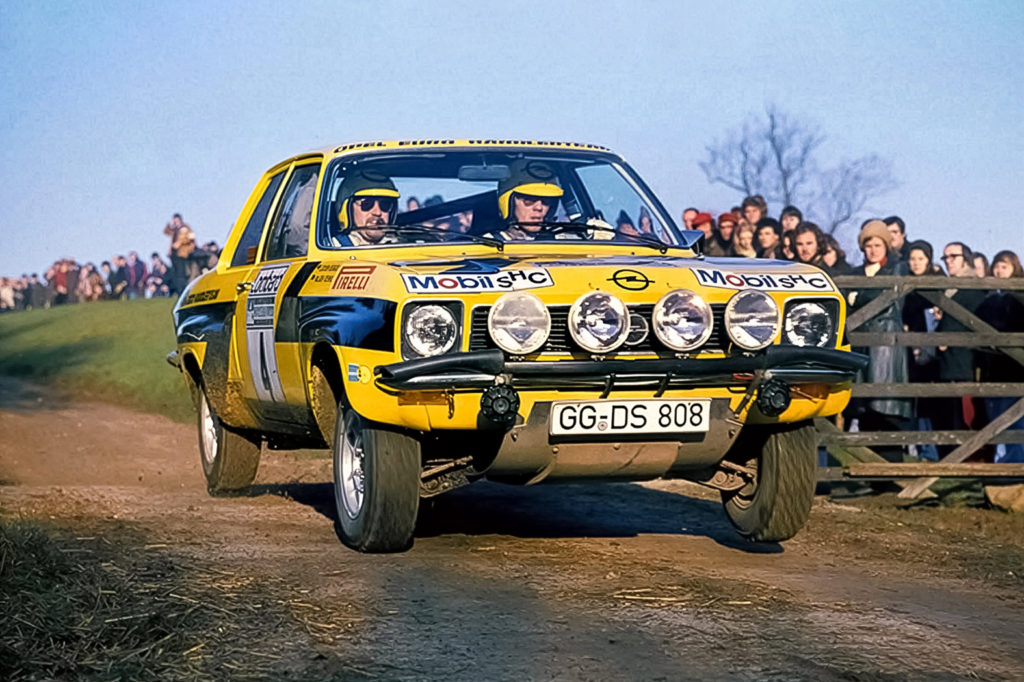
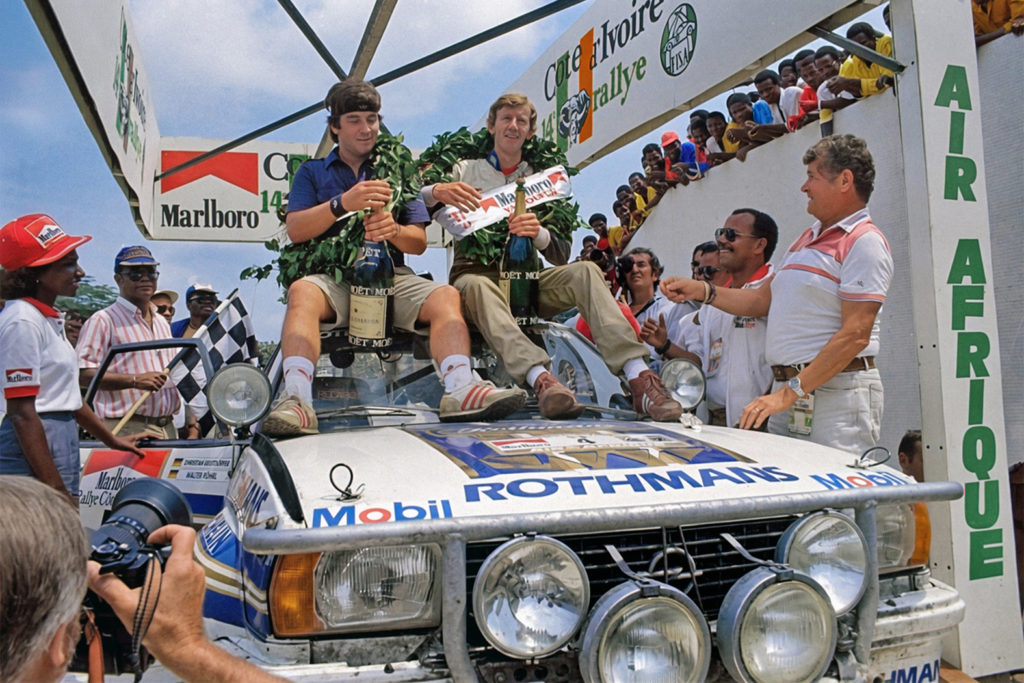
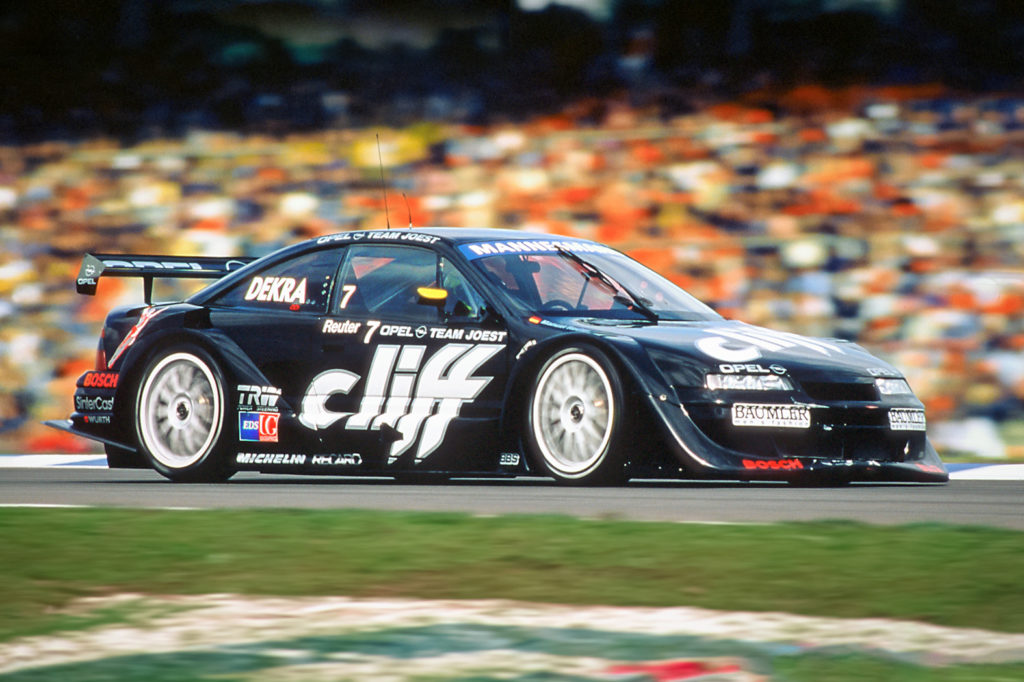
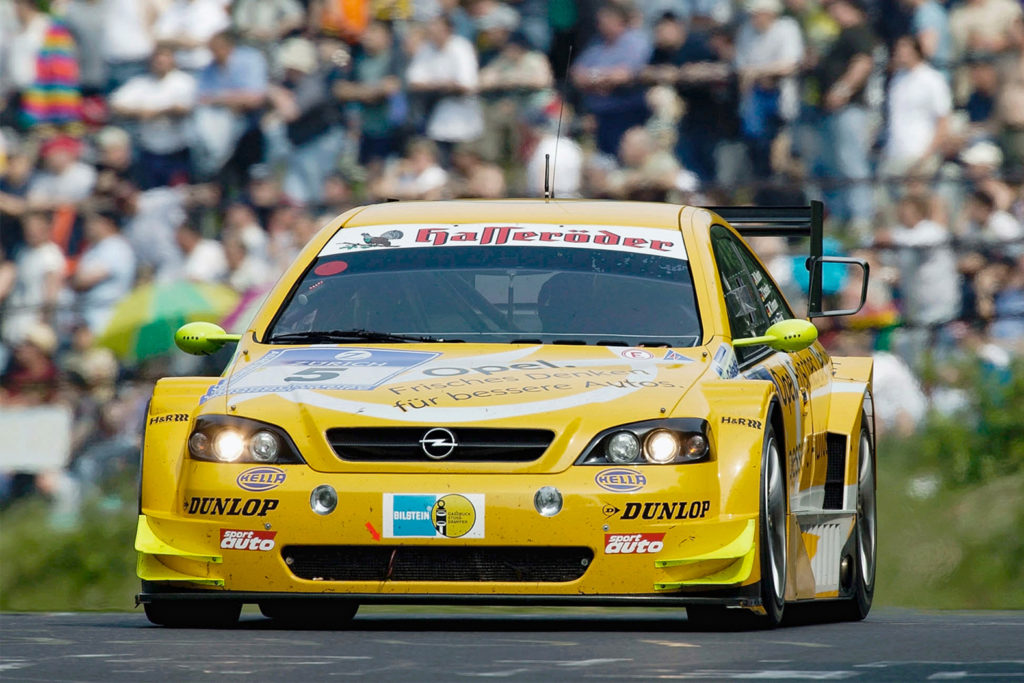
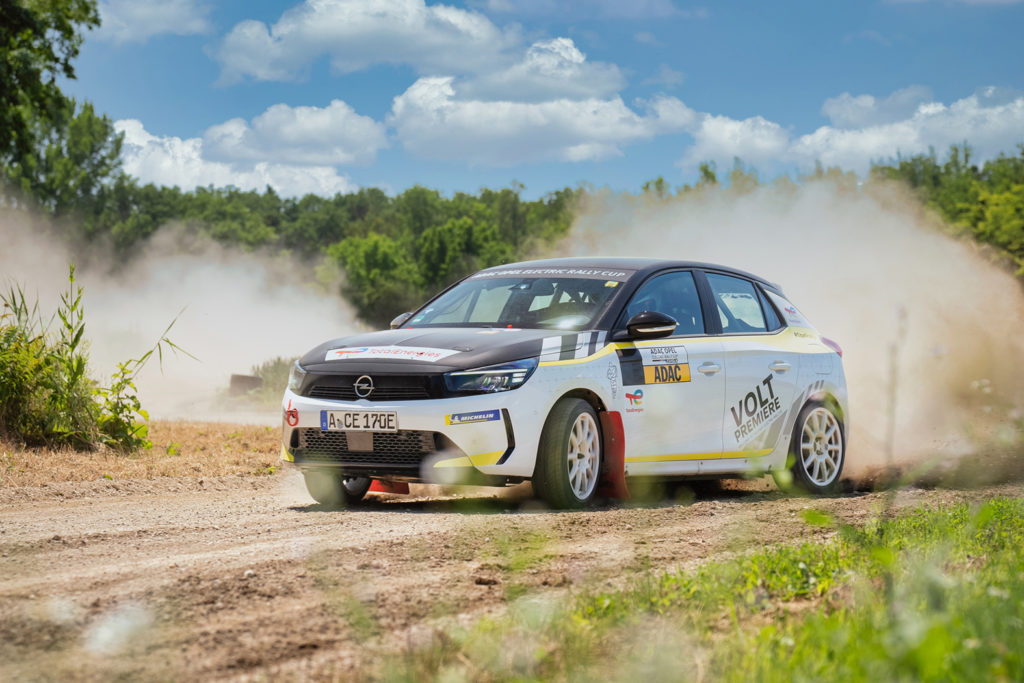
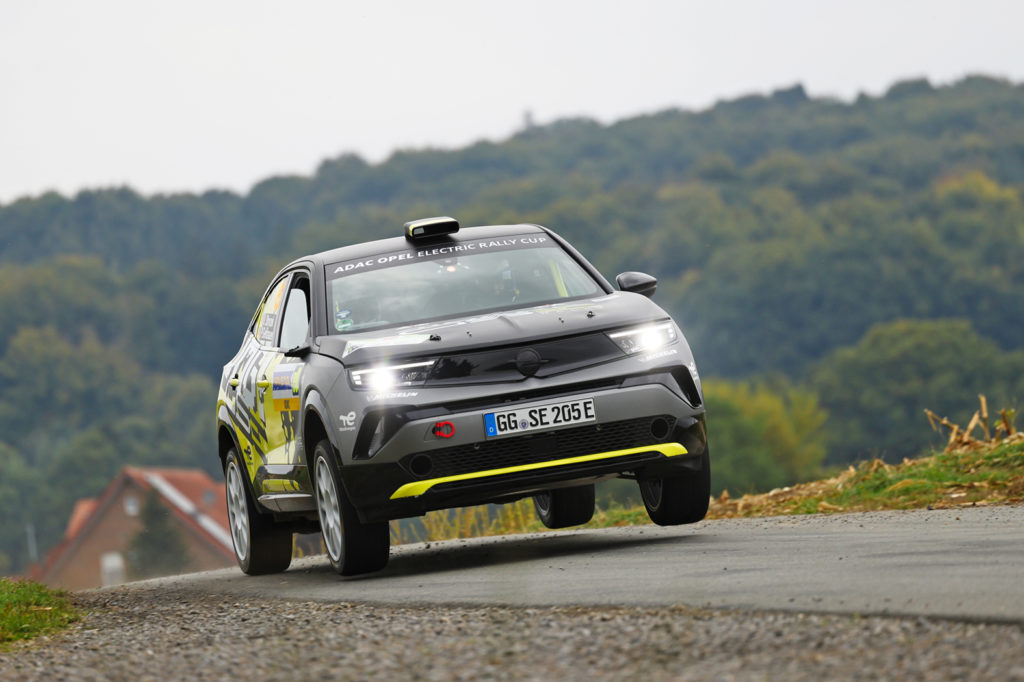
The ‘founding years’ of motorsport at Opel lay the foundation for a success story. The brand made an early statement, especially in rallying: in 1966, the Swede Lille-Bror Nasenius won the European Rally Championship for production touring cars in an Opel Rekord B – one of the first major international titles for Opel. The name Walter Röhrl is inextricably linked with rally history. In 1974, he won the European Rally Championship together with Jochen Berger in the Opel Ascona. Eight years later, the next milestone followed: in 1982, Röhrl became World Rally Champion together with Christian Geistdörfer in the Opel Ascona 400. Opel also made history on the racetrack: In 1996, Manuel Reuter secured the title in the International Touring Car Championship (ITC) in the legendary ‘Cliff’ Calibra. In 2003, Opel triumphed at the 24-hour race at the Nürburgring with the Astra V8 Coupé. Today, Opel is consistently continuing this tradition – with electrified motorsport in the one-make rally cup and its entry into Formula E.
The success at Königstuhl is no coincidence. Just one year later, the confirmation followed: with the support of the French manufacturer Alexandre Darracq, a significantly more powerful car was created. At the next hill climb at the same location in 1902, Heinrich Opel pulverised the best time – more than four minutes ahead of the competition. And Opel remains on course. The brand recognised early on that motorsport was more than competition. It is a stage, test bench and accelerator at the same time. What works here improves the production vehicles. What wins here strengthens the image.
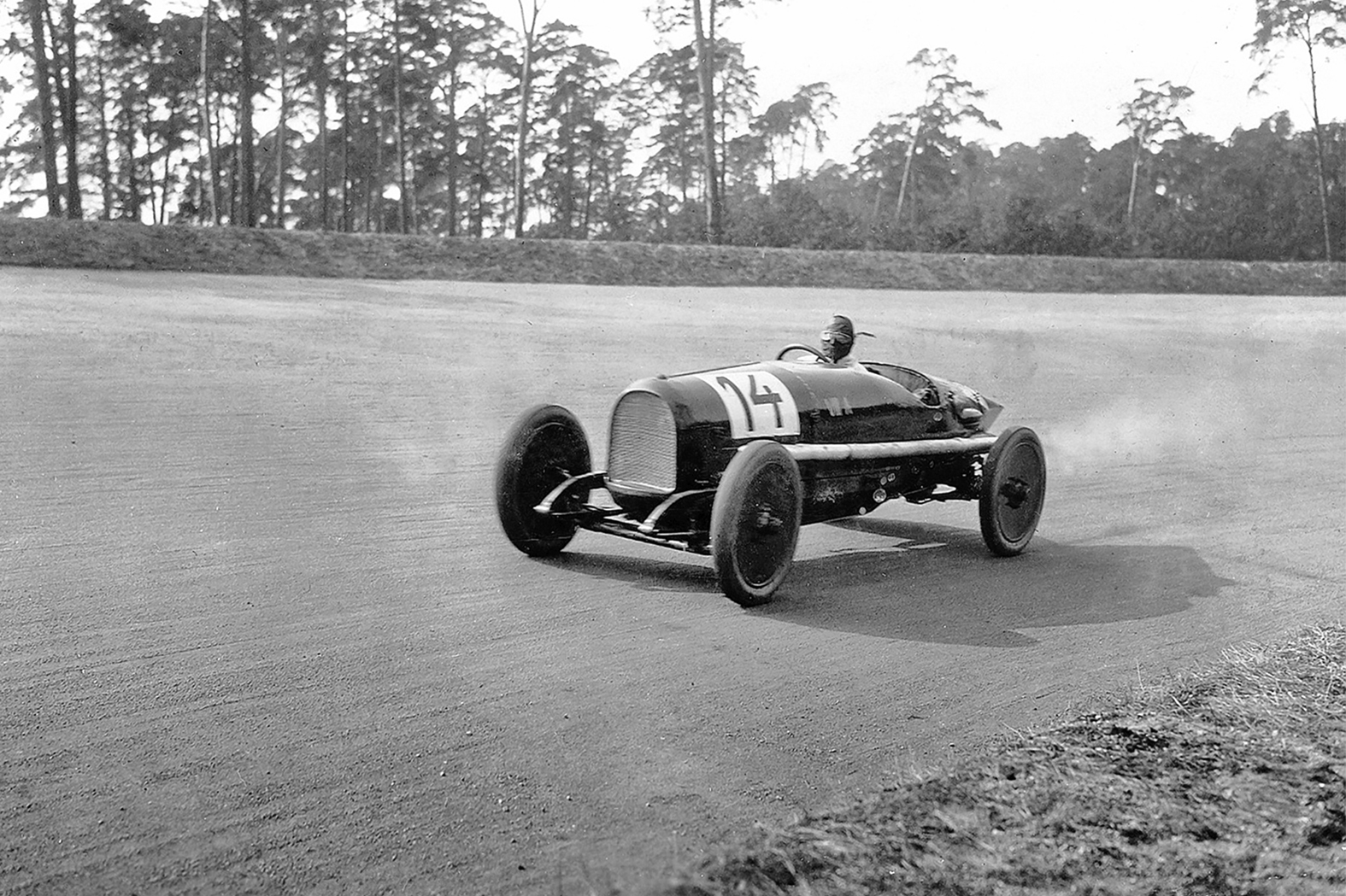
Then in 1921 another milestone: At the newly opened AVUS in Berlin, more than 200,000 spectators cheered when Fritz von Opel drove to victory in the fiery red racing car. Average speed: 128.84 km/h – a new dimension. The ‘founding years’ of motorsport at Opel are characterised by pioneering spirit, courage and technical ambition. What begins at the Königstuhl has developed into a success story over decades. Today, Opel is opening a new chapter with its entry in Formula E – and consistently transferring its motorsport DNA into the electric age. 125 years after the first victory.
April 2026