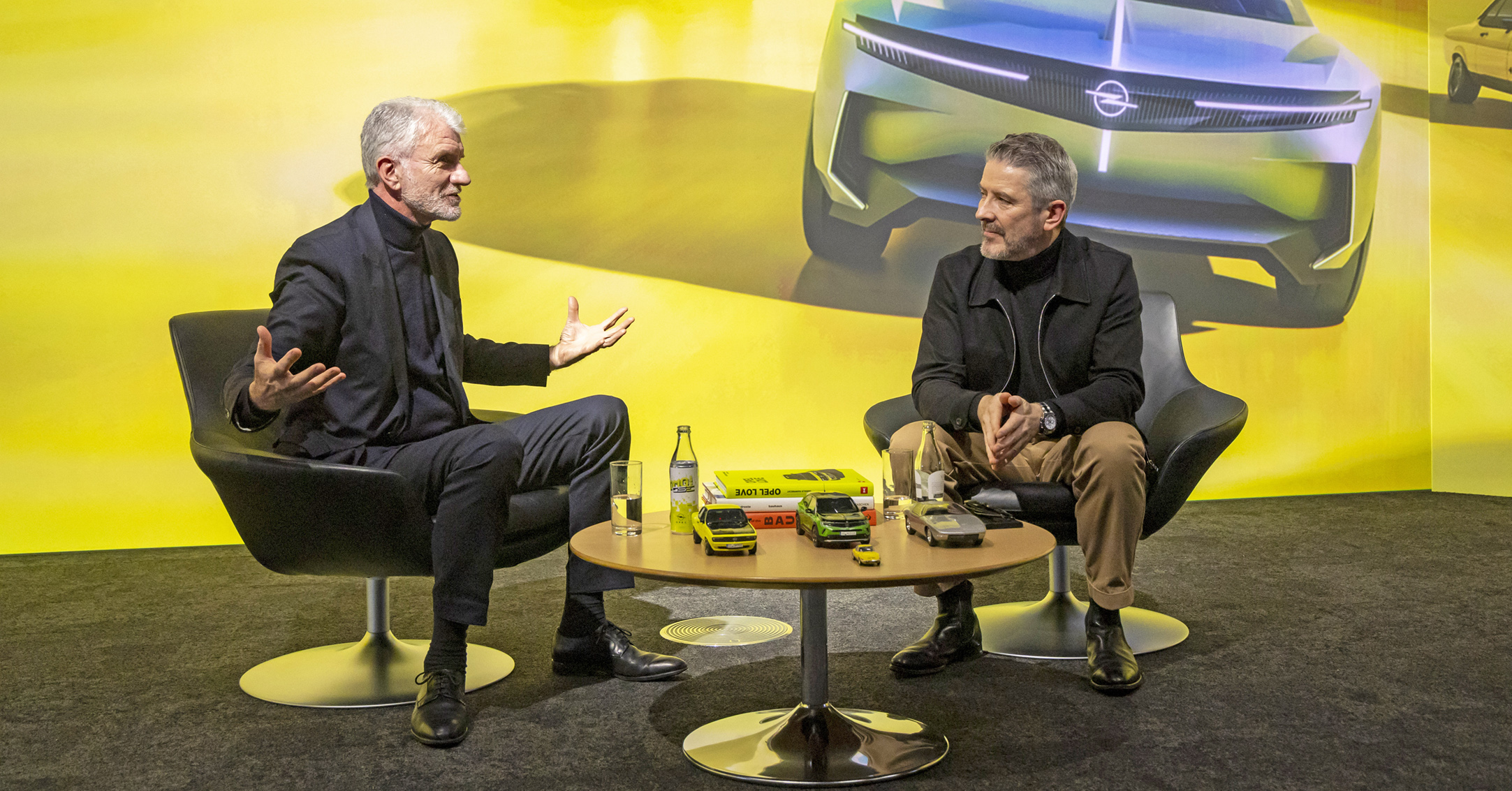
Gilles, what is good design?
Gilles Vidal: Design is officially the number one reason to buy a car in Europe – even before price or performance data. That’s exactly why it’s no longer enough to simply design a ‚good-looking‘ car. Good design is more than aesthetics; it is an intricate science and art form now. In an extremely competitive environment, it must do one thing above all: stand out. The decisive factor is a clear and unmistakable character. This can only be achieved holistically – from silhouette and design language to details, cockpit and interactions to colours, materials, graphics and the entire experience. Our ambition is to sharpen brands and create models with iconic potential. Because in this world, it’s always better to do something daring than something bland.
How does the claim differ depending on the brand?
Gilles Vidal: The expectation varies significantly depending on cultural context. French or Italian brands can embrace a more playful, expressive approach. With a German brand, the expectations are different. Precision, quality, and a certain mastery in execution are fundamental.That’s why I think Mark and his team have found an excellent approach with ‚Bold & Pure‘. ‚Bold‘ injects energy, ‚Pure‘ stands for clarity – it is precisely this balance that seems German and modern at the same time.
Mark Adams: We’ve been working for a long time to boil down our stance to two of these words: ‚Bold & Pure‘. During this time, we often talked about Dieter Rams internally. If you compare his products from the late 1950s with early Apple designs, you can see astonishing parallels: If you think progressively, but implement cleanly, reduced and precisely, design can remain modern for a very long time.
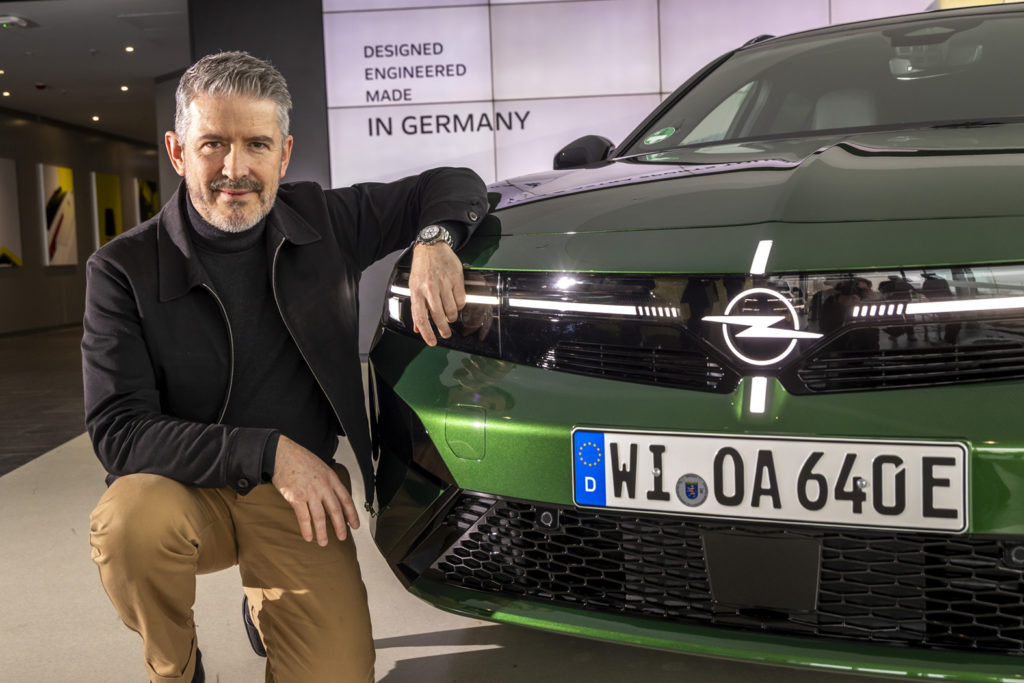
Gilles Vidal
Head of Design, Stellantis Europe (since October 1, 2025)
Born in France in 1968, Gilles Vidal has more than 30 years of experience in automotive design. After working for Citroën and more than 25 formative years at Peugeot, he was responsible for successful models such as the Peugeot 308, Peugeot 3008 and Peugeot 208, which won several awards as „European Car of the Year“. After five years with the Renault Group, he returned to Stellantis in 2025 and has since managed the design strategy of the group’s European brands.
What factors determine whether a car becomes an icon?
Gilles Vidal: Opel has a history of iconic products. But this is something that is not decided by designers. It would be arrogant to say, ‚This is going to be an icon.‘ Only time and of course the customers decide this. Ambition is important. Our aim must be to design every car in such a way that it has the potential to become an icon. It takes courage to do that. Fifteen or twenty years ago, playing it safe and being conservative was often the easier path. Today, the world is faster – fashion, tech, and consumer electronics are developing at a rapid pace. In this context, brands must be sharper than ever: distinctive, focused, and meaningful. Because in the end, an icon is not just a product, it is a statement that stands the test of time.
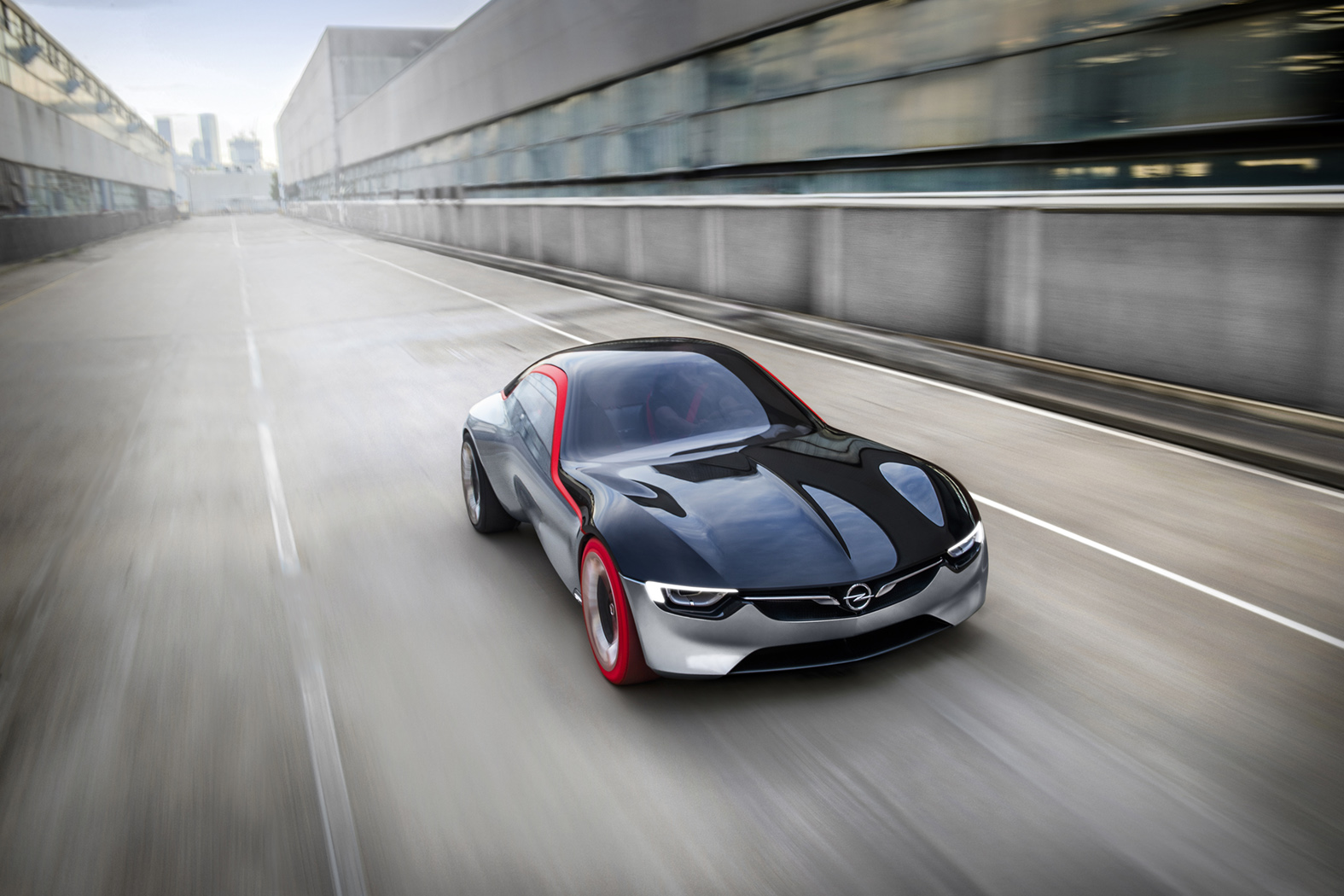
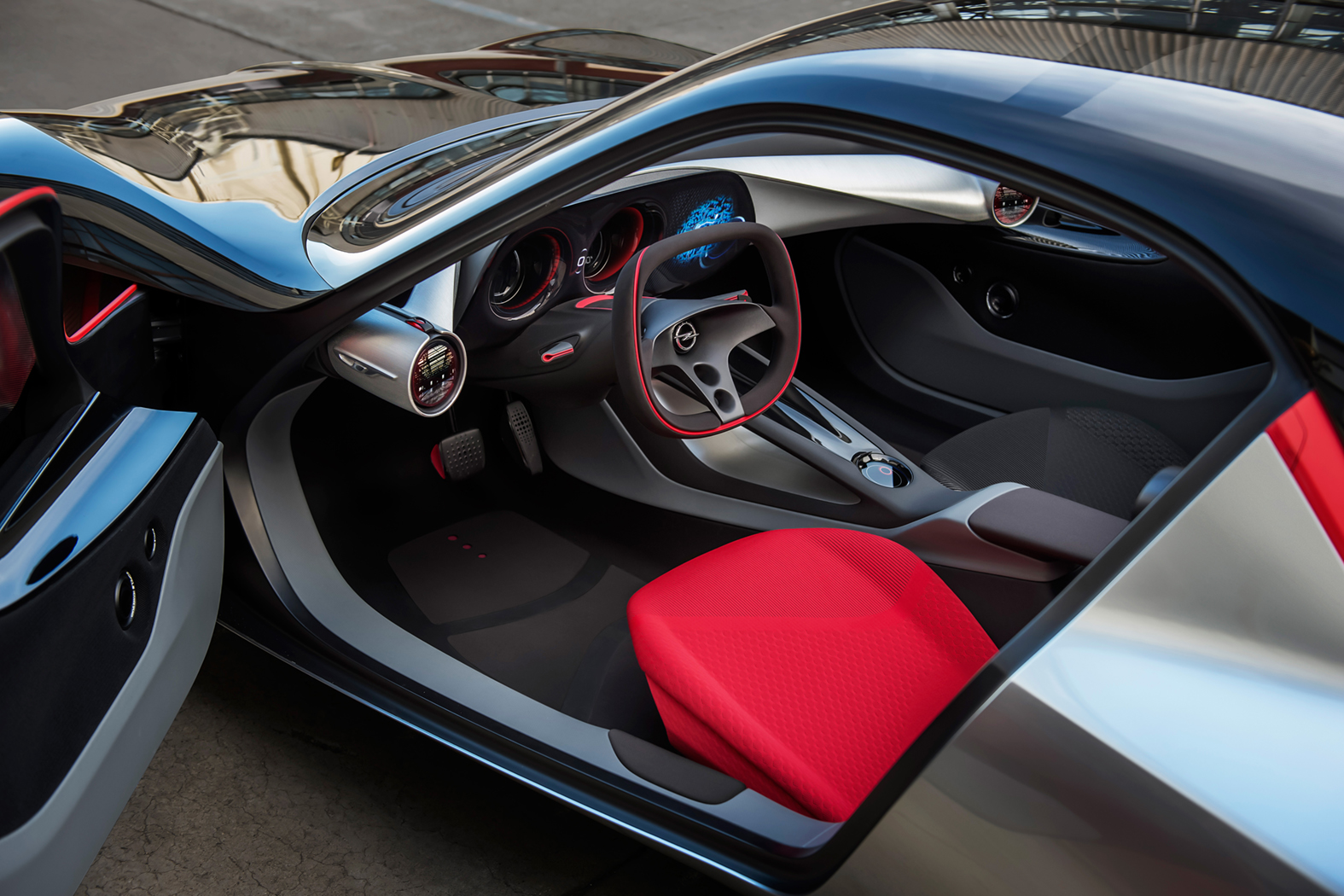
Mark Adams: That’s exactly where the core lies. For me, German thinking means that a car must not be overdecorated. Clarity is not a sacrifice, but an attitude. At the same time, you need to maintain the balance of staying true to your roots and allowing innovation. Our Opel GT Concept, for example, is a great example. We presented this study 10 years ago and it still looks fresh and modern today. If an idea is properly thought out and precisely implemented, it can stand the test of time.

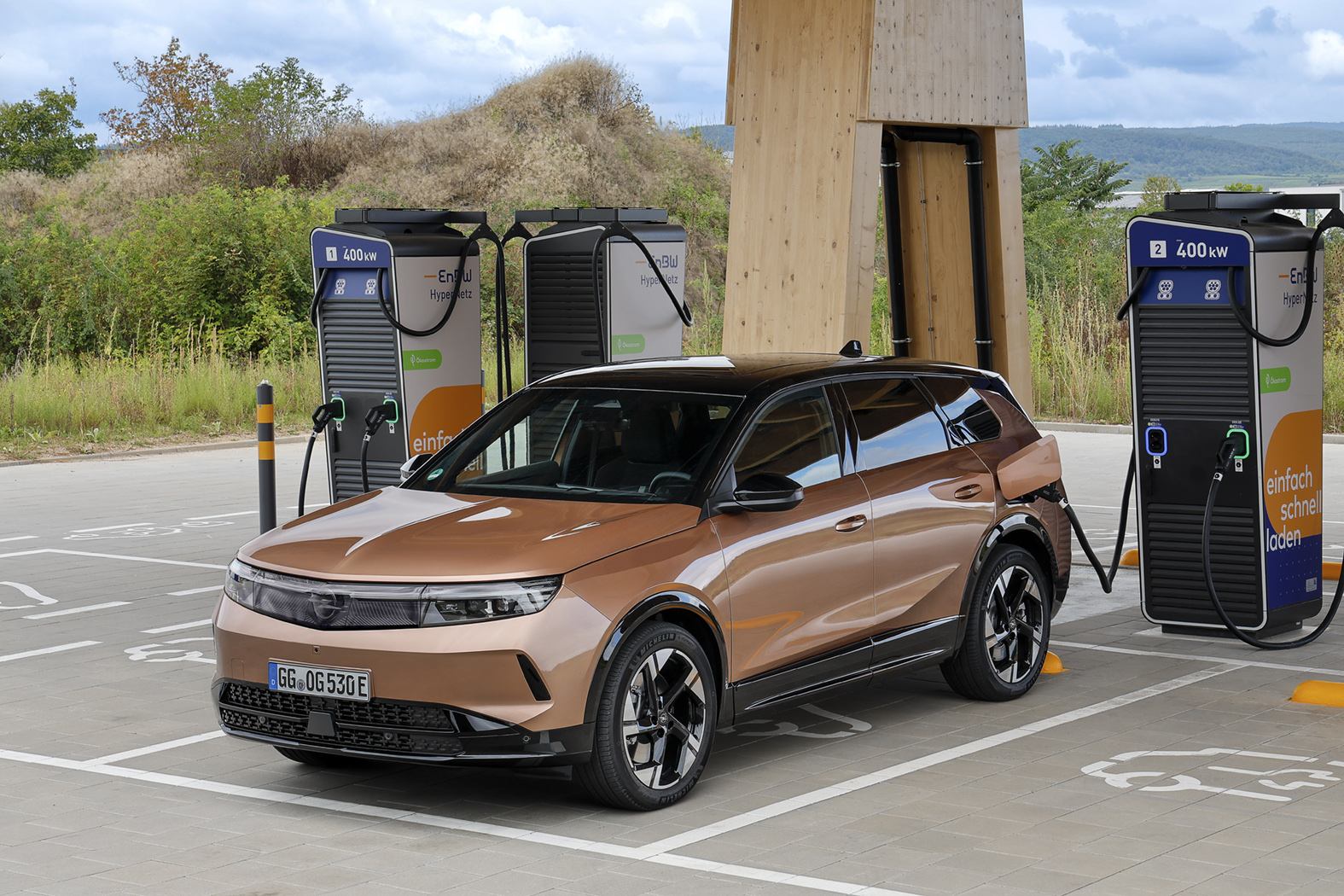
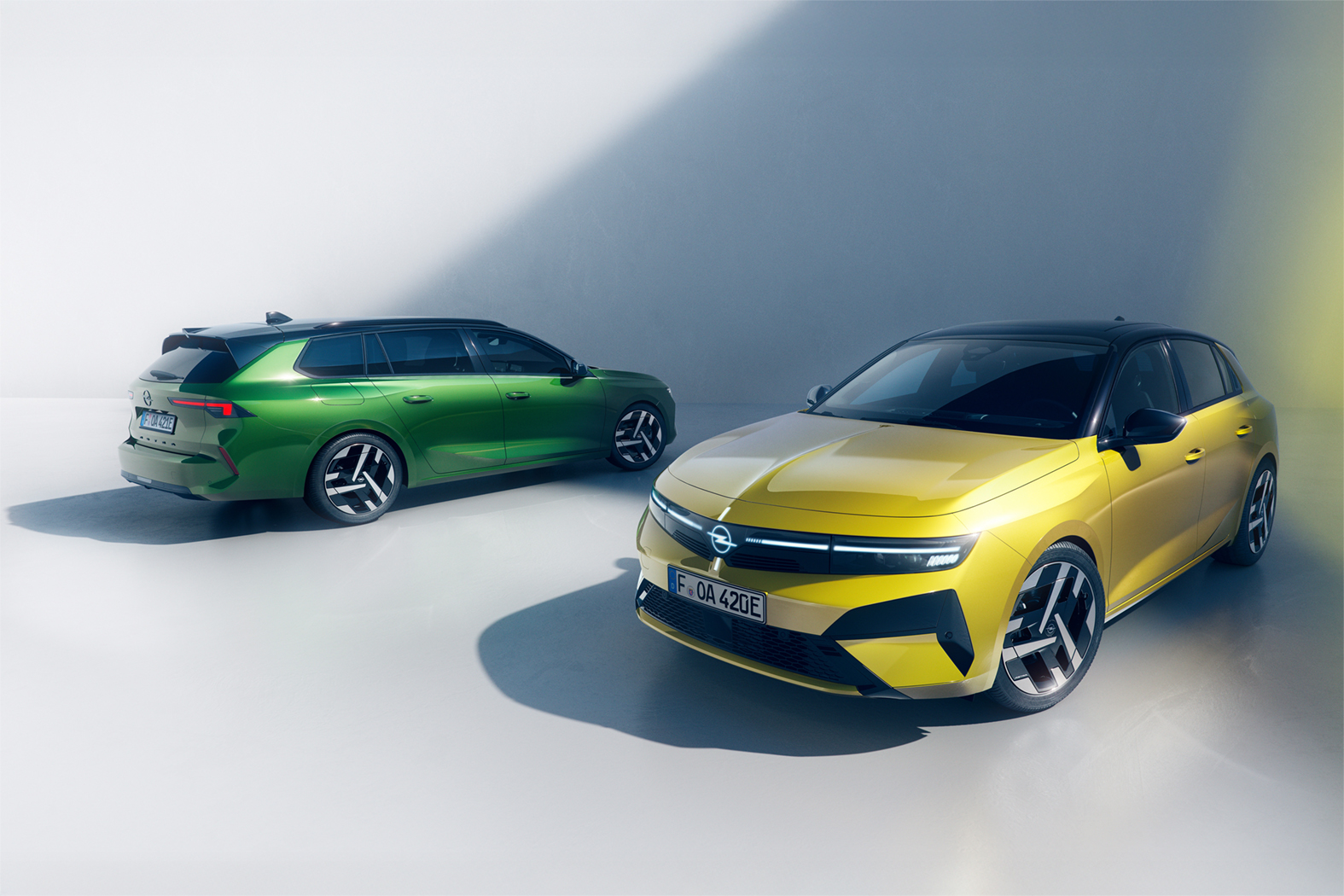
What special challenges does the further development of the Opel brand entail?
Gilles Vidal: The demand for perfection in execution is particularly high at Opel – and that makes changes more challenging. You can’t just get louder or over-the-top. You need to preserve your identity and at the same time take the next evolutionary step. Opel must be progressive and bold – but never sensationalism. That’s challenging, but exactly where the strength of the team lies.
Mark Adams: For us, this is a productive area of tension. We know very well what Opel stands for – and we don’t want to dilute this DNA. Instead, we want to build on that and express it in fresh new ways, but always with purpose.
Electric cars also offer new freedom in terms of design. Where is the journey going?
Gilles Vidal: Electric platforms mean more freedom in packaging, different overhangs, a new cabin-to-body ratio. From a technical standpoint, almost anything becomes possible. But possibility alone is not the goal. Acceptance is key. Many customers want something they understand when making the switch. If you drift too much into science fiction, it can fail. Innovation must feel progressive, but also reassuring.
Mark Adams: From our customers, we repeatedly hear: “I just want a great looking car. If it’s electric – all the better.” We are in a transitional phase in the market at the moment. Aerodynamics and efficiency will become more important in the future and so this will continue to drive technological breakthroughs, which in turn will lead to new proportions and body types.
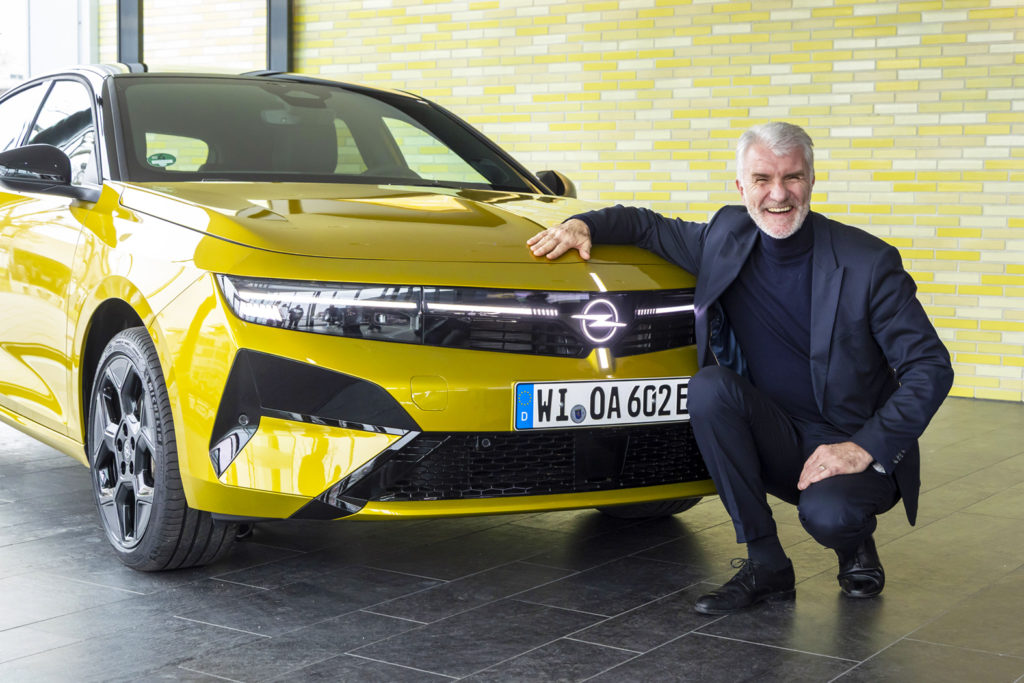
Mark Adams
Vice President Design, Opel/Vauxhall
Born in the UK in 1963, Mark Adams has been Opel’s Chief Designer since 2012. After international positions in the GM Group, he established the brand formula ‘Bold & Pure’ at Opel. Under his leadership, models such as the current Opel Astra, Opel Mokka and Opel Corsa were created. Adams stands for a clear, reduced design language and precise positioning of the brand within the Stellantis Group.
Is there currently room for emotional models such as Diplomat, Commodore or Calibra?
Mark Adams: Opel is traditionally strong in northern European markets, where there is a pronounced affinity for some icon vehicles from Opel’s past. We can of course develop models that carry the spirit of previous icons – with character, presence and personality – and at the same time interpret them in a way that appeals to a modern audience.
Gilles Vidal: I have a very personal relationship with Opel. My father and grandfather were Opel dealers. My first car was an Opel Corsa, and I dreamed of a Calibra. I remember this presence, the feeling of performance. Such attributes – personality, energy, character – can be interpreted and democratised in a modern way.
Many cockpits have a similar effect today. How important is brand-specific user experience?
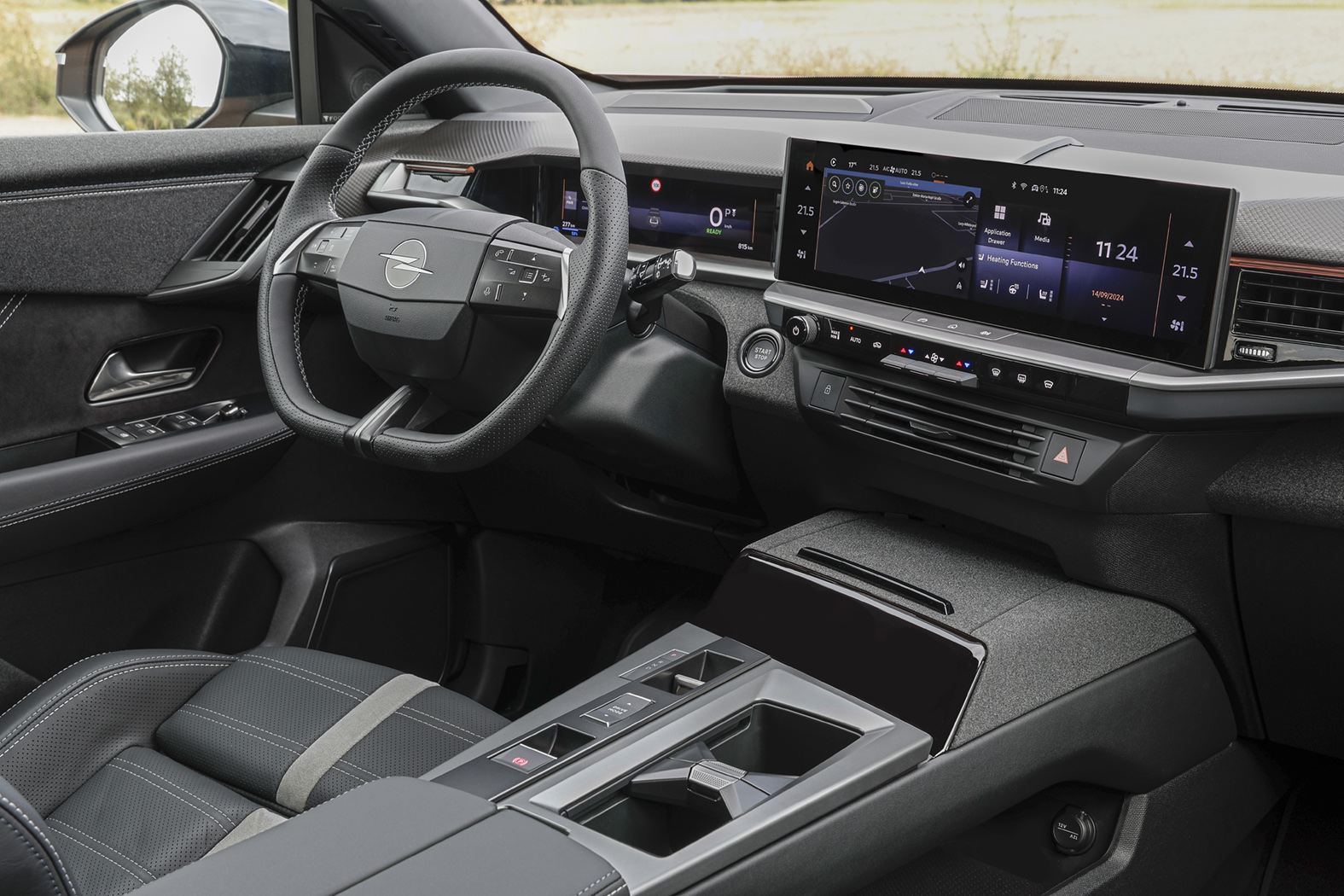
Gilles Vidal: It is absolutely essential. On one hand, we must deliver the highest level of user experience: intuitive, safe, and ergonomically flawless. That is the baseline. But beyond functionality, a cockpit must express the brand. The experience should feel unmistakably Opel. This only happens when everything is conceived as one coherent vision: exterior and interior design, UX and UI, graphics, lighting, materials. They cannot be developed in isolation. When all these elements speak the same language, the result is more than a functional interface; it becomes a true brand experience.
Mark Adams: For Opel, we talk about a ‚Pure Experience‘. Many people find modern vehicles overloaded. Our goal is: clear. To make our interiors intuitive and detoxed but at the same time more immersive and emotional.
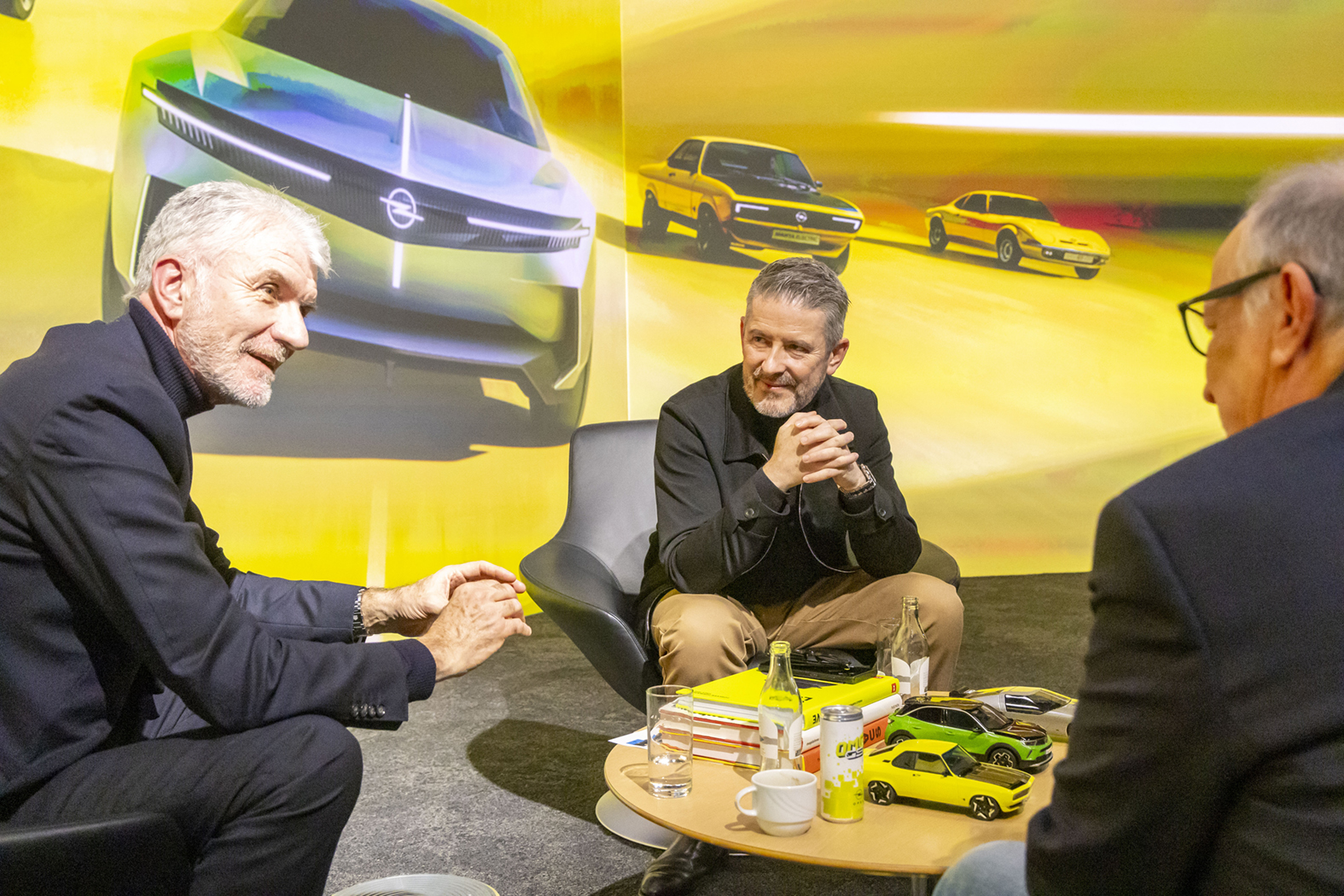
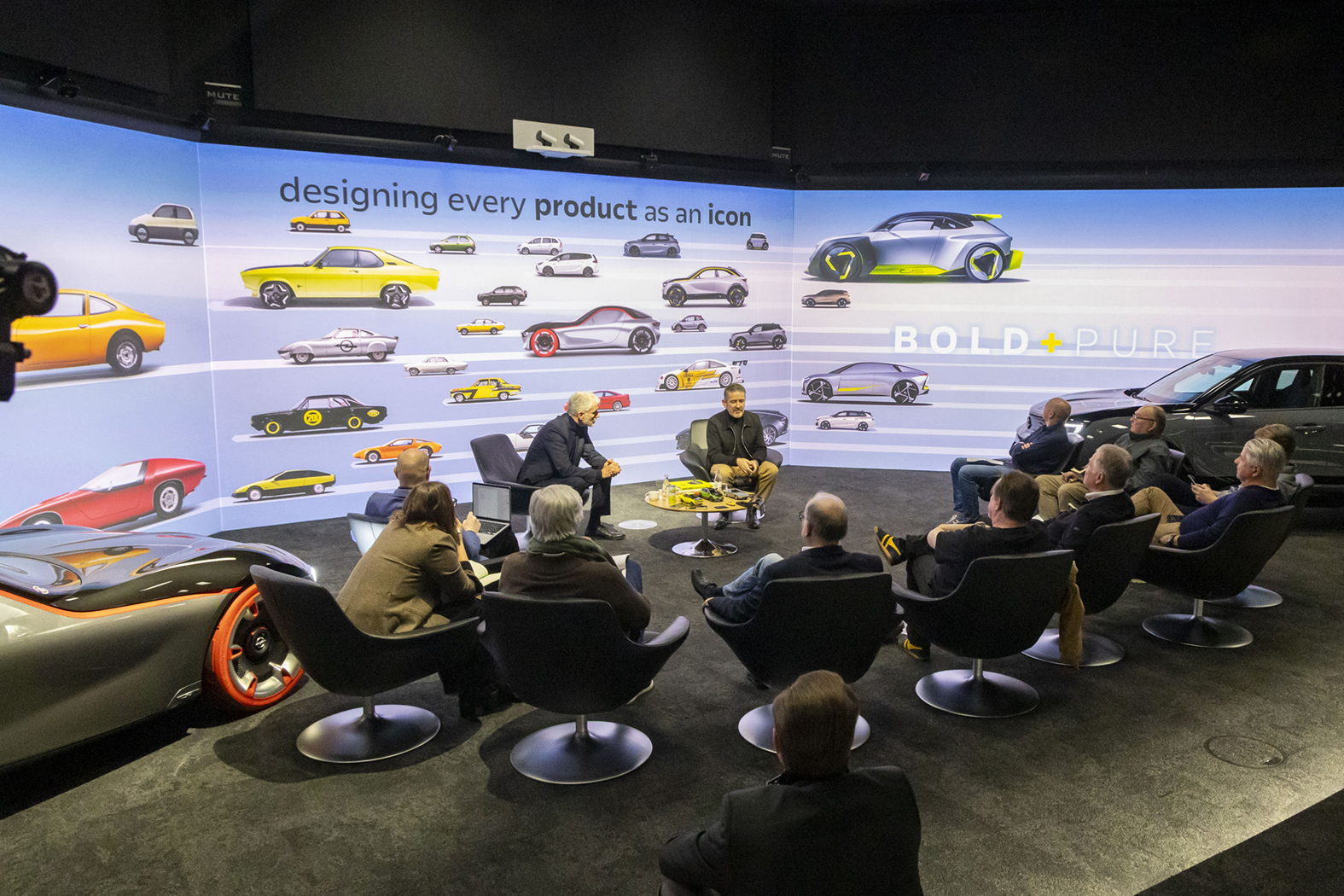
Will there be more courage again when it comes to colours and materials?
Gilles Vidal: Definitely. For a long time, black, white and grey dominated. But the world is opening up again for colour and joie de vivre. Creativity in form, light, graphics and materials is becoming more important. We are becoming more courageous here.
Mark Adams: The clear answer is yes! At Opel we have some great executions coming in this area. Fresh, modern and engaging – but always in line with the brand’s DNA.
How clear is Opel’s design positioning at the moment?
Gilles Vidal: Today, Opel stands for strong, high-quality products that make clear and confident statements. There is a visual precision and a sense of focus that project a very forward-looking attitude. At the same time, the world is getting faster – expression can become more intense but always controlled and in harmony with the roots.
Mark Adams: Yes, we have very sharp and clearly defined positioning and let’s not forget, we are the only German brand in the group, so we have a very important role to play. We have a lot in the pipeline with some very exciting progressive designs moving into the future.
March 2026