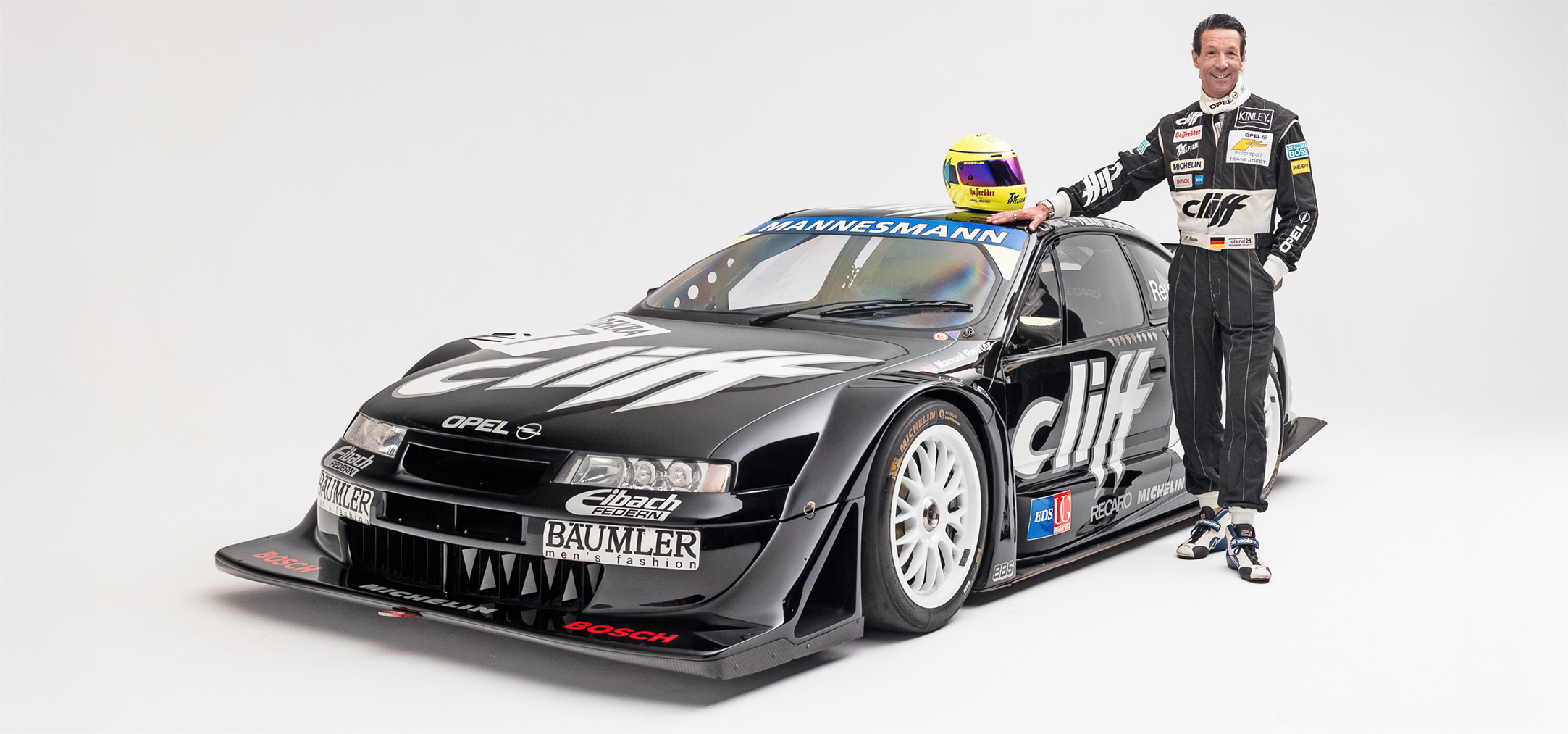
São Paulo, October 27, 1996: Manuel Reuter crosses the finish line in fourth place in the black Opel Calibra V6 4×4. At that moment, his team sends him a message on the cockpit display. A single word: “Champ”. Reuter is taken aback. Does that mean he has won the title? “First of all, I asked if they were sure and hadn’t miscalculated,” recalls the now 64-year-old. But the calculation was right. Reuter is the ITC champion – winner of the International Touring Car Championship, the highest international touring car series at the time.
And that after a race weekend on which pretty much everything threatened to go wrong. Reuters Calibra had already fallen off a pallet during loading at Frankfurt Airport. Two shock absorbers broke, two others were bent. In São Paulo, set-up problems and a training accident followed. The result – twelfth place on the grid. In the first race, Reuter fought his way up to fourth place on a damp track. But before the second race, the starter played up. Instead of starting from the starting grid, he had to start from the pit lane. In addition, the rain intensified.
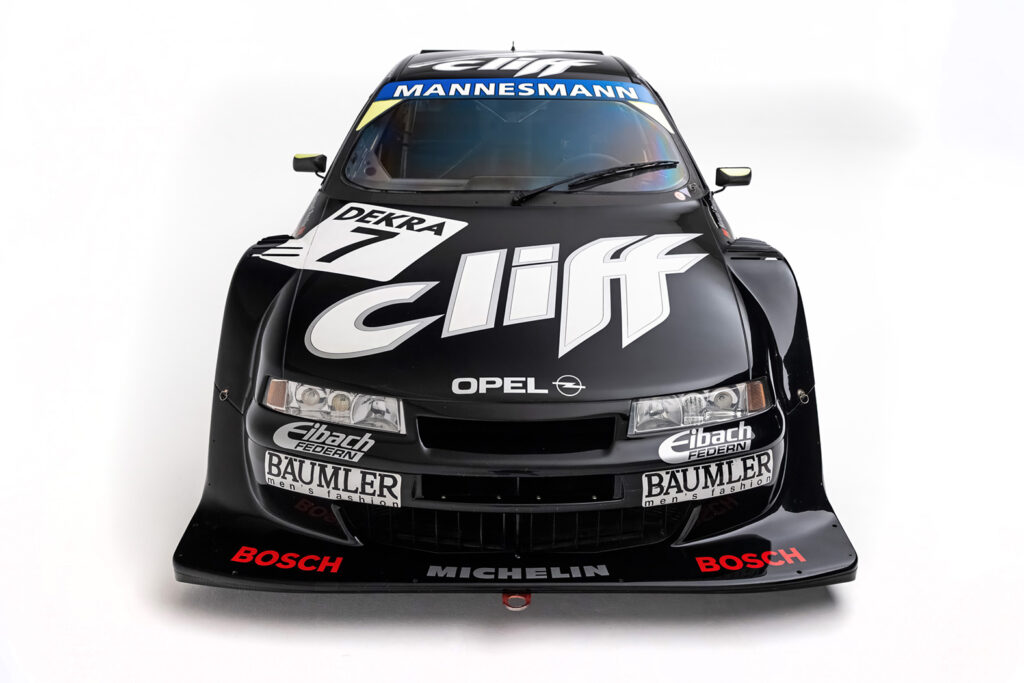
“I couldn’t believe that we had won the last ITC title in history.”
– Manuel Reuter on the decisive moment in São Paulo –
With slicks through the rain
Then the next tricky decision: Because title rival Bernd Schneider in the Mercedes switched to treadless slick tires, Opel followed suit. A daring manoeuvre on a wet track. “At first it was quite dangerous, I had to go through the gravel bed twice,” Reuter recounts. But the track dried up. While Schneider initially struggled with a lack of grip, Reuter worked his way forward position by position with his all-wheel-drive Calibra. Fourth place again. Enough for the title – even before the season finale in Japan.
The triumph was the highlight of a season full of ups and downs. Reuter had taken the championship lead early on, but had fallen back in the meantime after collisions and technical defects. At his home race in Hockenheim, he made an impressive comeback: After his victory, he stopped the Calibra in the middle of the start-finish straight and was celebrated by the fans. The FIA imposed a $10,000 fine for this. Reuter’s comment to this day: “It was worth it to me.”
520 hp and technology at the limit
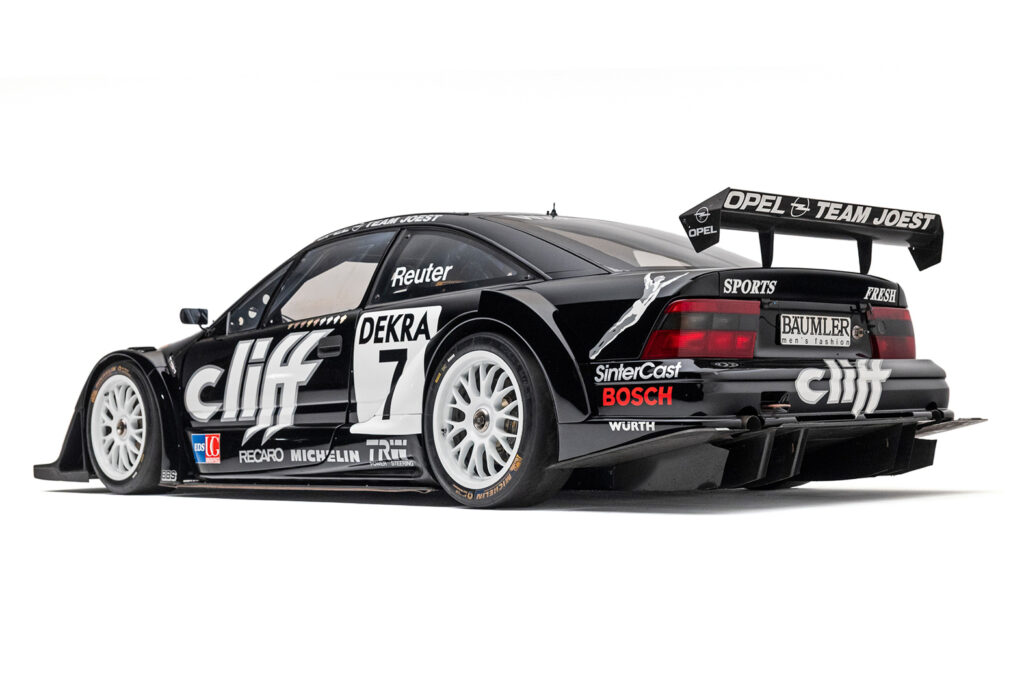
At that time, the ITC was a racing series of extremes. Opel, Alfa Romeo and Mercedes-Benz fought a fierce battle with thoroughbred Class 1 touring cars. The V6 engines produced around 520 hp, electronic differentials, racing ABS and semi-automatic transmissions were part of the equipment. Technically, the cars were far ahead of their time – but also correspondingly vulnerable.
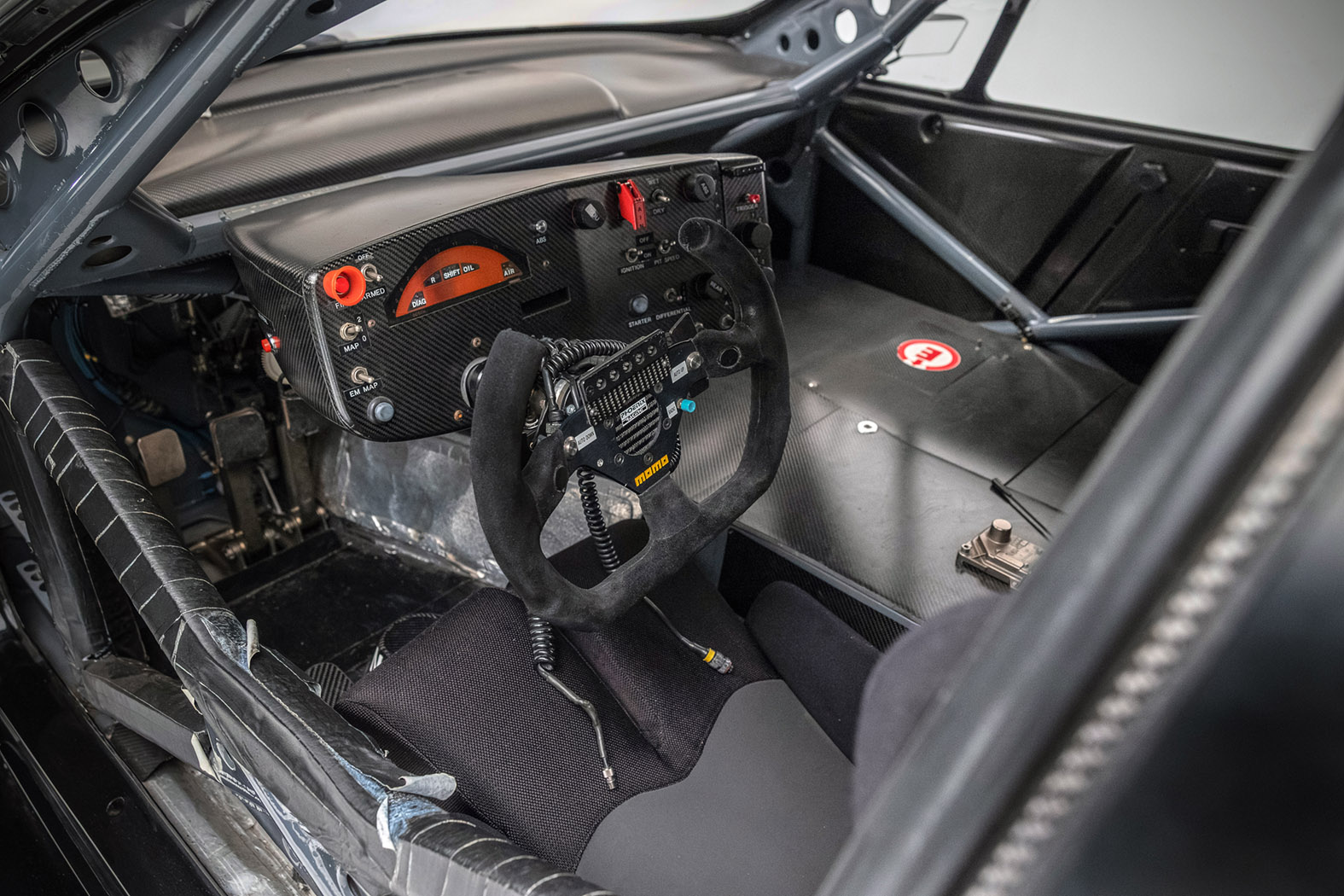
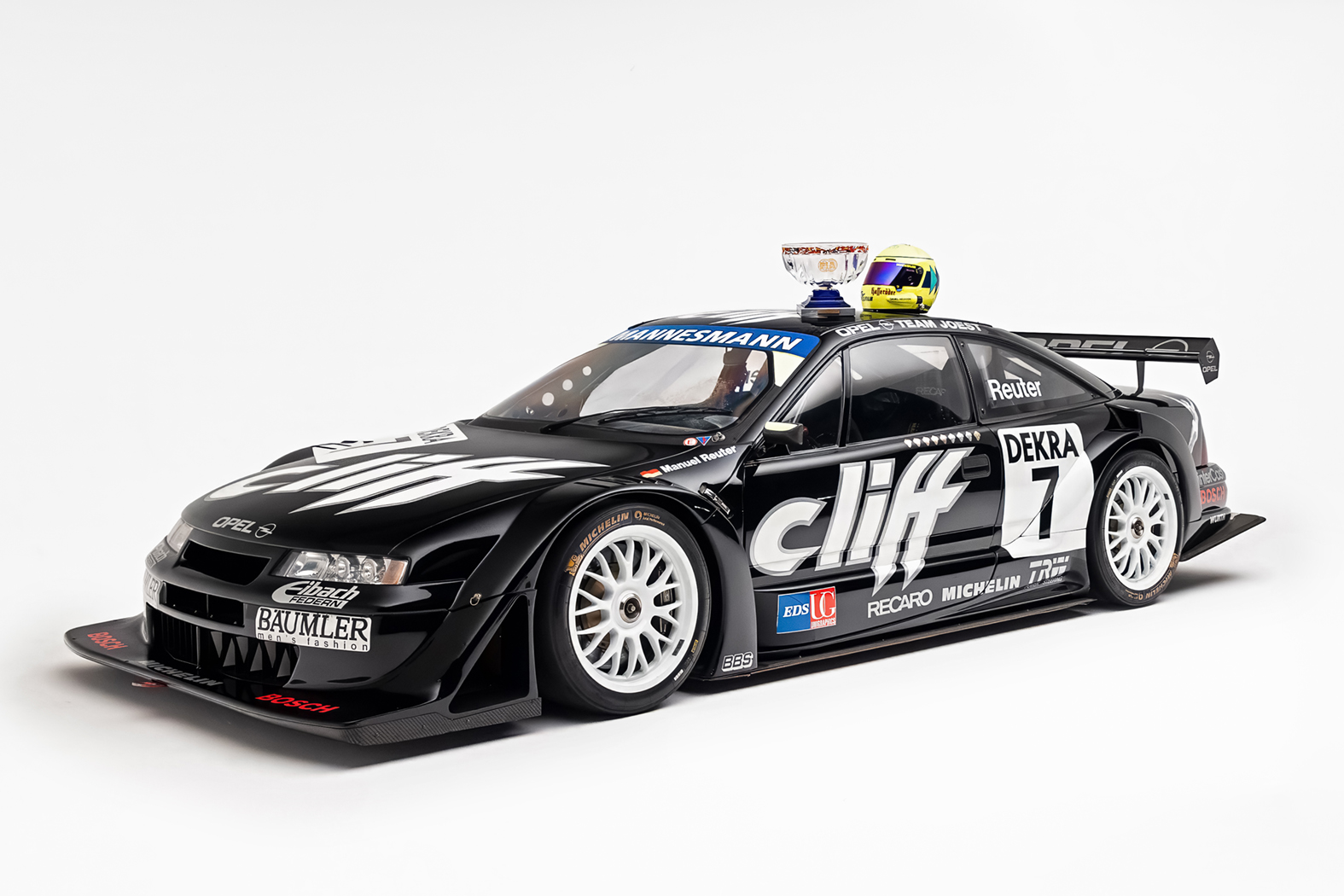
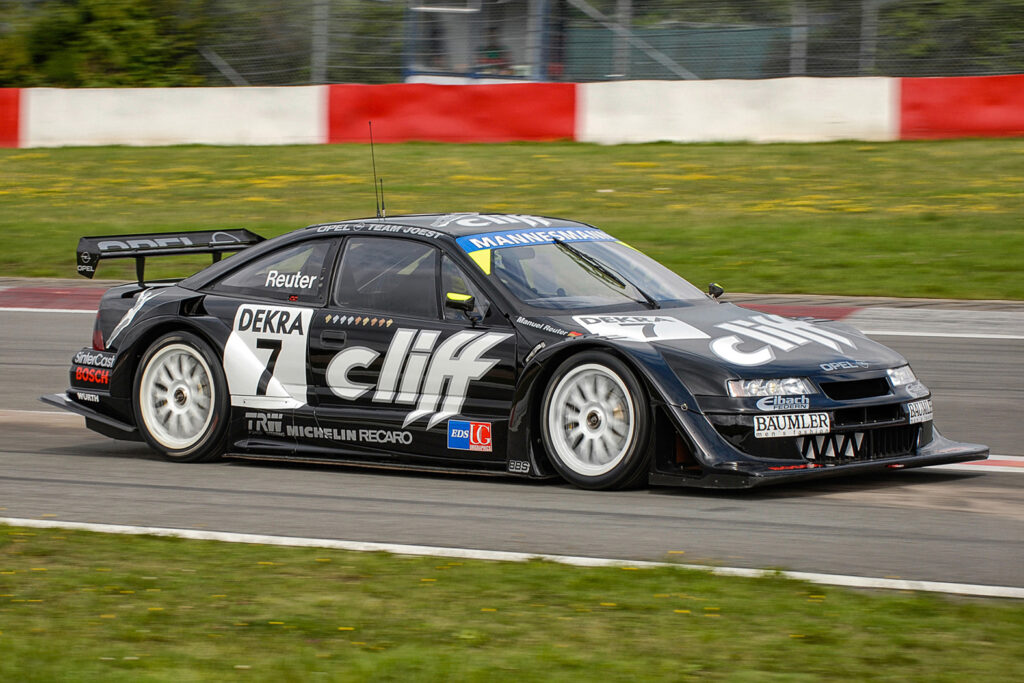
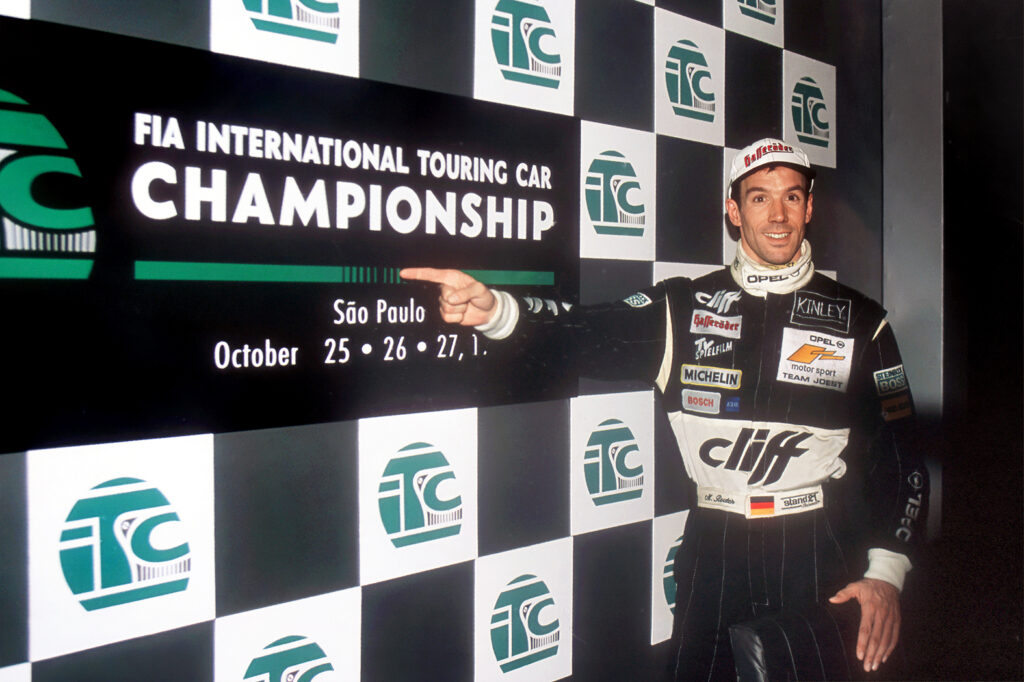
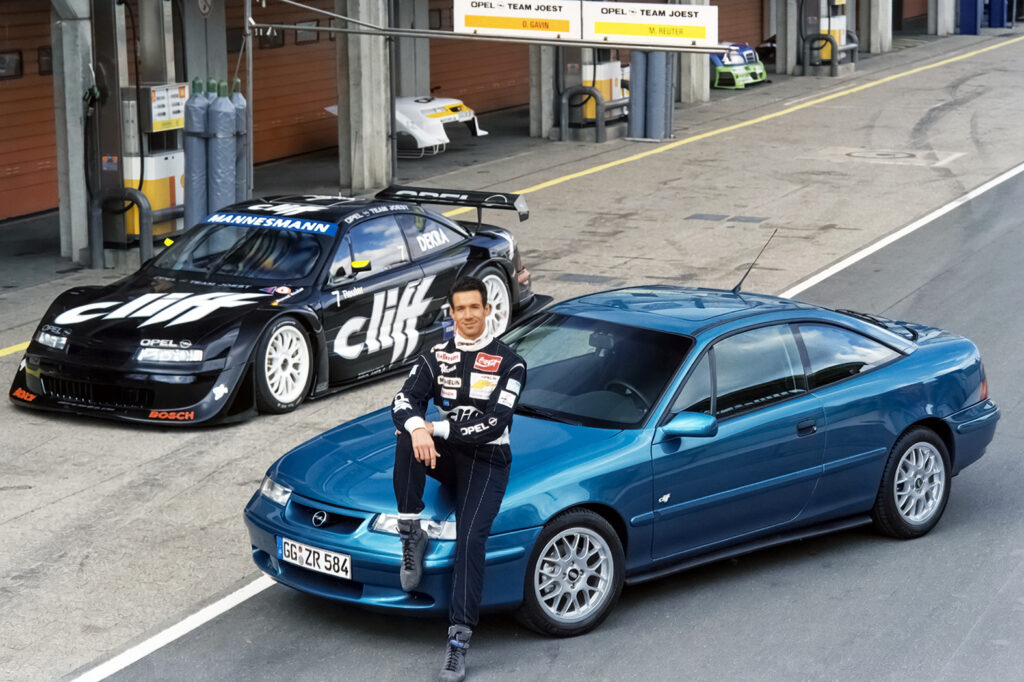
“The Class 1 period was a special era for everyone who experienced it.”
– Manuel Reuter on the ITC era –
Opel had learned from this. After problems with reliability in the previous year, the engineers simplified the technology of the Calibra and developed a more powerful engine for 1996. This paid off. “The good results came with the retrofitting of the Calibra,” Reuter recalls. 26 races on three continents, well-known opponents and a title fight until the penultimate race weekend: Winning the ITC is one of the greatest successes in Opel motorsport history, along with Walter Röhrl’s 1982 World Rally Championship title.
For Reuter, 1996 was doubly extraordinary. In addition to the ITC, he won the 24 Hours of Le Mans for the second time. Three decades later, Reuter looks back on this time with pride and a little melancholy. “The Class 1 era was a special era for everyone who experienced it – both for us drivers and for the technicians and the fans,” says the Mainz-born driver. “And 1996 was really a golden year!”
October 2026